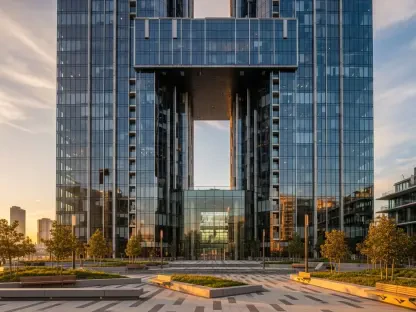

Dubai’s skyline, long celebrated for its architectural ambition and record-breaking structures, is now the stage for a more subtle yet profound revolution that is fundamentally reshaping its identity from a hub of luxury to a beacon of intelligent urbanism. This transformation moves beyond mere aesthetics, embedding smart, sustainable, and occupant-focused technologies into the very fabric of its built environment. It represents a systemic shift where digital innovation is no longer a peripheral amenity but a core component of design, construction, and management. This evolution is not a spontaneous trend but the result of a concerted effort involving visionary developers, proactive government policies, and a discerning consumer base that increasingly values efficiency and connectivity. The city is actively engineering a new generation of real estate assets that function as responsive ecosystems, delivering tangible economic and environmental benefits to investors, tenants, and the wider community, thereby setting a global benchmark for the future of urban living.
The Core Drivers of Transformation
Developer Adoption of Integrated Systems
A pivotal factor in this evolution is the strategic pivot by leading developers away from fragmented, siloed building systems toward fully integrated facility management platforms. This modern approach centralizes control by amalgamating the data streams from a vast network of Internet of Things (IoT) sensors, the analytical power of sophisticated software, and the operational capabilities of traditional Building Management Systems (BMS) into a single, cohesive interface. Such a unified ecosystem provides an unprecedented level of oversight and control, enabling developers to manage their assets with remarkable precision. This integration facilitates advanced functions that were previously impractical, creating a holistic view of building performance that extends beyond a single property. The result is a powerful operational layer that forms the foundation for smarter, more efficient real estate management across entire portfolios, moving the industry from a reactive maintenance model to a proactive, data-informed strategy that maximizes both performance and asset value.
The practical benefits of this integrated approach are transforming the economics of property management in Dubai. One of the most significant applications is portfolio-wide benchmarking, which allows developers to compare the performance of various assets in real-time, swiftly identifying underperforming buildings and diagnosing the root causes of inefficiency. This capability is complemented by the rise of predictive maintenance, a data-driven strategy where algorithms analyze equipment performance data to anticipate potential failures before they occur, drastically minimizing costly downtime and extending the lifespan of critical systems. Furthermore, this technological integration streamlines day-to-day operations by enabling automated vendor workflows and resident-facing applications that ensure consistent service delivery. By creating smarter fit-outs and gaining greater control over operational cost volatility, developers are not only reducing their long-term expenditures (OPEX) but are also enhancing the overall tenant experience, which in turn boosts retention and strengthens the asset’s market position.
The Urban Scale Smart Grid Synergy
The intelligence of an individual building is significantly magnified when it is seamlessly connected to a sophisticated, city-wide utility infrastructure. In Dubai, this synergy is being actively cultivated through the forward-thinking investments of the Dubai Electricity and Water Authority (DEWA), which is rapidly modernizing the urban grid. Key initiatives include the deployment of virtual power plants, which aggregate distributed energy resources, and the widespread installation of intelligent meters. These smart meters are crucial, as they facilitate a continuous, two-way flow of data between individual properties and the central energy-water network. This connectivity empowers consumers with granular insights into their consumption patterns, enabling them to make informed decisions to reduce waste and lower their utility bills. For the grid operator, this data stream allows for highly effective strategies like time-of-use optimization, which incentivizes energy consumption during off-peak hours, thereby smoothing the city’s overall demand curve and enhancing grid stability.
This city-scale integration is further accelerated by robust government initiatives designed to promote decentralized energy generation. Programs such as SHAMS Dubai are providing powerful incentives for the widespread installation of rooftop solar panels and advanced battery storage systems on both residential and commercial properties. By encouraging the growth of these distributed energy resources, the city is building a more resilient and flexible power grid capable of withstanding fluctuations in demand and supply. This is particularly beneficial for complex, large-scale mixed-use developments, which have diverse and demanding energy profiles. The cumulative effect of this smart grid integration is a win-win scenario: occupants benefit from reduced utility costs and more reliable power, while the city as a whole moves closer to its sustainability goals, solidifying its reputation as a leader in intelligent urban infrastructure and resource management.
Designing for People and Policy
A New Standard of Occupant Centric Living
Driven by Dubai’s unique climate and the expectations of its high-end real estate market, there is a strong consensus on the importance of an occupant-centered design philosophy. The goal is to elevate everyday living by infusing it with the standards of luxury hospitality, made possible through advanced technology. Developers are increasingly implementing AI-driven HVAC systems and dynamic smart glazing, which can intelligently adjust a building’s internal environment in response to real-time data inputs such as outdoor temperature, occupancy levels, and even fluctuating energy prices. This automated responsiveness not only ensures optimal occupant comfort at all times but also significantly reduces peak cooling loads, which represent a major portion of energy consumption in the region. This focus on intelligent climate control goes beyond simple convenience; it is a strategic approach to creating more sustainable and cost-effective living spaces that cater to the well-being of residents.
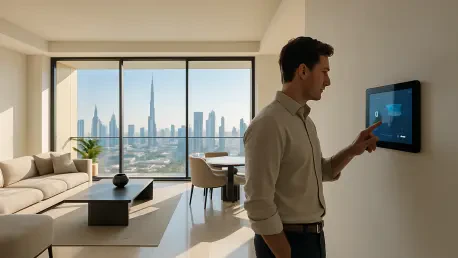
This commitment to an enhanced lifestyle is manifesting in a suite of features that are rapidly becoming standard in premium Dubai properties. The modern resident can now expect advanced air-quality monitoring and filtration systems that ensure a healthy indoor environment, personalized lighting systems controllable via mobile applications, and voice-activated home assistants that manage everything from entertainment to security. This concept of “concierge-grade automation” provides a demonstrably improved quality of life, shifting buyer preferences toward buildings that offer intelligent comfort and convenience. This technological sophistication directly translates into higher property valuations, as discerning buyers are willing to pay a premium for a home that is not just luxurious but also intuitive and responsive to their needs, making occupant-centric technology a powerful differentiator in a competitive market.
Top Down Momentum from Government Mandates
A crucial catalyst for Dubai’s city-wide smart transformation is the robust and consistent regulatory momentum provided by the government. Decisive policymaking has been instrumental in setting a clear direction for the real estate sector. Comprehensive frameworks like the Green Building Regulations and the Al Sa’fat rating system have established unambiguous standards for classifying developments based on a wide range of measurable criteria. These criteria include energy efficiency, water conservation, responsible resource utilization, and the performance of building materials, creating a transparent and accountable system for sustainable development. This regulatory landscape ensures that all new projects adhere to a high baseline of environmental and performance standards, effectively embedding sustainability into the city’s growth model and pushing developers to innovate in order to comply and excel.
This top-down approach is further reinforced by the ambitious Dubai 2040 Urban Vision, a long-term strategic plan that firmly embeds smart infrastructure and resource-efficient design into the very fabric of future urban planning. This vision incentivizes, and in many cases mandates, that developers think beyond the confines of individual towers and instead focus on creating large-scale, master-planned neighborhoods with smart technology integrated from the initial design phase. This focus is particularly evident in new landmark communities like Dubai Silicon Oasis and Expo City Dubai, where technology is not an afterthought but a core component. Here, building designs pair high-performance facades with architectural elements like shaded walls and integrate them with optimized HVAC systems. Embedded sensors continuously feed data to fault detection algorithms and digital twin systems, ensuring peak efficiency and delivering both lower carbon emissions and enhanced value per square foot for buyers.
The Bottom Line Investment and Market Value
The widespread integration of smart building technology ultimately transcended its status as a mere amenity and became a critical competitive differentiator that directly impacted property values and investment returns. Market analysis from that period showed a clear shift in buyer and tenant expectations, with a growing preference for intelligent, connected, and future-ready properties over those relying solely on traditional markers of luxury like prime locations or high-end finishes. For investors, the benefits were quantifiable and compelling. The operational savings generated from superior energy efficiency and data-driven predictive maintenance, combined with the higher tenant retention rates seen in smarter buildings, magnified net operating income. This financial uplift led to a direct and measurable increase in overall property valuations, making smart real estate a demonstrably more profitable asset class. The target demographic of high-net-worth individuals and tech-savvy expatriates increasingly prioritized building intelligence as a key criterion in their property selection process, solidifying the market demand for these advanced developments and proving that a building’s IQ was as important as its address.