
Imagine a building material that can withstand blazing fires, shrug off moisture and mold, and still leave a minimal footprint on the environment—sounds almost too good to be true, doesn’t it? Yet, Magnesium Oxide (MgO) boards are doing exactly that, reshaping the construction industry with their remarkable properties. As the global demand for safer, sustainable, and durable materials surges, MgO boards have emerged as a standout solution, capturing the attention of builders and policymakers alike. Their market, valued at USD 1.64 billion in 2023, is on track to reach USD 2.62 billion by 2032, growing at a steady 5.35% annually. This isn’t just a trend; it’s a shift toward a smarter way of building. What sets these boards apart is their ability to tackle modern construction challenges head-on, from stringent safety regulations to the urgent need for eco-friendly practices. Let’s dive into how this innovative material is changing the game across residential, commercial, and industrial projects worldwide.
Unveiling the Strengths of MgO Boards
Unmatched Performance in Safety and Durability
MgO boards are earning their reputation as a top-tier choice in construction due to their extraordinary resistance to fire and long-lasting durability. Unlike traditional materials like gypsum, which can falter under heat, these boards hold up against extreme temperatures without releasing toxic fumes—a lifesaver in emergencies. This makes them a go-to option for high-risk structures, from towering office buildings to cozy family homes, where protecting occupants is non-negotiable. Beyond fire safety, their resilience against moisture and mold adds another layer of appeal. In humid climates or areas prone to water damage, MgO boards prevent the decay that often plagues other materials, cutting down on repair costs. Their robust nature ensures that once installed, they stand the test of time, offering peace of mind to builders and property owners who prioritize reliability in every project they undertake.
Moreover, the versatility of MgO boards in application amplifies their value. Whether used for wall partitions, ceilings, or even flooring, they adapt seamlessly to various structural needs without compromising on strength. This adaptability isn’t just about function; it’s about efficiency too. Builders find that these boards reduce the need for frequent replacements, saving both time and money over the long haul. In a world where construction timelines are tighter than ever, having a material that performs consistently under pressure is a game-changer. Additionally, their durability translates to fewer resources wasted on maintenance, aligning with broader goals of sustainable building practices. It’s clear that MgO boards aren’t just solving immediate safety concerns—they’re setting a new standard for what construction materials can and should achieve in terms of endurance and dependability.
Sustainability as a Key Selling Point
Sustainability isn’t a buzzword anymore; it’s a mandate, and MgO boards are leading the charge in eco-friendly construction. Their production process emits significantly less carbon compared to conventional materials, making them a darling of green building standards. On top of that, these boards are recyclable and free from harmful chemicals, ensuring they don’t contribute to environmental degradation at the end of their lifecycle. In regions like Europe and North America, where policies on carbon reduction are strict, MgO boards are increasingly favored by architects and developers striving to meet regulatory benchmarks. Government incentives and certifications further boost their adoption, proving that building responsibly doesn’t mean sacrificing quality or performance. This alignment with environmental goals is reshaping how the industry views construction materials.
In addition, the sustainable edge of MgO boards offers a ripple effect of benefits that go beyond mere compliance. Builders using these boards often find their projects earning higher ratings in green certifications, which can enhance property value and attract eco-conscious investors. This isn’t just about meeting today’s standards; it’s about future-proofing buildings as environmental regulations tighten globally. The absence of toxic additives also means safer indoor air quality, a growing concern for homeowners and businesses alike. As climate change pushes the construction sector to rethink its impact, MgO boards stand out as a practical yet progressive solution. They demonstrate that it’s possible to build structures that are both sturdy and kind to the planet, paving the way for a new era where sustainability and strength go hand in hand without compromise.
Forces Driving the MgO Board Surge
Urbanization and Construction Boom
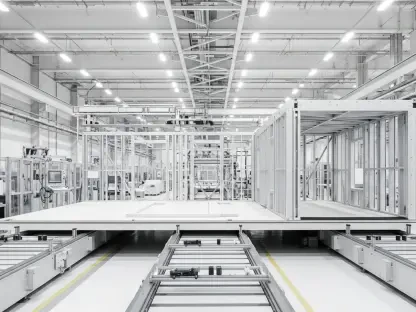
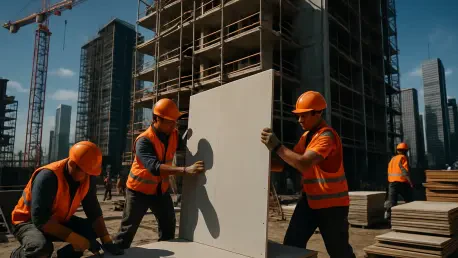
The relentless pace of urbanization, especially in fast-growing regions like Asia-Pacific, is a powerful engine behind the rising demand for MgO boards. With cities expanding and populations soaring in countries such as China and India, the need for robust, efficient building materials has never been greater. Massive infrastructure projects, from towering skyscrapers to sprawling residential complexes, are popping up at an unprecedented rate, creating a hunger for solutions that speed up construction without cutting corners. MgO boards fit the bill perfectly, particularly in modular and prefabricated systems where their uniform quality and quick installation save valuable time. In an industry grappling with labor shortages and tight budgets, this ability to streamline building processes while maintaining high standards is nothing short of revolutionary.
Furthermore, the appeal of MgO boards in these booming regions extends beyond just speed. Their durability ensures that structures built today can withstand the wear and tear of rapidly urbanizing environments, where buildings face constant stress from heavy use and harsh conditions. This is especially critical in areas experiencing rapid growth, where the pressure to deliver housing and infrastructure often leads to compromises on quality. MgO boards counter this by offering a reliable alternative that doesn’t sacrifice safety or longevity for expediency. As emerging economies continue to build their urban landscapes, the reliance on innovative materials like these boards is likely to grow, reflecting a broader shift toward smarter construction practices that prioritize both efficiency and resilience in the face of relentless development demands.
Regulatory Push for Safety and Eco-Standards
Across the globe, governments are tightening the screws on building regulations, and this is significantly boosting the adoption of MgO boards. Fire safety codes, in particular, have become far stricter in response to rising incidents of building-related disasters, making the inherent fire resistance of these boards a critical asset. Unlike other materials that can fuel fires or emit dangerous gases, MgO boards provide a safeguard that aligns with the most rigorous standards, ensuring safer environments in everything from schools to shopping centers. This regulatory focus on occupant protection is especially pronounced in developed markets like North America, where compliance isn’t just encouraged—it’s mandated. The result is a growing preference for materials that can reliably meet these life-saving requirements.
Simultaneously, environmental regulations are playing an equally important role in pushing MgO boards to the forefront. With policies aimed at slashing carbon emissions gaining traction, especially in Europe, the construction industry is under pressure to adopt materials with a smaller ecological footprint. MgO boards, with their low-impact production and recyclability, are a natural fit for these green mandates. They enable builders to tick the boxes of sustainability certifications while still delivering on performance, a balance that’s hard to strike with traditional options. This dual regulatory drive—safety on one hand, eco-consciousness on the other—creates a powerful momentum for MgO boards. As policies evolve to address both human and environmental well-being, expect these boards to become an even more integral part of building codes worldwide.
Global Reach and Future Horizons
Asia-Pacific’s Dominance in Volume and Scale
When it comes to sheer volume, Asia-Pacific stands unrivaled in the MgO board market, commanding over 35% of the global share as of recent data. This dominance stems from the region’s explosive construction activity, fueled by rapid urbanization and population growth in powerhouses like China and India. China, in particular, shines as both a leading producer and consumer, thanks to abundant raw materials and a relentless slate of infrastructure projects. From high-speed rail networks to sprawling urban housing, the demand for durable, efficient materials like MgO boards is insatiable. Their ability to support fast-paced building, especially in prefabricated setups, matches the region’s need to construct at scale and speed, cementing their role as a cornerstone of Asia-Pacific’s construction landscape.
Beyond the numbers, the cultural and economic context of Asia-Pacific adds depth to this trend. In many of these countries, the push for modernization often clashes with resource constraints, making cost-effective yet reliable materials like MgO boards a practical choice. Their resilience against the region’s often harsh climates—think monsoon rains and high humidity—further boosts their appeal, ensuring structures remain sound despite environmental challenges. This isn’t just about meeting immediate needs; it’s about building cities that can sustain future growth. As governments in the region continue to invest heavily in infrastructure to support expanding populations, MgO boards are poised to remain a key player, driving innovation in how urban spaces are shaped and sustained over the coming years.
Growth in North America and Europe Through Compliance
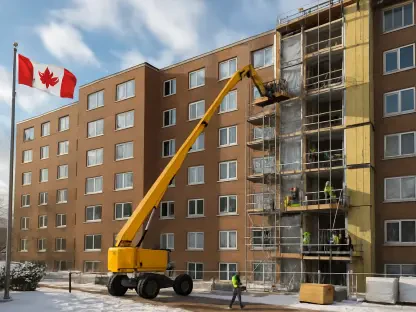
While Asia-Pacific leads in volume, North America and Europe are carving out significant growth for MgO boards through a focus on compliance and quality. In North America, stringent fire safety regulations are a major catalyst, especially in areas vulnerable to extreme weather where moisture resistance is also a priority. Buildings here face everything from hurricanes to heavy snowfall, and MgO boards offer a shield against water damage and mold that traditional materials often can’t match. This durability, paired with their fireproof nature, makes them a trusted choice for complying with tough building codes, particularly in commercial and institutional projects where safety standards are uncompromising. The result is a steady rise in their adoption across diverse construction scenarios.
Meanwhile, Europe’s growth story is deeply tied to sustainability. With ambitious carbon reduction targets and a strong emphasis on renovation over new builds, the region is turning to eco-friendly materials to revamp aging infrastructure. MgO boards, with their low environmental impact and alignment with green certifications, are increasingly seen in projects aimed at cutting energy use and emissions. This isn’t merely about meeting regulations; it’s about leading a movement toward sustainable living spaces that prioritize the planet. The focus on retrofitting older buildings with modern, responsible materials highlights how Europe is leveraging MgO boards to balance heritage preservation with future-ready standards. Together, these regions show how regulatory frameworks can drive innovation, pushing MgO boards into the spotlight for reasons beyond mere practicality.
Shaping Tomorrow’s Construction Landscape
Technological Advances Enhancing Accessibility
Looking ahead, the trajectory of MgO boards is bright, largely thanks to cutting-edge innovations in their production and design. Manufacturers are rolling out lighter, stronger variants that don’t just maintain but enhance thermal insulation—a boon for energy efficiency in buildings. These advancements are also slashing production costs, making MgO boards more accessible to a broader range of builders, from small-scale contractors to major developers. Imagine a material that’s easier to handle on-site, yet delivers even better performance; that’s the promise of these new formulations. Such progress is opening doors to applications beyond traditional uses, like industrial insulation and specialized fireproofing, ensuring that MgO boards remain relevant as construction needs evolve.
Additionally, the push for innovation isn’t happening in isolation—it’s a response to market demands for affordability and versatility. New coatings and compositions are being developed to further improve installation ease, reducing labor time and costs on projects with tight deadlines. This is particularly impactful in regions where skilled labor is scarce, allowing for faster project turnovers without sacrificing quality. The ripple effect of these technological strides is significant, lowering the entry barrier for adopting MgO boards in both emerging and established markets. As these improvements continue to roll out, they’re likely to redefine industry expectations, positioning MgO boards not just as an alternative, but as the default choice for forward-thinking construction that values efficiency and innovation in equal measure.
Charting the Path Forward with MgO Boards
Reflecting on the journey, MgO boards carved a niche by addressing pressing needs for safety and sustainability in a way few materials could match. Their rise mirrored a global awakening to the importance of fire-resistant, eco-friendly construction solutions that didn’t compromise on durability. Markets across Asia-Pacific, North America, and Europe each embraced these boards for unique reasons—be it sheer volume, regulatory compliance, or green initiatives—showcasing their adaptability. The steady climb in market value over recent years spoke to an industry ready for change, one that valued performance as much as responsibility.
Moving into the future, the next steps for stakeholders involve doubling down on innovation and education. Manufacturers should prioritize scaling up production of cost-effective, high-performance variants to meet growing demand, while builders can benefit from training programs on maximizing MgO board applications. Policymakers, meanwhile, might consider incentives that further encourage adoption, especially in under-served markets. Collaborative efforts to integrate these boards into modular construction trends could unlock new efficiencies. Ultimately, the focus should be on building awareness of how MgO boards can shape safer, greener structures, ensuring they remain a pivotal tool in crafting the resilient, sustainable cities of tomorrow.