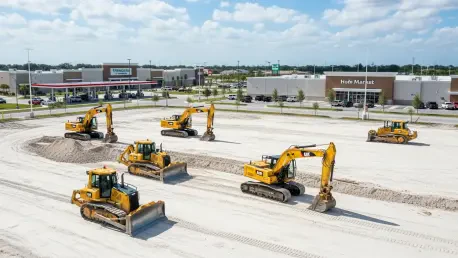

The steady rhythm of heavy machinery now echoes across the 9.26-acre lot at SE Hwy. 42 and SE 91st Phillips Court, signaling a major shift for residents near Mulberry Grove Plaza. This forty-seven-thousand-square-foot grocery hub is no longer just a conceptual drawing; it has officially transitioned into a massive construction site. As bulldozers clear the earth, the project promises to shorten the daily commute for local shoppers while testing the limits of the surrounding infrastructure.
This development serves as a pivotal piece in the ongoing retail evolution of the world’s largest retirement community. The new Walmart Neighborhood Market arrives at a time when residents are increasingly seeking convenience over the sprawling treks required by traditional supercenters. By focusing on essentials and rapid service, the facility addresses the immediate needs of an aging population that values proximity and efficiency above all else.
The Strategic Expansion of Walmart’s Footprint in Central Florida
The Villages is currently witnessing a period of rapid commercial densification that mirrors its record-breaking residential growth. This new market is not an isolated project but rather part of a sophisticated regional strategy. It follows the successful launch of the “store of the future” at State Road 44 and the nearing completion of another market in Hammock Oaks, reinforcing the brand’s dominance in the local landscape.
As the population continues to swell, the demand for modern shopping amenities and diverse fueling options has reached a critical tipping point. This growth is forcing a transformation of previously quiet corridors into high-traffic retail zones. Consequently, what were once rural stretches are being repurposed to accommodate the logistics and supply chain needs of a global retail giant.
Project Specifications and Regional Retail Trends
The 47,982-square-foot facility is specifically designed to offer a streamlined shopping experience, focusing heavily on groceries and pharmacy services. A significant feature of the site plan is the inclusion of a 20-pump fueling station situated along SE 165th Mulberry Lane. This addition is intended to capture traffic from the busy highway intersection, providing a one-stop solution for commuters and residents alike.
These “Neighborhood Market” formats are becoming the industry standard for suburban infill projects. They provide the logistical power of a massive corporation within the footprint of a traditional supermarket, a move that aligns perfectly with the shopping habits of the local demographic. By prioritizing high-turnover goods, the store aims to reduce the time customers spend navigating aisles while maintaining a robust inventory.
Local Governance and the Debate Over Roadway Durability
The commencement of construction has reignited a heated debate between developers and the Community Development District 4 supervisors. At the heart of the conflict is the planned use of SE 91st Phillips Court as a primary access point for heavy delivery trucks. District officials have expressed formal concerns that a road originally engineered for light residential use may quickly deteriorate under the weight of constant commercial logistics.
This friction highlights a recurring theme in Florida’s rapid development: the struggle to maintain a “hometown” feel while accommodating heavy-duty infrastructure. If the roadway fails to sustain the increased volume, the cost of repairs could fall upon the community rather than the developer. This tension underscores the complexities of balancing corporate expansion with the preservation of existing neighborhood standards and long-term fiscal responsibility.
Navigating the Changing Landscape of The Villages
For residents living in the Marion County section of the community, the arrival of this market necessitated a new strategy for daily travel and shopping. While the facility provided a massive upgrade in convenience for those near Mulberry Grove, it also required a heightened awareness of shifting traffic patterns along Hwy. 42. Planning for these changes early helped neighbors avoid the frustration of unexpected delays during the heavy construction phase.
Looking forward, homeowners should monitor the final paving schedules and signal installations to ensure a smooth transition once the doors open. Engaging with district meetings offered a way to advocate for enhanced road reinforcements before the grand opening. This proactive approach allowed the community to embrace modern amenities while ensuring that the infrastructure remained resilient enough to support the area’s inevitable future growth.