
The planned development of the United Kingdom’s longest indoor snow center is poised to fundamentally reshape the landscape of large-scale leisure construction, serving as a transformative benchmark far beyond the scope of a typical recreational facility. This ambitious project, set to become the centerpiece of a major resort in Wales, offers a compelling case study into the evolving complexities, high-stakes ambitions, and rigorous requirements of modern capital-intensive developments. It represents not just a significant investment but a strategic response to a market increasingly demanding all-weather, year-round destinations. In an economic environment shaped by recent global shifts and a heightened consciousness around climate impact, this mega-project signals renewed investor confidence and provides a detailed blueprint for the next generation of destination infrastructure. Its analysis reveals critical insights into the technical, logistical, and economic forces driving the future of entertainment and leisure construction across Europe.
The New Frontier of Leisure Construction
A Quantum Leap in Scale and Ambition
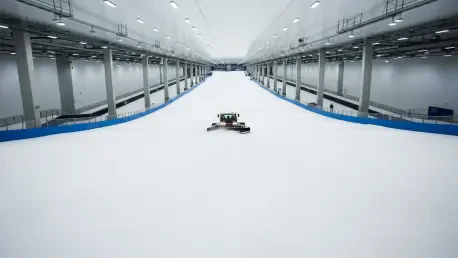
With its main snow slope projected to extend beyond 400 meters, this facility will dramatically reset the standard for indoor leisure in the UK, more than doubling the length of any existing indoor ski venue in the country. This unprecedented scale introduces profound structural engineering challenges that push the boundaries of conventional construction. To create an uninterrupted, immersive Alpine experience, the design necessitates an enormous, column-free interior volume. Achieving such a vast open space requires the implementation of advanced “long-span construction” techniques, a methodology more commonly associated with airport terminals, massive distribution hubs, or aircraft hangars than with sports facilities. The engineering complexity is immense, as the structure must not only support its own considerable weight but also handle the significant load of snow, climate control equipment, and the vast roof spanning the entire slope. This represents a paradigm shift in how leisure facilities are conceptualized, moving them firmly into the category of mega-projects that demand a multidisciplinary approach and a deep understanding of large-scale structural dynamics.
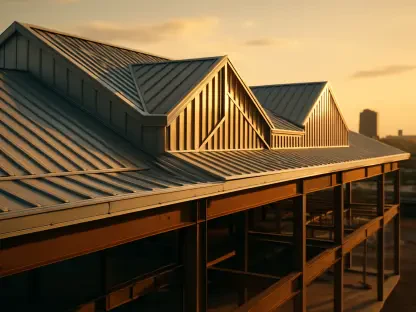
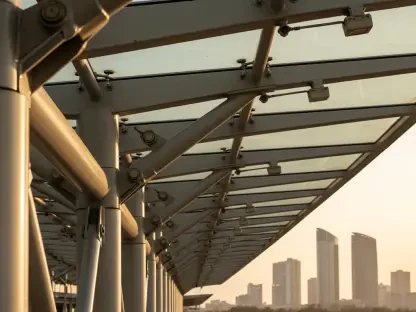
The execution of this vision depends entirely on the sophisticated application of robust, high-performance materials engineered to meet extreme demands. The skeletal framework will require an immense quantity of heavy-duty structural steel, fabricated and erected with meticulous precision to form the building’s primary support system. Intricate and massive truss systems will be essential to bridge the vast interior expanse, supporting the roof structure without the need for internal columns that would otherwise obstruct the ski slope. Furthermore, the building envelope will be formed from high-performance composite cladding and insulated panels. These components are critical not only for maintaining the building’s structural integrity against wind and weather but also for achieving the extreme levels of thermal insulation and airtightness required for overall energy efficiency. The selection and integration of these materials are paramount, as they collectively ensure the long-term stability, safety, and operational viability of a facility that redefines the very definition of a leisure building.
Engineering an Alpine Microclimate
At the very core of this project’s immense complexity is the engineering feat required to create and perpetually maintain a stable, sub-zero Alpine environment within a colossal enclosed structure, year-round. This task is exponentially more demanding than that for smaller cold-environment facilities, such as ice rinks. It necessitates the precise and uniform control of temperature along the entire 400-meter-plus slope, ensuring consistent conditions from the summit to the base. Simultaneously, humidity levels must be meticulously managed to prevent unwanted condensation, fogging, and the formation of ice on interior surfaces, which could compromise both the user experience and the building’s structural integrity. The quality of the snow itself must be carefully maintained through sophisticated snowmaking and grooming processes, all of which depend on the stability of the internal climate. This places extreme demands on the building’s integrated design, requiring a seamless synergy between the architectural envelope and the mechanical, electrical, and plumbing (MEP) systems that function as the facility’s lifeblood.
Achieving this controlled microclimate hinges on the flawless integration of several critical, high-performance systems built directly into the fabric of the structure. The walls and roof must be constructed with superior-grade insulated panels, providing an exceptionally high thermal resistance to minimize energy transfer from the outside environment and reduce the immense load on the refrigeration plant. An absolutely essential component is an advanced, meticulously installed vapor control layer, which forms an unbroken barrier to prevent moisture from the warmer exterior from penetrating the building’s envelope and freezing within the insulation or structural cavities. Below the snow, the concrete floor systems must be heavy-duty and specifically engineered to withstand the relentless stress of continuous freeze-thaw cycles without cracking or degradation. Finally, a sophisticated drainage network must be integrated beneath the snow surface to effectively manage meltwater during snow maintenance and regeneration cycles. Precision during every phase of construction is non-negotiable, as even minor flaws or gaps in these systems could lead to catastrophic failures, runaway energy consumption, and crippling long-term operational costs.
The Blueprint for Future Mega Projects
Rethinking Construction Logistics and Sustainability
From a logistical perspective, the construction of the snow center is comparable to a major piece of national infrastructure, demanding an exceptionally high level of planning and supply chain management. The sheer volume of materials required is staggering and necessitates a sophisticated approach to procurement, storage, and on-site handling. This includes enormous quantities of concrete for the deep foundations, extensive retaining walls, and massive internal floor slabs, alongside a substantial demand for structural steel to create the long-span framework. The project’s scale presents significant opportunities for specialized suppliers and contractors, including operators of mobile or modular on-site concrete batching plants that can guarantee a consistent supply. It also creates a high demand for precast concrete manufacturers, who can provide quality-controlled structural components for rapid assembly, and for structural steel fabricators with proven experience in delivering large-scale industrial or complex leisure buildings. The entire supply chain must be orchestrated with precision to ensure materials arrive in the correct sequence and on schedule to support the project’s aggressive timeline.
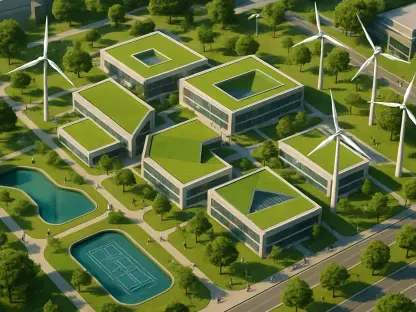
The phasing of the construction process is exceptionally critical, with a specific sequence of operations that leaves no room for error. The main snow hall’s building envelope—comprising the walls, roof, and all associated seals and barriers—must be fully completed, sealed, and tested to an exacting standard of airtightness before the powerful refrigeration and climate control systems can be commissioned. Any delays in achieving this milestone or any failures in the integrity of the envelope would have severe and costly cascading effects on the entire project timeline, pushing back the installation and testing of the core MEP systems. Sustainability is also a central logistical and design concern. Strategies such as advanced heat recovery systems, which capture waste heat from the refrigeration plant to warm other areas of the resort, must be designed and integrated from the outset. This requires close collaboration between structural engineers and MEP specialists to ensure that high-efficiency plant rooms and an extensive network of ductwork are incorporated seamlessly into the building’s primary structure, reflecting a holistic approach where sustainability is a foundational pillar of the construction plan.
A New Paradigm for Investment and Development
Beyond its significant technical and engineering merits, the approval and advancement of this project serve as a powerful indicator of renewed investor confidence in the mega leisure sector. It highlights a decisive strategic pivot by developers and financiers towards backing large-scale, indoor destination attractions that are fundamentally insulated from the unpredictability of weather patterns and the constraints of seasonal tourism. Such facilities offer a highly attractive investment proposition by providing predictable, year-round revenue streams, thereby ensuring a more stable and reliable return over the long term compared to their outdoor counterparts. For the construction market, this emerging trend is profoundly significant. It creates long-term, high-value pipelines for specialist contractors and engineering firms, particularly those with deep expertise in complex MEP, HVAC, and industrial-scale refrigeration systems. Furthermore, it actively spurs innovation in the development of advanced building materials, energy-efficient systems, and sustainable construction methodologies, pushing the industry forward to meet the unique demands of these complex structures.
This landmark snow center project ultimately established a new paradigm, effectively blurring the traditional lines that once separated commercial, industrial, and leisure construction. It created a new class of hybrid development that demanded and rewarded firms with broad, cross-sector experience capable of integrating complex structural engineering with sophisticated environmental systems and high-end guest experiences. As a pioneering development, it served as an invaluable live case study that helped establish a new set of best practices for the design, management, and delivery of the next wave of indoor destination attractions. Its successful execution provided a clear and compelling blueprint, demonstrating how to navigate the intricate challenges of scale, sustainability, and market demand. The project’s legacy was one of innovation, setting a new benchmark for mega-leisure infrastructure and shaping the strategic direction for similar ambitious developments across Europe and beyond.