
The rapid evolution of Canada’s urban landscapes has reached a critical juncture where the traditional metrics of architectural success, such as sheer density and maximized square footage, are being replaced by a holistic focus on human health. As residents in major metropolitan areas grapple with the psychological toll of high-speed city living and a persistent housing shortage, the development industry is pivoting toward a paradigm where the built environment serves as a preventative health intervention. This shift is characterized by the widespread adoption of biophilic design principles, which move beyond aesthetic greenery to integrate natural systems into the structural core of residential projects. By acknowledging that modern dwellings must actively facilitate physiological and psychological restoration, Canadian developers are setting a new global standard for how urban spaces can mitigate stress and enhance the overall longevity of their inhabitants.
The Philosophy of Health-Conscious Architecture
Prioritizing Psychological Well-being through Design
The foundational logic of modern Canadian architecture is increasingly rooted in the biophilia hypothesis, which asserts that humans possess an inherent biological need for connection with natural systems. In the context of the current real estate market, this transition manifests as the purposeful integration of organic textures, expansive views of the horizon, and the strategic use of natural light to combat the sensory deprivation often found in older concrete structures. Designers are now moving away from synthetic finishes in favor of cross-laminated timber, stone, and copper, materials that have been shown to lower heart rates and cortisol levels in residents. This approach is not merely a stylistic choice but a response to the growing body of evidence suggesting that a home’s physical composition directly dictates the occupant’s emotional resilience and daily cognitive performance.
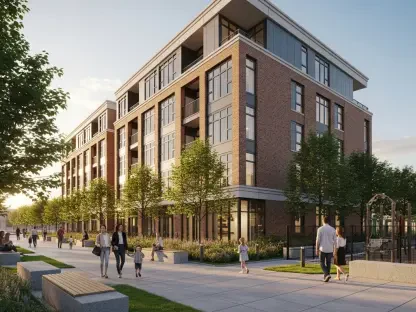
The impact of these nature-centric design choices is particularly evident in high-density regions such as Toronto’s Waterfront and Vancouver’s West End, where living spaces act as vital buffers against urban stressors. By incorporating internal glass-walled atriums filled with local flora and water features that provide acoustic masking against traffic noise, developers are creating environments that naturally improve sleep hygiene and reduce symptoms of chronic anxiety. These buildings function as living laboratories for environmental psychology, utilizing spatial layouts that encourage movement and visual breaks to prevent the mental fatigue associated with digital work and cramped quarters. The focus has moved from providing a place to sleep to creating a sanctuary that supports the complex neurobiology of the modern urbanite, ensuring that the home is a tool for mental recovery.
The Integration of Natural Light and Air Quality
A critical component of this architectural philosophy involves the sophisticated management of a building’s internal atmosphere and its relationship with the external environment. Architects are now prioritizing deep-plan penetration of sunlight through the use of high-performance glazing and reflective interior surfaces, which helps regulate the circadian rhythms of residents who spend the majority of their time indoors. This focus on light is complemented by a rigorous approach to indoor air quality, utilizing materials that are entirely free of volatile organic compounds and other common respiratory irritants. By treating the air and light within a building as fundamental health assets, developers are able to offer a living experience that mimics the refreshing qualities of the outdoors, even within the heart of a densely populated city.
Furthermore, the layout of these wellness-oriented buildings often features “ventilated corridors” and staggered balconies that facilitate natural cross-ventilation, reducing the reliance on recycled mechanical air. This mechanical transparency allows for a constant exchange between the interior and exterior worlds, preventing the “sick building syndrome” that plagued many 20th-century developments. When residents are exposed to consistently fresh air and natural light cycles, they report higher energy levels and a greater sense of connection to their surroundings. This holistic integration of environmental elements ensures that every square foot of the property is working to optimize the health of its occupants, rather than just serving as a passive enclosure against the elements or a simple financial asset for investors.
Market Trends and Building Performance
Establishing Wellness as a Core Requirement
The current state of the Canadian real estate market reflects a permanent shift in consumer expectations, where health-centric features have transitioned from luxury add-ons to non-negotiable requirements for new buyers. The experience of the past few years has fundamentally altered the public’s perception of what constitutes a safe and functional home, leading to a surge in demand for properties that offer advanced filtration and private outdoor access. Developers who recognized this trend early are seeing significantly higher absorption rates and greater long-term value retention compared to those who continue to build traditional, commodity-style units. In this competitive landscape, “human flourishing” has become a key performance indicator, with projects being evaluated based on their ability to improve the quality of life rather than just their proximity to the downtown core.
To sustain this performance, the industry is embedding wellness features into the fundamental infrastructure, or the “bones,” of residential towers. This means that advanced HEPA filtration, ultraviolet germicidal irradiation systems, and energy recovery ventilators are now standard components of the building’s mechanical systems. These technologies work silently in the background to ensure that the environment remains optimized for health regardless of outdoor pollution levels or seasonal changes. By treating these systems as critical infrastructure, the industry is ensuring that wellness is not a superficial layer but a deep-seated commitment to resident longevity. This structural focus provides a level of security and peace of mind that has become the primary driver for both domestic homeowners and international institutional investors.
Economic Viability and Resident Retention
The financial logic supporting wellness real estate is becoming increasingly robust as data from the current year shows a direct correlation between health-oriented design and lower turnover rates in rental properties. Tenants who feel physically better in their living spaces are more likely to renew their leases, which significantly reduces the administrative and marketing costs associated with resident churn. Moreover, the integration of green roofs and high-efficiency building envelopes reduces operational expenses over time by stabilizing interior temperatures and lowering energy consumption. This creates a symbiotic relationship where the developer’s bottom line is bolstered by the very same features that improve the tenant’s daily experience, proving that ethical and health-focused development is also the most profitable path forward in a maturing market.
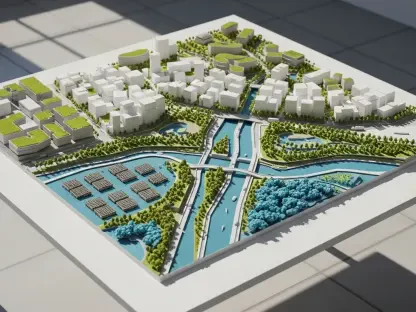
Beyond individual buildings, the rise of wellness-oriented real estate is influencing the broader urban planning strategies of Canadian municipalities. Local governments are beginning to recognize that healthy buildings contribute to a healthier public at large, potentially reducing the strain on the national healthcare system over the long term. This realization is leading to a new era of public-private partnerships where developers are granted certain zoning flexibilities in exchange for meeting rigorous wellness certification standards. This alignment of economic incentives with public health goals is accelerating the transformation of the Canadian skyline, ensuring that new developments contribute positively to the social fabric. The market is effectively rewarding developers who take a long-term view of their impact on the community and the environment.
Implementation and Scalability
Leveraging Technology and Strategic Planning
The practical execution of wellness real estate relies heavily on the deployment of sophisticated technological systems that work in tandem with architectural form. For instance, circadian lighting systems are being installed across new developments to synchronize indoor light intensity and color temperature with the natural movement of the sun, which is essential for maintaining hormonal balance and sleep quality. These smart systems are often integrated into a building-wide network that allows residents to customize their environmental settings via intuitive interfaces, providing a personalized approach to wellness. This marriage of technology and design ensures that the benefits of biophilic architecture are maximized through precise, data-driven control over the indoor climate and atmosphere.
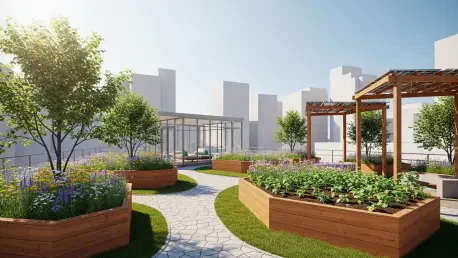
Strategic planning also involves the aggressive implementation of “urban greening” techniques, such as the conversion of traditional rooftops into functional agricultural terraces and pollinator gardens. These spaces serve a dual purpose: they mitigate the urban heat island effect, which can significantly raise local temperatures, and they provide residents with essential access to outdoor recreation and community gardening. By replacing sterile asphalt surfaces with living landscapes, developers are creating carbon sinks that improve local air quality while fostering a sense of social connectivity among neighbors. This transition from static structures to dynamic, living ecosystems represents a major leap forward in how we conceive of high-density living, moving away from isolation toward a more integrated and biologically active way of life in the city.
Expanding Wellness for Inclusivity and Growth
As the movement matures, the industry is confronting the challenge of making these health-promoting environments accessible to a broader demographic, including middle-income earners and those in purpose-built rental housing. Innovation in construction techniques, such as the use of modular components and prefabricated wall assemblies, is helping to lower the initial capital costs associated with high-performance building envelopes. By streamlining the assembly process, developers can allocate more of their budget toward high-quality air filtration and non-toxic materials without driving up the final price for the consumer. This push for affordability ensures that the wellness movement does not become an exclusive enclave for the wealthy, but rather a new baseline for all residential construction across the country.
The unique geographical context of Canada, with its vast natural assets and integrated ravine systems, provides a distinct advantage for scaling these wellness initiatives nationwide. Future developments are increasingly designed to act as extensions of the local landscape, drawing inspiration from the surrounding mountains, lakes, and forests to create a sense of place that is uniquely Canadian. This approach involves collaborating with indigenous leaders and local environmental groups to ensure that new projects respect the ecological history of the land while providing modern amenities. By blending regional natural beauty with advanced urban density, the real estate sector is establishing a sustainable model for growth that prioritizes the health of both the people and the planet. This inclusive strategy is essential for ensuring that the benefits of the wellness revolution are felt by every segment of the population.
Future Considerations for Urban Development
To maintain the momentum of this transformation, the industry transitioned toward a model where every new project underwent rigorous third-party auditing to verify its impact on human physiology. Developers increasingly sought partnerships with medical researchers to quantify the long-term benefits of biophilic living, using that data to refine their architectural strategies for the next generation of homes. This evidence-based approach ensured that wellness remained a credible and evolving discipline rather than a passing marketing trend. Ultimately, the focus shifted toward creating resilient urban nodes that could adapt to changing environmental conditions while remaining dedicated to the foundational goal of supporting human flourishing. The industry successfully repositioned the built environment as a primary contributor to the national public health strategy.