
In the aftermath of catastrophic natural events, communities often face the monumental task of not just rebuilding structures, but also restoring the very fabric of society, with the most vulnerable populations frequently left facing the steepest climb to recovery. In Fort Myers, Florida, where the echoes of Hurricane Ian’s devastation still linger, a significant new development is taking shape, one that aims to address the critical housing shortage for seniors through a strategic and collaborative effort. The groundbreaking of Legacy Park II, a $55 million, 130-unit affordable housing community, represents more than just new construction; it signifies a potential paradigm shift in how regions respond to disasters. By leveraging a public-private partnership, this project is designed to provide stable, high-quality housing specifically for older adults, a demographic disproportionately affected by the storm. This initiative is a cornerstone of Lee County’s long-term recovery and resilience strategy, reflecting a growing consensus among leaders to not only replace what was lost but to build back stronger and more equitably, creating lasting infrastructure improvements for at-risk residents.
A Blueprint for Resilient Reconstruction
Addressing the Needs of a Vulnerable Demographic
The housing crisis exacerbated by Hurricane Ian had a particularly severe impact on Lee County’s senior population, many of whom live on fixed incomes and found themselves displaced with few affordable options. Legacy Park II is engineered as a direct and precise response to this challenge, creating a sanctuary of stability for those aged 55 and older. The community’s design specifically targets individuals and couples earning at or below 30, 60, and 70 percent of the area median income, ensuring that the apartments are accessible to those who need them most. With monthly rents thoughtfully structured to range from $574 to $1,608, the project provides a tangible solution to the affordability gap that widened significantly after the disaster. This income-restricted approach is not merely a feature but the core of its mission, ensuring that seniors are not priced out of their own community during its recovery. This development goes beyond simply adding housing units; it is a strategic investment in the well-being of a demographic that forms the bedrock of the community, demonstrating a commitment to an inclusive and equitable rebuilding process that prioritizes long-term security.
Integrating Services for Enhanced Well-Being
A key differentiator that elevates Legacy Park II beyond a standard housing complex is its commitment to creating a service-enriched community designed for holistic well-being. The development is structured to provide far more than just a physical residence; it aims to foster an environment where seniors can thrive independently and with dignity. To achieve this, residents will have access to a suite of crucial support services tailored to their needs, including assistance with light housekeeping and grocery shopping, which can be significant challenges for older adults. Furthermore, the inclusion of resident assurance check-in programs offers a vital layer of security and peace of mind for both residents and their families. This integration of support systems directly into the housing model acknowledges that quality of life for seniors is intrinsically linked to accessibility and community care. By embedding these services within the residential experience, the project cultivates a supportive ecosystem that helps prevent isolation and promotes a higher degree of independence, transforming the concept of affordable housing into a comprehensive platform for healthy aging.
The Financial Architecture of Recovery
Weaving Together Public and Private Capital
The realization of the $55 million Legacy Park II project is a testament to the power of a sophisticated and multi-layered financial strategy, showcasing a modern approach to funding large-scale affordable developments. This initiative could not have been launched through a single source; instead, it relies on a complex blend of public and private capital meticulously woven together. A cornerstone of the funding is a significant $10.27 million grant in Community Development Block Grant–Disaster Recovery (CDBG-DR) funds allocated by Lee County, directly tying the project to the region’s post-hurricane recovery efforts. This public investment was pivotal in attracting private capital, including a substantial $29 million construction loan from Fifth Third Bank and $22.96 million in equity generated through the Low-Income Housing Tax Credit (LIHTC) program. Further rounding out the financial structure are an $11.83 million permanent loan from Freddie Mac and $8.95 million in specialized loans from the Florida Housing Finance Corporation. This intricate mosaic of financing demonstrates a collaborative model essential for tackling major societal challenges like post-disaster housing shortages.
A Focus on Quality and Sustainability
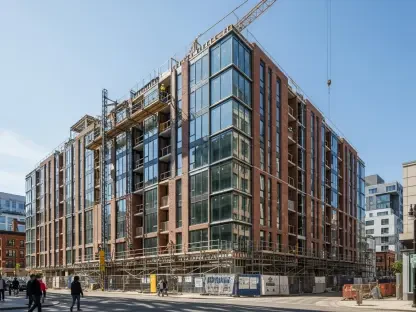
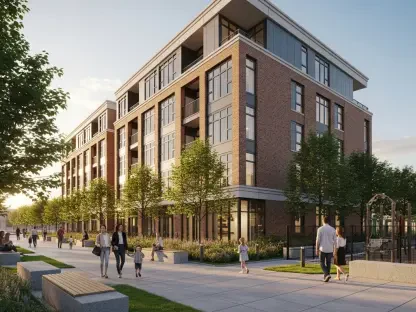
Beyond its financial and social framework, Legacy Park II is being constructed with a strong emphasis on long-term quality, sustainability, and resident comfort, ensuring it will be a resilient community asset for decades. The development will consist of two five-story buildings designed to meet the rigorous standards of the National Green Building and Energy Star programs. This commitment to green construction will not only reduce the community’s environmental footprint but also translate into lower utility costs for its residents, an important consideration for those on fixed incomes. Inside, the apartments will feature modern, high-quality amenities often absent in affordable housing, such as elegant quartz countertops and sleek stainless-steel appliances. The community-wide features are equally impressive, designed to promote an active and social lifestyle. These include a resort-style swimming pool, a state-of-the-art fitness center, a central clubhouse for gatherings, and a library for quiet reflection. By investing in superior construction materials and desirable amenities, the project rejects the outdated notion that affordable housing must be spartan, instead delivering a high-quality living experience that fosters pride and well-being among its residents.
A Model of Forward-Thinking Development
The strategic approach behind Legacy Park II offered a powerful example of how disaster recovery funds could be transformed into long-term community assets. The project did not just aim to replace lost housing; it was conceived to create a resilient, high-quality, and supportive environment for one of the community’s most vulnerable groups. By integrating robust support services, sustainable building standards, and a sophisticated public-private financing model, the development provided a tangible blueprint for other regions facing similar post-disaster challenges. This initiative ultimately demonstrated that with strategic planning and collaboration, the imperative to rebuild could become an opportunity to build back better, creating inclusive communities designed to withstand future challenges and enhance the quality of life for their residents.