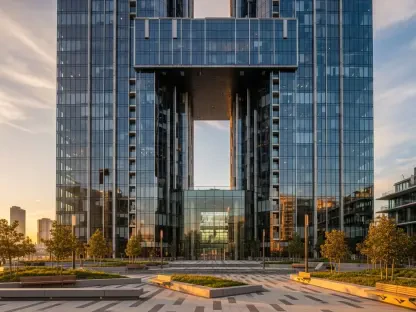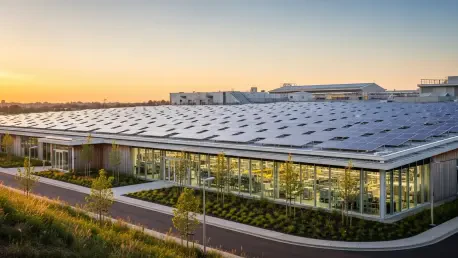

The achievement of LEED Platinum certification at the Siemens Mitras manufacturing facility in Santa Catarina, Nuevo León, serves as a definitive signal that the era of carbon-heavy industrial sprawl is rapidly being replaced by high-efficiency digital ecosystems. Spanning an impressive 201,285 square feet, this complex has emerged as a global flagship, marking the first time a Siemens factory anywhere in the world has attained the highest possible distinction within the LEED rating system. This milestone transcends mere corporate recognition; it underscores a profound transformation in Mexico’s manufacturing sector, repositioning the region as a primary destination for advanced, environmentally conscious production. By adhering to the stringent requirements of LEED version 4 for Building Design and Construction, the facility demonstrates that large-scale industrial operations can achieve peak performance while significantly reducing their ecological footprint, setting a benchmark for the entire industry.
Strategic Evolution of Northern Mexico’s Industrial Landscape
Since opening its doors in 2024, the Mitras plant has become a critical pillar of the North American energy infrastructure by specializing in plastic injection molding and the manufacturing of low-voltage electrical components. These products are not just commodities; they are the essential hardware required to build resilient, modern power grids and advanced circuit protection systems for cities across the globe. By establishing this “innovation node” in northern Mexico, Siemens has tapped into a highly specialized local workforce while utilizing a geographic location that facilitates rapid distribution to the United States and Canada. This strategic placement ensures that the supply chain remains lean and responsive, effectively moving away from the outdated model of simple assembly toward a sophisticated production environment where physical manufacturing and digital oversight are inextricably linked.
The choice of Nuevo León for such a prestigious project highlights the shifting perception of Mexico from a low-cost labor provider to a sophisticated partner in global technological innovation. This evolution was formalized through the “Made in Mexico” certification, which honors the high level of technological value and quality standards maintained at the facility. Such a designation is a direct result of the plant’s ability to integrate complex processes like precision molding with large-scale electrification needs. This shift is part of a broader trend where regional hubs are expected to deliver world-class products that satisfy both economic demand and strict environmental regulations. Consequently, the Mitras facility serves as a blueprint for how emerging industrial centers can leapfrog older technologies by adopting sustainable practices and advanced automation from the very start of their operational lifecycle.
Digital Integration as a Catalyst for Resource Efficiency
Functioning as a living laboratory for the industrial sector, the Mitras facility showcases the power of proprietary automation and data analytics to optimize every facet of production. At the core of the shop floor is a centralized digital nervous system that provides real-time visibility into machine performance, material flow, and energy usage patterns. This level of connectivity allows plant managers to implement predictive maintenance strategies, identifying potential failures before they cause downtime or resource waste. By using the same digital tools that the company provides to its international clients, the plant proves that internal transformation is the most effective way to validate new technologies. This approach turns the factory into a physical demonstration of how digitalization can drive decarbonization, providing a tangible example for other global manufacturers looking to modernize their own operations.
Beyond the production lines, the facility’s smart infrastructure utilizes intelligent software to manage the building’s internal environment with surgical precision. Sensors throughout the plant monitor occupancy and ambient conditions, automatically adjusting lighting, heating, and cooling systems to ensure that energy is only consumed where and when it is truly needed. This intelligent climate control is a far cry from the static systems of the past, as it adapts dynamically to the shift patterns of the workforce and the heat generated by industrial processes. Such integration of building management systems with the manufacturing floor creates a cohesive environment where the physical structure itself contributes to the facility’s overall efficiency goals. This holistic design philosophy ensures that the plant remains a low-impact operation, effectively proving that the “smart factory” concept is a prerequisite for any modern facility aiming for true environmental sustainability.
Quantifiable Sustainability and Global Rating Standards
The environmental performance of the Mitras facility is defined by rigorous data that places it in the top tier of industrial sites worldwide. Through the implementation of advanced energy-saving technologies, the plant has achieved a 40% reduction in power consumption compared to standard facilities of a similar size. This efficiency is further bolstered by an extensive on-site solar energy infrastructure that generates approximately 800 MWh of clean electricity annually. These measures lead to a staggering yearly reduction of roughly 2,740 tons of carbon dioxide emissions, providing a clear pathway for how heavy industry can align with international climate targets. Such measurable results are crucial for large corporations that must now report their environmental impact with the same level of transparency as their financial earnings, ensuring that sustainability remains a core component of their long-term competitive strategy.
Securing LEED Platinum certification under the version 4 standards is a notoriously difficult feat that requires excellence in water management, material selection, and site sustainability. This achievement was managed by the Siemens Real Estate division, which oversees millions of square feet of green-certified space globally and brought decades of expertise to the Santa Catarina project. The LEED v4 framework is significantly more demanding than previous iterations, pushing developers to account for the entire lifecycle of the building and the health of its occupants. By meeting these criteria, the Mitras plant has demonstrated that even energy-intensive sectors like plastic molding can be transformed into models of ecological stewardship. This success serves to validate the company’s broader commitment to environmental, social, and governance (ESG) standards, showing that high-capacity industrial production does not have to come at the expense of the natural world.
Future Implications for Global Manufacturing Chains
The success of the Mitras facility reinforces the growing trend of sustainable nearshoring, where companies relocate production closer to their primary markets to reduce transportation emissions and improve supply chain resilience. This model is particularly relevant in the context of the North American market, where consumer demand for ethically produced and environmentally friendly goods is at an all-time high. By prioritizing green certifications like LEED Platinum, manufacturers can satisfy these demands while also insulating themselves from fluctuating energy prices and potential carbon taxes. This strategy suggests that the future of manufacturing will be defined by regional clusters of excellence that prioritize resource circularity and low-carbon logistics. The integration of high-tech production with localized supply chains creates a more robust economic foundation that can withstand global disruptions while maintaining a firm commitment to planetary health.
Industry leaders recognized that the path forward required a fundamental shift in how manufacturing assets were designed and operated over their entire lifespan. They implemented comprehensive waste reduction programs and invested heavily in employee training to ensure that the workforce could manage the sophisticated digital tools necessary for a carbon-neutral future. These actions provided a functional roadmap for other organizations seeking to balance economic growth with ecological responsibility. By looking at the Mitras plant as a successful case study, companies identified that the integration of renewable energy and real-time data analytics was the most viable solution for meeting modern regulatory requirements. This transition proved that large-scale industrial decarbonization was not only possible but also economically advantageous when executed with precision. Ultimately, the lessons learned from this project established a new standard for how the global industrial landscape evolved to meet the challenges of a resource-constrained world.