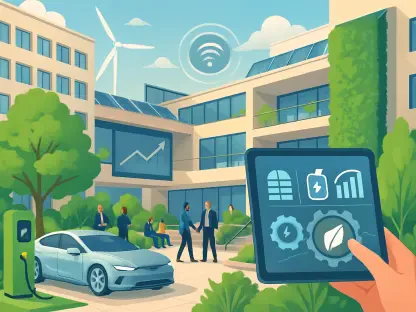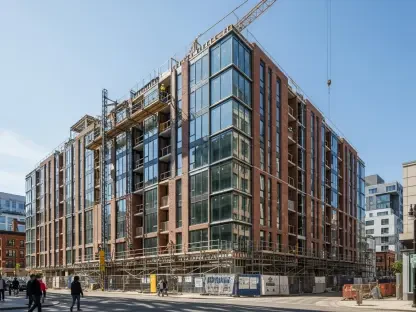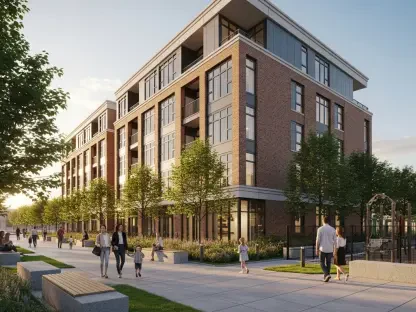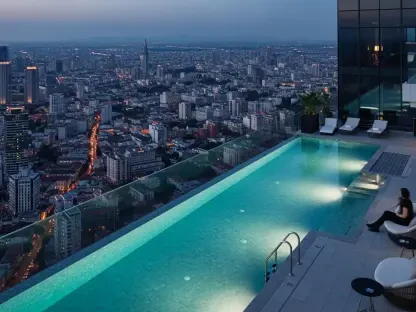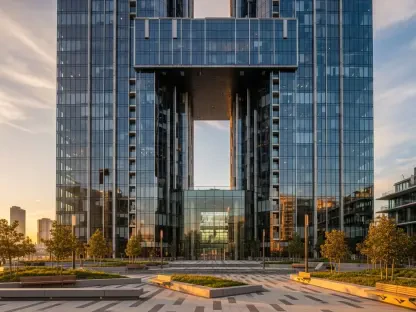

A profound shift is reshaping Bangkok’s office landscape, where the once-coveted green building certification is rapidly transitioning from a market differentiator to a fundamental prerequisite. In an environment increasingly influenced by corporate sustainability mandates and a tenant-driven “flight-to-quality,” the mere presence of a LEED or WELL plaque is no longer a guarantee of success. The city’s commercial real estate market is bifurcating, creating a stark divide between assets that simply meet environmental standards and those that offer a holistic, high-performance experience. As a wave of new, certified supply prepares to enter a market with softening occupancy rates, landlords are facing a critical question: what truly defines a premium office building in this new era? For a growing number of corporate occupiers, the answer extends far beyond energy efficiency, encompassing tenant well-being, community engagement, and a demonstrable commitment to comprehensive ESG principles. This evolution is forcing building owners to rethink their value proposition, as the buildings that fail to adapt risk becoming casualties of an irreversible market transformation.
The Shifting Demands of Corporate Tenants
Corporate Sustainability as a Driving Force
The primary catalyst for this market transformation is the evolving set of priorities among major corporate tenants, who are now aligning their real estate strategies with ambitious global sustainability goals. An overwhelming 81% of Bangkok’s top 100 office occupiers have publicly established net-zero or significant carbon reduction commitments, turning their choice of workspace into a tangible expression of their corporate values. This trend is particularly pronounced among leading firms in the financial, professional services, technology, and consulting sectors. For these organizations, selecting a green-certified office is a strategic imperative that serves multiple functions. It provides the verifiable emissions and resource consumption data essential for reporting to global disclosure frameworks such as GRESB and CDP. Furthermore, occupying a sustainable building acts as a powerful, visible symbol of their climate commitments, bolstering their corporate brand and reputation among clients, investors, and a talent pool that increasingly prioritizes environmental responsibility in their choice of employer.
The need for certified office space has moved beyond a “nice-to-have” amenity to a non-negotiable requirement dictated by corporate governance and stakeholder pressure. Global corporations are under intense scrutiny to translate their climate pledges into concrete actions, and their real estate portfolio represents one of the most significant and measurable areas for impact. A building’s green credentials offer a streamlined and credible method for quantifying reductions in operational carbon emissions, water usage, and waste generation. This data is critical for annual sustainability reports and for satisfying the increasingly stringent criteria of ESG-focused investors. In a competitive labor market, particularly within high-value sectors like technology and finance, a state-of-the-art, sustainable workplace also functions as a key differentiator in the war for talent. It signals to prospective and current employees that the company is forward-thinking and invested in providing a healthy, responsible, and inspiring environment, making the building itself an integral part of the employer’s value proposition.
Beyond Environmental Metrics to Holistic Wellness
While environmental performance initiated the shift, tenant decision-making has broadened to encompass a more holistic view of sustainability, placing significant weight on the social and governance aspects of ESG. Corporate leaders now recognize the direct link between the workplace environment and employee well-being, productivity, and retention. Consequently, factors such as superior indoor air quality, access to natural light, ergonomic design, and amenities that promote physical and mental health have become critical considerations in the leasing process. This has propelled certifications like WELL, which specifically measure and verify a building’s impact on human health, to the forefront. Landlords are discovering that a building must not only be good for the planet but also for the people who occupy it. This focus on the occupant experience is compelling property owners to invest in advanced air filtration systems, biophilic design elements, fitness centers, and spaces that foster collaboration and community, creating environments that actively support a healthy and engaged workforce.
The emphasis on a superior tenant experience is prompting landlords to adopt a more hospitality-oriented mindset, moving beyond the traditional role of a property manager to that of a service provider and community facilitator. This involves proactive engagement with tenants to understand their evolving needs, organizing community-building events, and offering flexible space solutions that can adapt to hybrid work models. The “governance” component of ESG is also gaining traction, reflected in transparent communication about building operations, clear health and safety protocols, and a commitment to ethical management practices. Buildings that successfully integrate these social and governance pillars with strong environmental credentials are creating a powerful, multifaceted value proposition. They are positioning themselves not just as physical structures but as strategic partners that help their corporate tenants achieve their business objectives, attract top talent, and fulfill their broader ESG commitments in a comprehensive and authentic manner.
Market Dynamics and the Widening Performance Gap
A Market Divided by Green Credentials
Recent leasing data from Bangkok’s office market provides unequivocal evidence of a market splitting into two distinct tiers based on sustainability credentials. A clear performance gap has emerged, with green-certified buildings demonstrating remarkable resilience and growth while their non-certified counterparts face significant headwinds. Over the past year, certified properties recorded a strong net absorption of over 92,000 square meters, indicating robust demand from tenants actively seeking sustainable spaces. In stark contrast, the non-certified segment of the market experienced a net contraction of 11,000 square meters, as tenants either relocated to greener buildings or downsized their footprints in older, less efficient properties. This divergence is also reflected in rental rates. Prime office buildings in the Central Business District that hold green certifications now command a substantial 37% rental premium over the city’s market average. This premium underscores the tangible value that corporations place on sustainability and the competitive advantage that certified assets hold in attracting and retaining high-quality tenants.
This market bifurcation is being further accelerated by a substantial influx of new, high-quality supply. A development pipeline of approximately 660,000 square meters of new LEED and WELL-certified office space is slated for completion by 2030. This wave of modern, sustainable projects is entering a market where overall occupancy has already softened, declining to 80% from a pre-pandemic high of 91%. The introduction of this new inventory will inevitably intensify competition, particularly for top-tier corporate tenants with stringent ESG requirements. As these new buildings come online, they will raise the bar for the entire market, compelling tenants in older, non-certified spaces to re-evaluate their current accommodations. This dynamic is expected to exacerbate the flight-to-quality trend, widening the performance gap between prime, green assets and secondary or tertiary buildings that lack modern amenities and sustainability features, leading to further stratification in both occupancy and rental growth across the market.
The Retrofitting Challenge for Older Assets
In response to the undeniable market shift, owners of older buildings are increasingly pursuing retrofitting projects to achieve green certification and remain competitive. This has led to a remarkable 87% increase in the total stock of certified office space since 2019, as landlords invest in upgrading building systems, improving energy efficiency, and enhancing the overall tenant environment. However, despite this surge in retrofitting activity, a significant gap remains. A closer look at the data reveals that only 15% of buildings over 20 years old have obtained any form of green certification. This figure stands in sharp contrast to the new building stock, where an impressive 69% are certified. This disparity highlights the immense scale of the challenge facing the owners of Bangkok’s aging office portfolio. While retrofitting is a viable path to relevance, the associated capital expenditure, logistical complexities, and potential for tenant disruption present considerable hurdles, preventing a more widespread adoption of sustainability upgrades across the city’s older commercial assets.
The decision to retrofit is a critical one for owners of secondary assets, as inaction poses a growing risk of obsolescence. Buildings that fail to upgrade both their environmental performance and their tenant-facing amenities will likely face mounting occupancy pressure and diminishing rental income. As the flight-to-quality continues, these properties will be increasingly relegated to a lower tier of the market, struggling to attract and retain tenants in the face of competition from both new developments and newly upgraded older buildings. The structural challenges are significant; older building designs may limit the feasibility of certain upgrades, and the return on investment must be carefully calculated. Nevertheless, those owners who successfully navigate the retrofitting process can unlock significant value, protecting their asset’s long-term viability and repositioning it to compete effectively in a market where sustainability and workplace quality are no longer optional but essential components of a successful commercial real estate strategy.
Redefining Value Through Tenant Experience
The analysis of Bangkok’s office market revealed a clear and decisive trend where green certification had evolved from a desirable feature into a baseline expectation. The most successful assets were not merely those with environmental credentials but those that integrated high-performance sustainability with a superior, hospitality-driven tenant experience. It became evident that landlords needed to adopt a new mindset, one focused on providing wellness amenities, fostering a sense of community, and engaging proactively with occupants. This approach, which combined the tangible benefits of a sustainable building with the intangible value of a high-quality workplace environment, was what ultimately captured the disproportionate share of tenant demand and sustained rental growth. The buildings that failed to upgrade both their environmental performance and their tenant experience faced significant structural challenges and diminishing relevance in an increasingly sophisticated and competitive market.