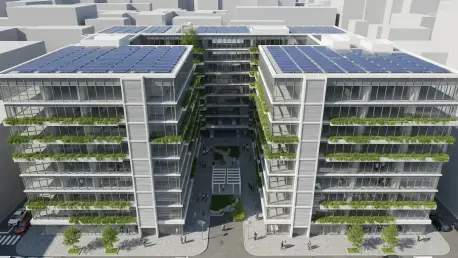

The strategic shift toward decentralizing corporate operations from the congested metropolitan streets of Manila to emerging regional hubs like Iloilo City has fundamentally transformed the Philippine real estate landscape. Cybergate Iloilo Tower 3 stands at the center of this movement, representing a sophisticated blend of environmental responsibility and economic pragmatism. Developed through a strategic partnership between Arcadis and Robinsons Land Inc., the project recently achieved the LEED Silver Certification under the BD+C: Core and Shell v4 rating system. This designation is not merely a badge of honor; it signals a fundamental change in how provincial office spaces are designed and operated. By surpassing the benchmarks of its predecessors within the ten-hectare Iloilo estate, Tower 3 demonstrates that high-performance engineering is no longer reserved for the nation’s capital. This development highlights the growing demand for world-class infrastructure that supports the rapid expansion of the business process outsourcing sector in the Visayas.
Advanced Engineering: The Framework of Efficiency
To secure its prestigious Silver designation, the engineering team implemented a comprehensive suite of green strategies that prioritize long-term operational efficiency over short-term savings. Key technical findings revealed an impressive 11.2 percent reduction in energy costs when measured against the rigorous ASHRAE 90.1-2010 baseline, a feat verified through sophisticated whole-building simulations. This efficiency is achieved through the integration of advanced HVAC systems, high-performance glazing, and intelligent lighting controls that adapt to natural sunlight levels. Moreover, the project emphasizes a holistic approach to resource management by incorporating an on-site sewage treatment facility, which ensures that water usage remains sustainable within the local ecosystem. These technical advancements do more than just lower utility bills; they provide a blueprint for how regional developments can match the rigorous environmental standards typically expected of premium skyscrapers in global financial districts.
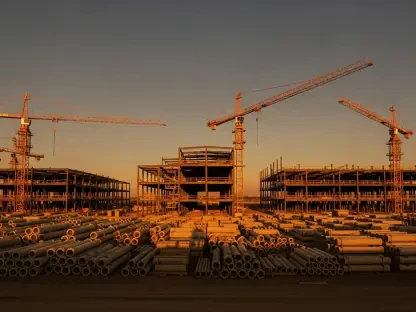
Beyond the daily operational metrics, the construction phase of the tower served as a masterclass in the principles of a circular economy. During the development process, contractors successfully diverted 75 percent of construction and demolition waste from local landfills, significantly reducing the environmental footprint of the massive structure. This commitment to sustainability extended to the selection of raw materials, with over 31 percent of permanently installed building components derived from recycled sources. Such a high percentage of recycled content reflects a deliberate effort to minimize the extraction of virgin materials while supporting a more sustainable supply chain. Furthermore, the development prioritized ecological balance by actively restoring natural habitats across a full quarter of the site. This effort to integrate local flora back into an urbanized environment showcases a shift toward bio-centric design, where the built environment exists in harmony with the surrounding landscape.
Strategic Integration: Human Centricity and Economic Growth
The architectural philosophy guiding the project moves beyond technical specs to emphasize the actual experience of the professionals who occupy the space daily. Large, panoramic windows provide expansive views of the Iloilo skyline, which are strategically designed to reduce employee fatigue and enhance cognitive performance throughout the workday. Common green spaces are distributed throughout the complex to foster community interaction and provide mental respite from high-pressure office environments. Furthermore, the building promotes sustainable mobility by providing dedicated bike racks and changing facilities, encouraging employees to opt for active transport over private vehicles. The tower’s strategic location near the Pavia Transport Terminal and the Iloilo International Airport further reinforces its role as a hub for transit-oriented development. By streamlining the commute and offering high-quality amenities, the facility addresses the modern workforce’s demand for a lifestyle that bridges professional productivity and health.
The collaboration between industry leaders established a new standard for how regional offices functioned within the broader national economy. By delivering premium, business process outsourcing grade infrastructure in provincial hubs, the project enabled professionals to pursue high-level careers without leaving their home provinces. This decentralization model effectively reduced the brain drain from Western Visayas while offering international firms a stable and technologically advanced base of operations. Stakeholders recognized that investing in green-certified buildings provided a clear competitive advantage in attracting top-tier global tenants. For future regional developments, the success of this tower suggested that the path forward required a dual focus on rigorous environmental certifications and robust transit connectivity. Moving forward, developers and local government units should have collaborated to prioritize similar sustainable projects that integrated modern technology with localized community needs.