
Imagine a world where the value of a commercial building isn’t just tied to its location or square footage, but to how well it withstands a storm or slashes energy bills. That’s the reality in today’s commercial real estate (CRE) market, where sustainability has shifted from a nice-to-have to a must-have. Clients aren’t just asking for sleek designs or prime addresses anymore; they’re demanding properties with green features that save money and protect against environmental risks. This transformation isn’t merely a trend—it’s a fundamental rethink of how properties are bought, sold, and managed. From eco-friendly certifications to innovative reuse of aging structures, sustainability is redefining industry standards. This exploration uncovers the key drivers behind this shift, the financial stakes, the creative solutions emerging, and the hurdles real estate professionals face as they adapt to a greener landscape with rising expectations.
Client Priorities in a Greener Market
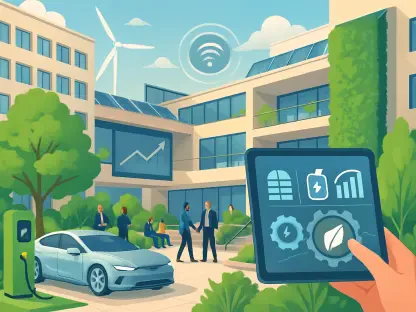
Sustainability has climbed to the top of the priority list for many CRE clients, reshaping what they look for in a property. Gone are the days when a flashy lobby or extra parking spaces sealed the deal. Now, buyers and tenants zero in on features like energy-efficient windows, smart thermostats, and water-conserving designs that cut down on operational costs. Indoor air quality also matters more than ever, as healthier environments become a selling point. Beyond savings, there’s a growing focus on resilience—buildings that can stand up to wildfires, floods, or extreme heat are in high demand. This reflects a broader mindset shift toward long-term value over short-term flash. Real estate professionals are finding that highlighting these elements in listings isn’t just helpful; it’s essential to meet the evolving expectations of a market that’s increasingly tuned into environmental impact and durability.
Moreover, this demand isn’t a niche concern but a widespread movement across sectors. Whether it’s a corporate tenant seeking a sustainable headquarters or a retailer eyeing lower utility bills, the push for green features crosses property types. The ripple effect is clear: agents must pivot their approach to marketing and negotiations, emphasizing data on energy performance or weather-readiness that might have been an afterthought a decade ago. A striking insight from industry surveys shows many clients are even willing to pay a premium for properties that check these boxes. However, the challenge lies in ensuring transparency—clients expect hard numbers on savings or certifications, not vague promises. Navigating this terrain means staying ahead of what clients value most, a task that’s as much about education as it is about salesmanship in a rapidly changing field.
Financial Stakes of Green Certifications
The financial upside of sustainability in CRE is becoming harder to ignore, with green certifications like LEED and ENERGY STAR emerging as powerful value-adds. These labels aren’t just badges of honor; they signal energy efficiency and environmental responsibility that resonate with eco-minded tenants and investors. Industry data from the National Association of REALTORS® suggests that nearly a third of professionals see these certifications boosting property worth in their markets. The appeal is straightforward—certified buildings often mean lower operating costs and higher tenant retention, translating to better returns. Yet, there’s a catch: a sizable chunk of the industry remains unsure about quantifying this impact. This uncertainty points to a gap that needs closing if sustainability is to be fully leveraged as a competitive edge in transactions.
On the flip side, the potential for financial gain is pushing more stakeholders to prioritize green upgrades, even in older properties. Investors are starting to view retrofits for energy efficiency not as expenses but as strategic moves to enhance marketability. However, the lack of standardized methods to assess the dollar value of these certifications creates hesitation. Some worry that overpromising on benefits could backfire if savings don’t materialize as expected. Bridging this knowledge gap through better data and industry benchmarks could unlock even greater investment in sustainable features. As the market evolves, those who can clearly articulate the financial perks of green buildings—whether through reduced costs or premium pricing—stand to gain a distinct advantage in attracting discerning buyers and tenants who see beyond the upfront price tag.
Creative Approaches with Adaptive Reuse
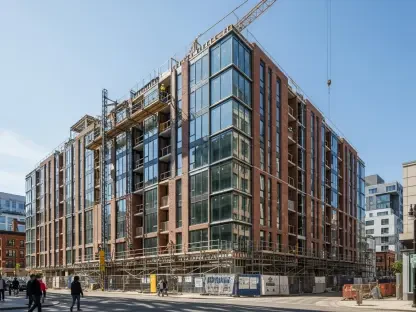
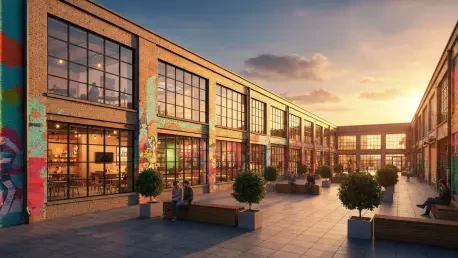
One of the most compelling ways sustainability is influencing CRE comes through adaptive reuse, a practice where outdated or vacant buildings are repurposed for fresh uses. Picture an old office tower transformed into residential lofts or a sprawling mall reborn as a mixed-use community space. About a third of brokerage firms have tapped into this trend, recognizing its dual benefit of cutting waste and revitalizing neglected properties. This isn’t just about slapping on a new coat of paint—it’s a thoughtful response to changing economic needs while aligning with environmental goals. By breathing new life into existing structures, the industry reduces the demand for resource-heavy new construction, making adaptive reuse a cornerstone of sustainable development that also addresses urban blight.
Beyond environmental wins, adaptive reuse offers practical solutions to market challenges like oversupply in certain sectors. With remote work shrinking the need for traditional office spaces, repurposing these buildings for housing or other purposes meets pressing community demands. Yet, pulling this off isn’t always smooth sailing—zoning hurdles, structural limitations, and funding gaps can stall projects. Despite these obstacles, the trend is gaining traction as a way to merge innovation with sustainability. Real estate professionals who master this niche can position themselves as problem-solvers, turning forgotten spaces into valuable assets. As cities grapple with growth and change, adaptive reuse stands out as a forward-thinking strategy that balances profit with a lighter footprint on the planet.
Navigating Hurdles in Sustainable Practices
Integrating sustainability into CRE isn’t a walk in the park, as professionals grapple with a range of barriers that test their adaptability. Retrofitting older buildings for energy efficiency often tops the list of challenges, with aging infrastructure resisting modern upgrades like solar panels or efficient HVAC systems. Then there’s the issue of valuation—figuring out how much green features actually add to a property’s worth remains murky for many. Access to reliable data on a building’s performance history is another sticking point, leaving agents scrambling to answer tenant questions. Add to that the growing concern over climate risks, from flooding to extreme heat, and the fear of legal liability for overstating green benefits, and it’s clear that the road to sustainability is paved with complexities that demand both caution and creativity.
Nevertheless, these hurdles come with silver linings for those willing to innovate. Technology, such as climate-risk software and predictive analytics, offers tools to assess vulnerabilities and plan accordingly, turning risk into a manageable factor. Education also plays a pivotal role—agents who pursue training on sustainable practices or certifications can set themselves apart in a crowded market. Marketing green features effectively, by using hard data on utility savings or highlighting certifications, can build trust with clients. While regional differences in awareness and resources persist, the opportunity to lead on sustainability is ripe. Embracing these solutions isn’t just about overcoming obstacles; it’s about shaping a future where environmental responsibility and business success go hand in hand for CRE professionals ready to adapt.
Building a Resilient Future
Reflecting on the strides made in commercial real estate, it’s evident that sustainability carved a lasting imprint on how the industry operated in recent times. The push for greener buildings, driven by client demand and financial incentives, reshaped priorities and sparked innovation. Looking ahead, the focus should shift to actionable steps that cement these gains. Real estate professionals would do well to deepen their expertise through targeted training, ensuring they can confidently navigate valuation uncertainties and climate risks. Leveraging technology to provide transparent data on energy performance could build stronger client trust. Additionally, championing adaptive reuse projects might address both market gaps and environmental goals. By tackling knowledge gaps and embracing cutting-edge tools, the industry can solidify sustainability as a core pillar, paving the way for a market that’s not only profitable but also resilient against tomorrow’s challenges.