
Mexico has undergone a massive transformation in its approach to construction, evolving from traditional methods to a sophisticated, data-driven green building ecosystem. As of 2026, the country has firmly established itself as a global powerhouse in sustainable real estate, fueled by a unique mix of industrial expansion and an urgent need for climate resilience. This shift is no longer just about environmental prestige; it is a strategic response to global economic demands and the reality of a changing planet, positioning Mexico as a regional pioneer in decarbonization. The nation is currently navigating a period where the built environment serves as a primary vehicle for achieving ESG mandates, attracting billions in foreign direct investment. This momentum is not merely a passing trend but a structural realignment of the entire property sector, where sustainability and profitability have become inextricably linked. By integrating innovative materials and digital tracking, the local market is setting a new standard for how developing economies can balance rapid industrialization with rigorous environmental stewardship and long-term urban planning.
Securing a Top Spot in Global LEED Certifications
Mexico currently holds the impressive rank of fifth globally for LEED-certified projects outside the United States, outpacing major economies like Switzerland and the United Arab Emirates. With millions of square meters certified across hundreds of projects, the nation leads the Latin American market by a significant margin. This dominance is supported by the U.S. Green Building Council’s latest data, which highlights the country’s aggressive pursuit of international standards to ensure its infrastructure remains world-class and environmentally responsible. The certification process has become a universal language for developers, providing a transparent framework that proves an asset’s efficiency to a global audience. This high ranking reflects a mature market where architects, engineers, and developers have mastered the complexities of green building, moving beyond simple energy-saving measures to holistic designs that address water management, indoor air quality, and the carbon footprint of construction materials.
Much of this momentum is driven by the nearshoring phenomenon, where multinational corporations are relocating their supply chains closer to the North American market to reduce logistics costs and lead times. To satisfy the strict Environmental, Social, and Governance mandates of these global firms, the industrial and logistics sectors have adopted LEED certification as a non-negotiable requirement. High-quality warehouses and distribution centers are now designed to be as efficient as possible, turning what was once a niche trend into a fundamental standard for institutional-grade assets. These corporations require facilities that minimize operational costs while fulfilling corporate sustainability pledges made to shareholders. Consequently, any new industrial development that lacks green credentials faces a significant competitive disadvantage. This demand has sparked a wave of innovation in the Bajio and northern border regions, where state-of-the-art logistics hubs are now being constructed with zero-carbon goals as a primary design objective from the very beginning.
Innovative Financing and Social Impact
The growth of green real estate is being accelerated by a revolution in the financial sector, where sustainable certification is now viewed as a primary indicator of asset quality. Investors and financial institutions increasingly see green buildings as lower-risk investments with higher long-term value, leading to a proliferation of green loans. This financial shift has made sustainable projects more accessible, proving that eco-friendly construction is a savvy business move rather than just a regulatory burden. Banks are now offering preferential interest rates for projects that achieve specific sustainability benchmarks, recognizing that efficient buildings have lower default risks and higher occupancy rates. This alignment between capital markets and environmental goals has created a self-sustaining cycle of investment, where the availability of “green capital” incentivizes developers to push the boundaries of what is possible in sustainable design, ensuring that the next generation of Mexican infrastructure is both resilient and economically viable.
Large-scale partnerships are also funneling hundreds of millions of dollars into sustainable bonds to support the social sector, ensuring that green benefits reach a wider demographic. For example, collaborations between international development banks and Mexican financial institutions are specifically targeting affordable, resilient housing for low-income families in vulnerable areas. These initiatives are crucial because they extend green building principles beyond luxury commercial spaces, demonstrating that sustainable construction can be a powerful tool for social equity and economic resilience. By focusing on the residential sector, the industry is addressing the energy poverty often faced by lower-income households, providing them with homes that require less cooling and water. This social dimension of the green building movement is essential for long-term national stability, as it helps communities adapt to a changing climate while reducing their daily living expenses through improved building performance and smarter resource management.
Building Resilience and Digital Efficiency
For Mexico, sustainable construction is also a matter of survival in a region increasingly prone to extreme weather events like droughts, heatwaves, and floods. The industry is pivoting toward resilience standards, incorporating bioclimatic designs and advanced water-harvesting systems to protect against thermal stress and resource scarcity. By focusing on high-durability materials and proactive climate adaptation, Mexico is attracting private capital to projects that reduce structural vulnerabilities and safeguard the local population. These buildings are designed to function even when municipal infrastructure fails, utilizing passive cooling techniques and decentralized energy systems to maintain habitability. This shift marks a move away from “business as usual” toward a model where every structure is viewed as a critical piece of defensive infrastructure. Developers are now conducting sophisticated climate risk assessments before breaking ground, ensuring that their assets can withstand the projected environmental stressors of the next several decades.
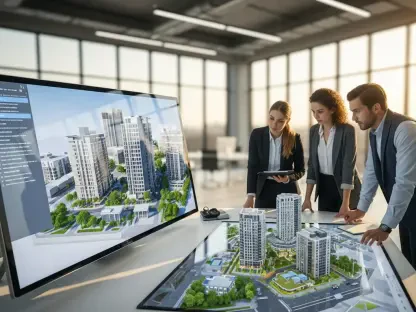
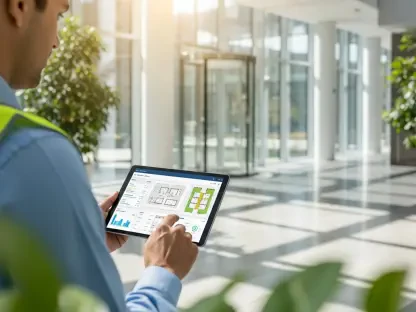
A digital revolution is underpinning this transition, with the integration of Energy Management Systems and advanced telemetry becoming standard practice across the real estate landscape. These technologies allow developers to track building performance in real-time, ensuring that energy efficiency is maintained throughout a structure’s entire lifecycle rather than just on paper. This focus on operational excellence can slash energy consumption by up to 20%, keeping Mexico’s real estate market competitive while aligning with global goals to reach net-zero emissions. Telemetry data provides actionable insights that allow facility managers to optimize HVAC systems and lighting based on actual occupancy patterns, preventing energy waste. Moving forward, the industry should prioritize the widespread adoption of digital twins and predictive maintenance algorithms to further enhance performance. Stakeholders must focus on upskilling the workforce to manage these complex systems, ensuring that the technological leap translates into tangible, long-term environmental gains and sustained asset value for the broader economy.