
The global construction landscape is currently witnessing an unprecedented metamorphosis as traditional carbon-heavy methodologies yield to a sophisticated model centered on environmental stewardship and resource efficiency. Driven by an urgent mandate to combat climate change, this sector is projected to hit a valuation of $791.93 billion by 2031, reflecting a robust compound annual growth rate of 10.4 percent from the current year of 2026. This expansion signifies more than a mere trend; it represents a structural overhaul of the built environment aimed at lowering embodied carbon and aligning with increasingly stringent global energy regulations. As urbanization continues to accelerate across various developing nations, the pressure to adopt sustainable practices has moved from the periphery of architectural design to the very center of industrial strategy. Stakeholders are now prioritizing materials that offer long-term durability while minimizing the immediate ecological debt incurred during the initial phases of high-density construction projects.
Defining Sustainable Construction Materials
Core Principles: Reducing Embodied Energy
At the heart of this market evolution is a concerted effort to minimize what experts call “embodied energy,” which accounts for the total energy consumed during the extraction, processing, and transportation of building components. By selecting products with low energy requirements and high potential for recyclability, developers can drastically reduce the carbon footprint of new infrastructure before the first tenant even enters the building. These sustainable materials are defined by responsible manufacturing processes and an inherent ability to be recycled or safely decommissioned at the end of their operational lifespan. This holistic lifecycle-based approach ensures that the ecological impact is mitigated from the moment raw materials are pulled from the earth until the structure is eventually dismantled. Moreover, the focus on transparency in the supply chain has allowed architects to make data-driven decisions that balance aesthetic desires with the rigorous demands of environmental preservation in modern cities.
Material Categories: From Earth to Steel
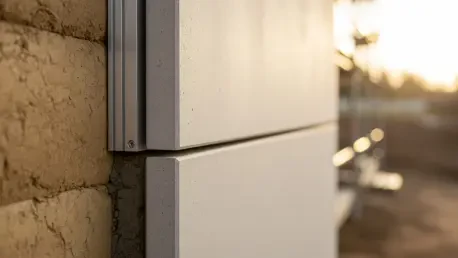
Several key material categories are spearheading this transformation, beginning with earthen substances such as clay, adobe, and rammed earth which offer exceptional thermal mass for natural temperature regulation. Another significant advancement involves the deployment of Insulated Concrete Forms, or ICFs, which pair the structural strength of reinforced concrete with integrated insulation layers to create a high-performance building envelope. Beyond these natural and hybrid solutions, the industry relies heavily on structural steel and advanced composites that utilize recycled content to support a circular economic model. Steel is particularly prized for its ability to be melted down and repurposed without losing its integrity, while composites made from recycled plastics and agricultural waste offer durable alternatives to traditional timber. Fiber cement has also emerged as a popular choice, mixing cement with cellulose fibers to create a fire-resistant, long-lasting material that requires minimal maintenance over several decades of exposure to harsh weather conditions.
Primary Growth Catalysts and Policy Support
Innovation: Bio-Based Solutions and Health
Technological breakthroughs and shifting consumer priorities regarding indoor air quality are acting as primary engines for market growth. Modern manufacturing facilities are now capable of producing bio-based materials that function as carbon sinks, effectively sequestering carbon dioxide from the atmosphere throughout the life of the building. Simultaneously, there is a heightened public awareness regarding the health implications of living and working environments, leading to a surge in demand for materials that avoid volatile organic compounds. These harmful substances, often found in traditional paints, adhesives, and finishes, can lead to long-term respiratory issues, making “healthy” building certifications a top priority for luxury and commercial developers alike. By focusing on non-toxic, breathable materials, the industry is not only protecting the planet but also significantly improving the daily well-being of occupants who spend the vast majority of their time indoors in urban settings.
Regulatory Influence: Standards and Incentives
Government intervention remains a decisive factor in the rapid adoption of eco-friendly building materials through the implementation of stricter codes and financial rewards. Many municipal and national governments now offer substantial tax credits for sustainable construction projects while mandating the use of green materials for large-scale public infrastructure developments. International standards such as LEED and BREEAM have established themselves as the global benchmarks for developers, providing a rigorous framework that ensures sustainability is a measurable and verifiable metric rather than just a marketing claim. These certifications add tangible value to real estate assets by lowering operational costs and increasing the desirability of properties for corporate tenants with their own environmental targets. As policies continue to evolve from voluntary guidelines into mandatory requirements, the market is seeing a massive influx of capital directed toward the research and development of the next generation of high-performance materials.
Future Frontiers and the Competitive Landscape
Technological Integration: Smart and Modular
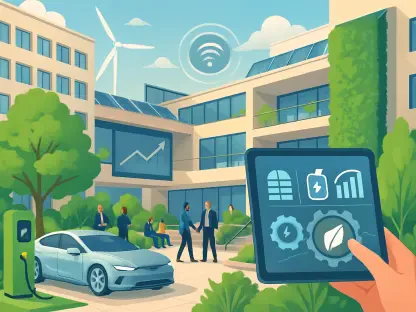
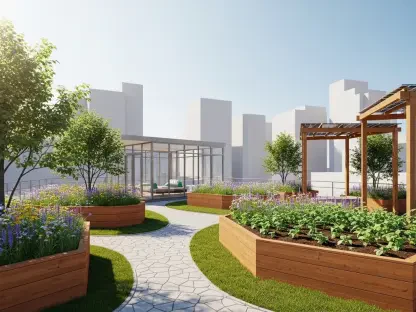
The future of the construction sector lies at the intersection of natural design and high-tech efficiency, specifically through the use of biophilic elements and modular assembly techniques. Biophilic design incorporates living walls, natural light optimization, and organic textures to improve occupant productivity and mental health, while smart building technology works in tandem with green materials to achieve net-zero energy status. Furthermore, the rise of modular construction—where building components are manufactured in controlled factory settings—is drastically reducing onsite waste and allowing for the easy disassembly and reuse of structural elements. This “plug-and-play” style of building is changing the fundamental nature of urban development, making it possible to adapt structures to changing needs without the traditional cycle of demolition and landfill disposal. The synergy between high-performance insulation and automated building management systems ensures that energy consumption is kept to an absolute minimum throughout the year.
Market Leaders: Driving Global Change
Opportunities for expansion are increasingly found in the development of advanced insulation and the creative utilization of industrial byproducts such as fly ash to replace conventional cement. Industry giants like BASF, DuPont, and Kingspan are leading these efforts by investing heavily in material science to create products like sheep’s wool insulation and ultra-thin aerogels that provide superior thermal resistance. These organizations are not only focusing on the structural components but also on the chemical compositions of coatings and sealants to ensure they meet the highest environmental standards. As these major players collaborate with specialized innovators and startups, the marketplace is becoming a hotbed for solutions that were once considered niche but are now essential for large-scale development. The shift toward a carbon-negative footprint is no longer a distant goal but a practical reality as these companies successfully scale their sustainable operations to meet the needs of a global population that demands more responsible and efficient housing.
The global transition toward sustainable construction reached a critical turning point as the market for green materials matured into a nearly $800 billion industry. Decision-makers and developers moved away from purely aesthetic greenwashing and instead focused on the integration of circular economy principles and advanced bio-based technologies to future-proof their investments. To remain competitive in this shifting landscape, stakeholders prioritized the adoption of materials that offered both high thermal efficiency and low chemical toxicity, ensuring compliance with the increasingly rigid international standards that governed the built environment. Future progress in this sector relied on the continued synergy between government-backed financial incentives and private-sector material innovation, which effectively lowered the entry barriers for eco-friendly housing projects. The industry successfully demonstrated that economic growth and environmental stewardship were not mutually exclusive but were, in fact, the dual pillars of modern architectural success.