
The rapid expansion of African urban centers presents a unique demographic challenge that necessitates a radical rethinking of how residential infrastructure is planned and funded to meet the needs of a population set to reach 2.4 billion by mid-century. Currently, the continent is grappling with a staggering 50-million-unit housing backlog that cannot be effectively addressed through traditional, carbon-intensive construction methods without causing significant environmental damage. Because the global building sector contributes nearly 40 percent of total greenhouse gas emissions, the transition to green housing has moved from an elective environmental goal to a structural economic necessity. To address this looming crisis, stakeholders must bridge the massive gap between ecological requirements and the financial realities of developing nations. This involves not only the adoption of new technologies but also a complete overhaul of the credit mechanisms that have historically favored cheaper, less sustainable materials. By aligning urban growth with climate resilience, African nations can ensure that their future housing stock is both habitable and sustainable for the long term.
The urgency of this shift is underscored by the fact that traditional concrete and steel production remains a primary driver of industrial pollution, yet these materials are still the default choice for most African developers due to established supply chains and immediate cost-effectiveness. Breaking this cycle requires a departure from the “build first, fix later” mentality that has characterized much of the global North’s industrial history. Instead, African nations have the unique opportunity to leapfrog outdated construction paradigms by adopting circular economy principles and bio-based materials from the outset. This move toward green housing offers a dual benefit: it mitigates the impact of climate change in a region particularly vulnerable to extreme weather, while also fostering a new industry centered on sustainable innovation. To realize this vision, the gap between high-level climate commitments and the ground-level reality of construction financing must be closed through targeted policy interventions and a reimagining of risk assessment in the residential lending sector.
Defining the Economic Value of Eco-Friendly Construction
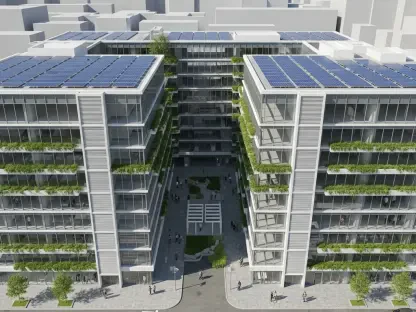
The green housing paradigm centers on minimizing the environmental footprint of residential structures through enhanced energy efficiency, water conservation, and the strategic use of recycled or locally sourced materials. Beyond the obvious environmental protections, these sustainable buildings offer a compelling economic value proposition by drastically lowering long-term utility costs for residents who are often vulnerable to fluctuating energy prices. For instance, the integration of passive cooling designs and solar water heating can reduce electricity consumption by up to 30 percent, providing immediate financial relief to low-income households. Moreover, the shift toward sustainable construction stimulates local markets for specialized building technologies, creating a demand for skilled labor and new manufacturing capabilities within the continent. This localized approach not only reduces the carbon footprint associated with importing materials but also ensures that the economic benefits of the construction boom remain within the local community.
Despite the clear advantages of resource-efficient buildings, the adoption of green construction methods across the African continent remains sluggish due to a combination of high initial costs and systemic financial barriers. Developers often find that the upfront investment required for high-performance insulation, advanced water filtration systems, and certified sustainable timber can be significantly higher than that of conventional materials. In a market where capital is expensive and interest rates are high, these additional costs frequently deter private investors from pursuing eco-friendly projects. Furthermore, the lack of standardized data regarding the long-term performance of green buildings in African climates makes it difficult for lenders to accurately assess the risk and return of such investments. Without a robust framework to prove that the operational savings of green homes outweigh the initial “green premium,” many projects remain stalled at the conceptual stage, unable to secure the necessary funding to break ground.
Bridging the Global and Local Financial Divide
A comprehensive analysis of global financial trends highlights a significant disparity between developed and developing economies regarding the maturity of sustainable building ecosystems. In regions like Europe and East Asia, a sophisticated network of green mortgages, specialized credit lines, and public subsidies has successfully lowered the barrier to entry for eco-friendly projects, making them a mainstream choice for consumers. In contrast, many African nations lack the necessary financial infrastructure to support such initiatives, leaving developers to rely on traditional, high-emission materials to keep immediate costs manageable. This financial disconnect is further exacerbated by the fact that international climate funds often have complex entry requirements that are difficult for smaller, local developers to navigate. Consequently, the capital intended for global carbon reduction frequently fails to reach the residential construction projects that need it most in the rapidly growing cities of the Global South.
The most formidable obstacle to widespread adoption of sustainable housing is the estimated $1.4 trillion global development finance gap for affordable residential units. In major economic hubs like Nigeria, Kenya, and Ghana, green housing is frequently perceived as a luxury reserved for the elite rather than a viable solution for the general public or the burgeoning middle class. This perception is reinforced by a lack of private sector involvement and limited borrowing options for homeowners who wish to invest in sustainable features. When mortgage providers do not offer preferential rates for energy-efficient homes, the financial burden falls entirely on the buyer, making green living inaccessible to the majority. To bridge this divide, it is essential for African financial institutions to collaborate with international donors to create blended finance models that de-risk green investments. By pooling resources and providing partial credit guarantees, these partnerships can make sustainable housing a bankable reality.
Regional Success Models and Institutional Growth
Within the specific context of the African continent, South Africa serves as a notable exception where green housing finance has gained a foothold through innovative public-private partnerships. By combining government subsidies with technical support from the International Finance Corporation and various commercial banks, the region has successfully funded several social housing projects that adhere to strict sustainability principles. These projects demonstrate that it is possible to provide high-quality, eco-friendly shelter for low-income populations when the right financial incentives are in place. For example, some South African lenders have introduced “green bonds” specifically designed to fund residential developments that achieve high ratings from green building councils. However, even with these localized successes, the “South African model” faces significant challenges in scaling across the rest of the continent where economic conditions, regulatory frameworks, and currency stability differ significantly.
Overcoming these systemic hurdles requires a unified approach that begins with deeper institutional collaboration between development finance entities and local commercial lenders. Financial products must be meticulously designed to offset the “green premium” that often discourages developers from pursuing certifications like EDGE or LEED. Furthermore, the establishment of regional Green Building Councils is essential for creating a shared language of sustainability across African borders. These organizations allow nations to exchange technical data and expertise regarding locally sourced, low-carbon materials like compressed earth blocks or timber from sustainable plantations. By creating a standardized framework for what constitutes a “green” building in an African context, these councils help to build investor confidence and streamline the due diligence process for international climate financiers. This institutional growth is the bedrock upon which a sustainable, continent-wide construction industry can be built.
Standardizing the Path to Sustainable Urbanization
Standardizing green certification processes is a critical final step in attracting international climate finance and building long-term investor confidence in African real estate. By tailoring building standards to local environmental conditions and available resources, African governments can make sustainable construction more accessible and easily measurable for all market participants. For instance, a certification that prioritizes natural ventilation over mechanical cooling is far more relevant for the tropical regions of West Africa than one designed for temperate climates. When these standards are clearly defined and legally recognized, they provide a roadmap for developers and a safety net for lenders who want to ensure their capital is supporting genuinely eco-friendly projects. Ultimately, proactive public advocacy is needed to reframe green housing as an essential tool for national resource management, ensuring that future urban centers are resilient to the challenges of the 21st century.
The transition toward a sustainable built environment was accelerated by the integration of innovative credit models and localized building codes. Governments successfully implemented tax incentives that rewarded developers for utilizing bio-based materials, which effectively neutralized the higher initial costs of green construction. Financial institutions across the continent also adopted standardized reporting metrics, allowing them to track the energy performance of their mortgage portfolios with greater precision. This shift empowered millions of residents to occupy homes that were not only affordable but also significantly more resilient to extreme weather patterns. As these policies matured, the perceived risk of green investments decreased, leading to a surge in private capital directed toward sustainable urban development. By prioritizing long-term ecological health over short-term savings, the construction sector provided a stable foundation for a low-carbon economy that benefited both the environment and the general public.