
In an economic climate defined by escalating energy prices and growing environmental awareness, energy efficiency has decisively shifted from a niche interest to a fundamental driver of market behavior, influencing everything from corporate leasing decisions to the valuation of a family home. This transformation is not merely a trend but a powerful economic undercurrent, reshaping the real estate landscape and creating a robust new sector for job growth. Businesses and consumers alike are increasingly recognizing that the long-term financial benefits of energy-saving upgrades far outweigh their initial costs, making efficiency a key factor in investment and purchasing decisions. A comprehensive analysis of recent industry reports reveals a clear consensus: buildings that perform better, consume less, and leverage sustainable technology are not only more desirable but are also becoming critical assets for economic resilience and stability in a volatile energy market. This shift is creating a ripple effect, bolstering property values, supporting the nation’s infrastructure, and powering an employment boom that now surpasses all other segments of the energy industry.
The New Currency in Real Estate
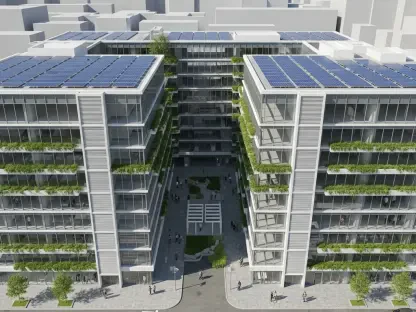
The value proposition of energy efficiency is being written into property deeds and lease agreements across the country, fundamentally altering how real estate professionals and their clients assess a building’s worth. A recent survey from the National Association of Realtors confirms this market evolution, with over half of its members now believing that promoting a property’s energy-efficient features adds tangible value. Furthermore, a third of realtors report that green certifications directly translate into higher property values, moving sustainability from a marketing buzzword to a concrete financial asset. The primary motivation for this shift is overwhelmingly economic; a staggering 70% of clients cite the desire for lower utility and operational costs as their main consideration. This focus on the bottom line is also driving interest in more advanced infrastructure. For instance, 35% of realtors have noted the growing importance of understanding solar panel transactions, indicating that buyers are not just looking for efficient appliances but are actively seeking properties that offer a degree of energy independence and long-term cost predictability.
A Powerful Engine for Economic Expansion
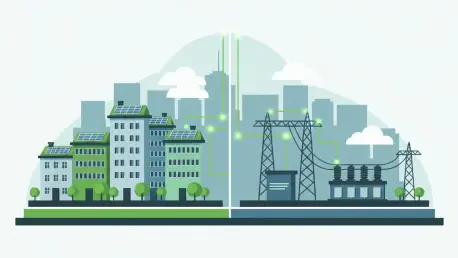
Beyond its impact on individual properties, the energy efficiency sector has emerged as a formidable engine for widespread job creation and a critical support system for the nation’s infrastructure. According to a recent report from the Building Performance Association, this industry now creates more jobs than any other energy sector, a remarkable testament to its rapid growth and economic significance. Employment in the sector has nearly doubled over the past four years, fueling a diverse workforce of technicians, engineers, auditors, and installers dedicated to retrofitting existing buildings and constructing new ones to higher performance standards. This economic benefit extends to the stability of the entire electrical grid. As highlighted in a recent House hearing, every efficient building lessens the overall energy demand, providing crucial support to an often-strained national infrastructure. By reducing peak loads, these upgrades enhance grid reliability, mitigate the risk of blackouts, and delay the need for costly new power generation facilities, providing a quiet but powerful contribution to national energy security and longevity.
A Resilient Market Driven by Necessity
The long-term outlook for the energy efficiency sector remained strong, even as discussions around potential shifts in federal policy, such as the phasing out of a key home improvement tax credit from the Inflation Reduction Act, took place. Industry leaders expressed a consensus that the market had reached a new level of maturity. The primary catalyst for consumer and business investment had decisively shifted from temporary incentives to the permanent reality of high and volatile energy prices. This economic pressure created a self-sustaining demand for energy-saving appliances and building upgrades. The financial calculus became straightforward for property owners: the long-term savings on utility bills offered a compelling and predictable return on investment that stood on its own merits. This organic, market-driven momentum was seen as the true indicator of the sector’s resilience and its cemented position as a financial and practical necessity in the modern economy.