
The traditional reliance on static architectural estimates often hides the significant environmental discrepancy between a project’s designed sustainability and its actual physical footprint. For decades, the construction industry operated under a model where architects specified low-carbon materials, yet the finished structure often told a different story upon completion. This inconsistency arose from supply chain shifts, manual data entry errors, and a lack of transparency during the active building phase.
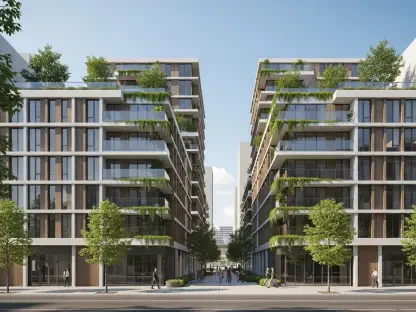
The partnership between the global firm NORR and the data platform Qflow in Toronto marked a departure from these educated guesses. By replacing assumptions with an automated, real-time audit of every material entering the site, this collaboration prioritized precision over projection. This shift addressed the logistical realities of the job site that frequently undermined sustainable designs, ensuring that the final “as-built” footprint remained consistent with the original vision.
Moving Beyond Theoretical Sustainability in the Built Environment
Modern construction demands a transition from speculative planning to empirical validation. While high-level designs may look green on paper, the complexity of managing hundreds of subcontractors often leads to the substitution of materials that carry a higher environmental price tag. The integration of automated tracking systems allowed project teams to move beyond the “predict and pray” approach that defined the industry for generations.
By establishing a digital gatekeeper at the construction site, firms now verify the carbon credentials of every truckload of concrete or steel. This level of scrutiny ensures that the sustainability goals set in the boardroom are actually realized in the dirt. Such transparency is no longer a luxury but a necessity for projects aiming to achieve the highest levels of environmental accreditation in a competitive market.
The Disconnect Between Design Intent and Construction Reality
The “carbon gap” represents a systemic failure where Lifecycle Assessments performed during the design phase fail to match the actual environmental impact of the completed structure. Historically, sustainability teams relied on retrospective data collection, which often arrived months after the materials were already poured or installed. This delay meant that corrections were impossible, and the building’s carbon footprint was locked in regardless of the initial intent.
As global standards like the Living Future Institute’s Zero Carbon Certification become more rigorous, the industry faces an urgent need to move past static spreadsheets. Embracing dynamic tracking allows for the identification of discrepancies the moment they occur. This proactive stance prevents the gradual erosion of sustainability targets that often occurs during the long and complex procurement cycles of major infrastructure projects.
Digital Oversight: How Real-Time Tracking Transforms the Job Site
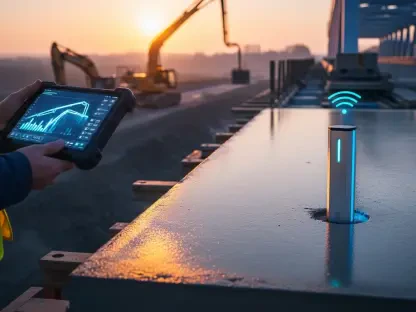
The integration of Qflow’s platform into North American projects allowed for the immediate verification of Environmental Product Declarations as materials arrived. This granular visibility enabled project managers to identify carbon-heavy anomalies in the supply chain before they were literalized in steel and concrete. By digitizing waste streams and material deliveries, firms maintained an auditable trail that satisfied strict certification requirements.
This digital oversight also streamlined the reporting process, reducing the administrative burden on site teams. Instead of chasing paper delivery notes and manual invoices, the system captured data automatically, providing a transparent look at the building’s true embodied carbon. This evolution in site management ensured that every material substitution was documented and analyzed for its environmental impact in real-time.
Expert Perspectives on the Value of Data-Driven Accountability
Industry leaders at NORR emphasized that this move toward integrated thinking was not just about environmental stewardship, but about protecting the long-term value of an asset. Expert analysis suggested that as-built carbon accounting was rapidly becoming an industry benchmark, shifting the burden of proof from the architect to the construction workflow itself. This shift ensured that the physical asset met the rigorous expectations of modern investors.
Early results from the Toronto flagship pilot demonstrated that having immediate access to verified data allowed for agile material substitutions. This capability significantly reduced the risk of “carbon creep,” where small, undocumented changes compounded into a significant environmental deficit. By fostering a culture of accountability, the industry began to bridge the gap between architectural aspiration and the practical realities of heavy construction.
Framework for Implementing Real-Time Carbon Monitoring
Successfully bridging the carbon gap required a move from passive observation to active data management throughout the project lifecycle. Firms established a digital baseline during the procurement phase and utilized automated capture tools to log every delivery and waste removal event. These strategies involved the real-time comparison of on-site materials against design specifications to ensure compliance with net-zero targets.
The use of centralized dashboards provided stakeholders with a transparent view of the project’s progress. This framework relied on the immediate identification of high-risk suppliers and the implementation of corrective actions before construction reached critical milestones. By adopting these rigorous data protocols, the industry ensured that theoretical sustainability finally aligned with the physical reality of the built environment.