
The transformation of Milwaukee’s historic Bronzeville district has reached a pivotal juncture as modern sustainable construction techniques begin to merge with the neighborhood’s rich cultural legacy. At the intersection of North Phillips Avenue and West Walnut Street, a new architectural vision is taking shape that prioritizes both environmental responsibility and community cohesion through the use of engineered wood. Sharon and Michael Grinker, the figures behind Sid Grinker Restoration, have spearheaded this specific redevelopment, moving forward with plans to replace a long-vacant four-unit apartment structure with a contemporary three-story office and retail hub. This initiative does not stand in isolation but serves as a continuation of their dedicated efforts to breathe new life into the Walnut Street corridor. By integrating mass timber technology into a neighborhood known for its historical significance, the project seeks to establish a blueprint for how mid-sized urban centers can evolve without losing their unique identity or their connection to the past.
Architectural Innovation: Balancing Modernity and Heritage
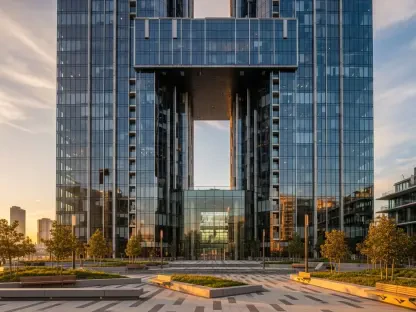
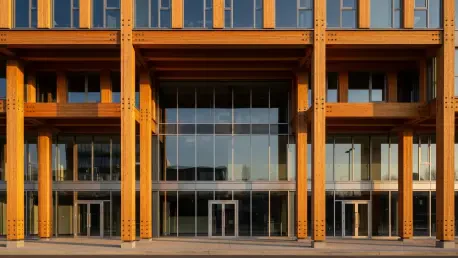
The choice of Korb Architects to lead the design phase brings a high level of technical expertise to the project, as the firm previously gained international recognition for completing The Ascent, which held the title of the world’s tallest mass timber hybrid tower. This new Bronzeville development utilizes similar mass timber hybrid construction, a method that strategically pairs engineered wood with traditional materials like steel or concrete to optimize structural integrity and carbon sequestration. Beyond the environmental benefits, the aesthetic appeal of exposed wood offers a warm, inviting atmosphere that contrasts with the sterile feel of conventional glass and steel office buildings. The decision to employ this specific technology reflects a growing trend in urban planning where developers prioritize long-term sustainability over traditional, less efficient building practices. By utilizing renewable resources, the project aligns with modern climate goals while providing a sophisticated space for local entrepreneurs and established businesses to flourish within a rapidly changing economic landscape.
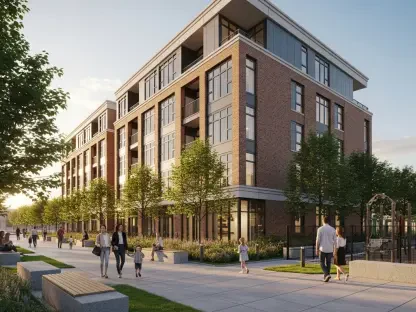
Originally envisioned as a more imposing seven-story structure, the project underwent a strategic downscaling to three stories to better harmonize with the existing architectural fabric of the Historic King Drive district. This adjustment ensures that the building remains at a human scale, fostering a sense of accessibility and belonging rather than overwhelming the streetscape with excessive height. Local stakeholders, including representatives from the Historic King Drive Business Improvement District, noted that this more intimate design successfully maintains the district’s aesthetic integrity while still providing impressive views of the downtown skyline. The revised floor plan features street-level retail or office space topped by two additional floors of premium office environments, with each floor spanning approximately 2,500 square feet. This thoughtful calibration of size and function demonstrates a commitment to “gentle density,” a concept where development adds value and activity to a neighborhood without disrupting its established character. Such careful planning is essential for gaining community trust and ensuring the project’s long-term commercial viability.
Strategic Revitalization: The Broader Corridor Context
The Grinkers have already established a proven track record of successful property revitalization along the Walnut Street corridor, which has laid the groundwork for this latest ambitious undertaking. Their previous work involved the meticulous renovation of several properties that now house vibrant local businesses such as Pilcrow Coffee, Sweetbush, and RetailWorks, effectively creating an ecosystem of commerce and culture. These earlier successes have demonstrated that strategic private investment can catalyze wider neighborhood improvements, attracting both foot traffic and additional capital to areas that were previously overlooked. The upcoming mass timber building is intended to bridge the gap between these existing hubs, creating a more continuous and walkable urban experience for residents and visitors alike. By focusing on high-quality materials and sustainable design, the developers are signaling a long-term belief in the economic resilience of Bronzeville. This approach moves away from speculative development toward a more rooted, community-focused investment strategy that emphasizes the preservation of local character while modernizing the neighborhood’s overall infrastructure and utility.
Complementing these private sector efforts, the City of Milwaukee is actively pursuing several initiatives designed to stabilize and enhance the surrounding urban environment through targeted redevelopment and historic preservation. The Department of City Development is currently soliciting innovative proposals for the Career Youth Development building and the revitalization of the adjacent Victory Over Violence Park, ensuring that public spaces remain functional and safe. Furthermore, municipal officials are making a concerted effort to safeguard the historic Hummel/Uihlein Building by seeking a developer willing to undertake the preservation of this landmarked property. These synchronized actions between the public and private sectors create a unified vision for Bronzeville, where new construction and historical conservation exist in a mutually beneficial relationship. The preservation of landmarked assets provides the cultural grounding necessary to make new developments like the mass timber project feel authentic and integrated. As the city continues to seek developers for these critical sites, the cumulative effect of these projects will likely redefine the corridor as a premier destination for both innovation and history.
Future Implementation: Steps Toward a Sustainable Urban Core
The project successfully transitioned through its primary design and permitting phases by the spring of 2026, marking a significant milestone in the preparation for active construction. Following the finalization of permits, the development team focused on the procurement of competitive bids and the securing of necessary financing to move the structure from blueprints to physical reality. This meticulous preparation ensured that the construction timeline remained on schedule, with the potential for ground-breaking activities to commence before the end of the year. The collaborative efforts between architects, city planners, and private investors demonstrated a robust framework for overcoming the logistical hurdles associated with advanced timber construction. By addressing potential challenges early in the process, the stakeholders ensured that the building would serve as a stable anchor for the intersection. The transition from planning to execution highlighted the importance of clear communication and shared goals among all parties involved in the urban renewal process, setting a strong precedent for future projects.
Stakeholders concluded that the successful integration of mass timber in Bronzeville offered a scalable model for sustainable urban growth in diverse neighborhoods across the country. The project proved that prioritizing high-quality, eco-friendly materials did not have to come at the expense of neighborhood character or economic feasibility. Moving forward, urban planners and developers looked toward similar hybrid models to meet increasing demands for green office space while supporting the revitalization of historically significant districts. The actionable takeaway from this development was the necessity of scaling projects to fit the specific needs of the local community, rather than applying a one-size-fits-all approach to urban density. By combining private capital with city-led preservation goals, Milwaukee provided a roadmap for creating vibrant, resilient commercial corridors that honored the past while embracing the future of construction technology. This initiative ultimately suggested that the future of city building resided in the careful balance of innovation and heritage, ensuring that the growth of the built environment remained both inclusive and environmentally responsible for the generations that followed.