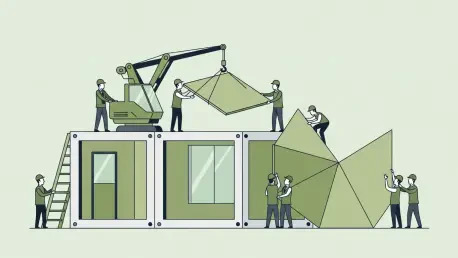

In the Sumy region, where the echoes of conflict have left countless families without a roof over their heads, a pioneering initiative is taking root, offering a novel solution that intertwines humanitarian aid with environmental stewardship. As communities grapple with the immense task of rebuilding, a charitable foundation has introduced an ambitious project to construct eco-friendly houses for those whose homes were destroyed by shelling and warfare. This program moves beyond traditional reconstruction by employing natural, sustainable materials like hemp and straw, creating dwellings that are not only designed to be resilient and long-lasting, with warranties extending up to a century, but also kind to the planet. The vision is to provide more than just shelter; it is about cultivating a sense of permanence and security for people who have endured profound loss, planting the seeds for a more stable and sustainable future in a region scarred by devastation. This approach represents a significant shift in post-conflict recovery, prioritizing both human dignity and ecological responsibility in the face of widespread destruction.
A Blueprint for Sustainable Reconstruction
The core of this ambitious rebuilding effort is a commitment to innovative construction methods that are both rapid and affordable. The plan, set to unfold over the next four years, aims to construct 450 of these specialized eco-homes, providing a tangible pathway to recovery for hundreds of families. The construction timeline for each home is remarkably efficient, estimated at just two to three months from foundation to finish. This speed is crucial in a context where the need for housing is immediate and overwhelming. Furthermore, the cost is managed at approximately 37 euros per square meter, a figure made feasible through strategic partnerships and support. Funding from the Dutch government plays a pivotal role, allowing the foundation to supply essential building materials to participants at cost, removing a significant financial barrier. Of the total homes planned, 100 are designated as “turnkey” projects, which will be fully co-financed for the most vulnerable individuals and families, ensuring that those with the fewest resources are not left behind in the reconstruction process. This model creates a scalable blueprint for recovery that could be replicated in other affected areas.
Bridging the Financial Gap for Families
Recognizing that even reduced construction costs can be prohibitive for many displaced families, the program incorporates a robust financial support system centered on compassion and equity. The primary mechanism for participation involves the use of the government’s housing certificate program, a national effort to compensate citizens who have lost their homes. However, understanding that these certificates may not always cover the full expense of a new home, the foundation has established a critical co-financing structure. This mechanism can provide up to 10,000 euros in additional aid, specifically targeting low-income and vulnerable populations who need it most. A special scale was developed to prioritize this support, taking into account factors such as disability, the status of single-parent households, and the immense hardship faced by families of killed or captured soldiers. This thoughtful, needs-based approach was recently presented to residents of the Velyka Pisaryvka community, an area that has suffered immensely with over 240 homes destroyed, underscoring the urgent relevance of this comprehensive and humane initiative.