
The city of Bowling Green is currently navigating a pivotal transformation of its municipal landscape, prioritizing the consolidation of government operations to better serve a rapidly expanding population. This strategic shift is not merely a response to the natural wear and tear of physical structures but a proactive reimagining of how a modern city should function in an era defined by high expectations for accessibility and speed. At the heart of this initiative lies the dual goal of centralizing administrative services into a singular, cohesive campus while simultaneously decentralizing public safety resources to ensure that emergency response times remain low as the city’s geographic footprint stretches eastward. By moving away from a fragmented network of aging buildings, local officials are laying the groundwork for a more resilient and integrated urban governance model. This approach addresses the inherent inefficiencies of operating out of century-old facilities that were never designed for the technological or logistical demands of the current decade, ensuring that the local government can maintain its high standards of community service well into the future.
Integrating Municipal Operations through Centralized Design
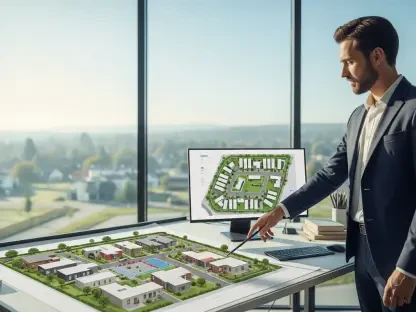
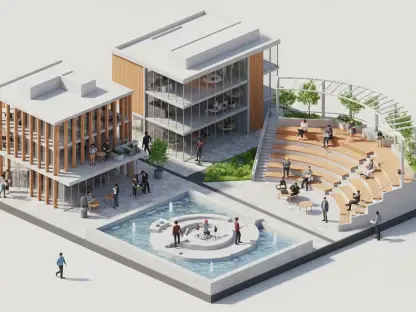
The primary focus of this infrastructure overhaul is the development of a state-of-the-art, 60,000-square-foot government building intended to act as a unified hub for various city departments. By partnering with JRA Architects to lead the design and engineering phase, the city is moving toward a model that replaces several office spaces that have long since exceeded their functional lifespans. Currently, municipal services are scattered across four distinct locations, some of which date back nearly seventy years, while the historic City Hall has stood for over twelve decades. This geographic fragmentation has historically created significant hurdles for residents attempting to navigate local government, often requiring trips to multiple sites to resolve simple administrative tasks. The new facility will house Public Works, legal departments, and the offices of the mayor and city manager under one roof, effectively creating a “one-stop-shop” environment that prioritizes the user experience of every citizen. This consolidation is expected to foster better inter-departmental communication and a more agile administrative culture.
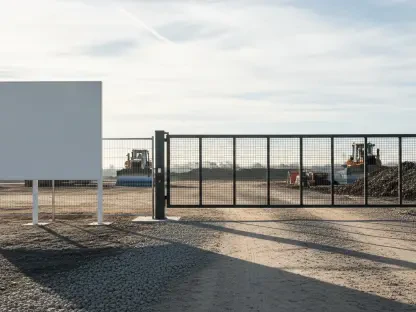
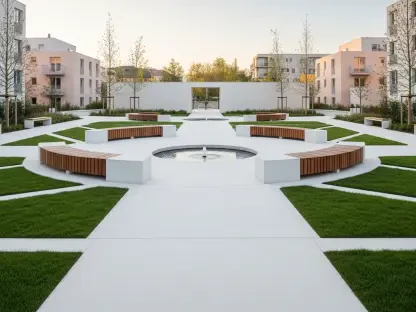
Beyond mere functional consolidation, the project represents a sophisticated blend of new construction and historic preservation that respects the city’s architectural legacy. While several outdated and non-essential structures will be demolished to clear the 2.5-acre downtown site, the original City Hall building will undergo a targeted renovation to ensure it meets modern building codes and energy efficiency standards. This “light renovation” strategy allows the city to upgrade internal systems—such as HVAC, electrical, and digital networking—without stripping the building of its early 1900s character. By maximizing the utility of the existing downtown footprint, Bowling Green avoids the financial and environmental costs associated with acquiring new land on the outskirts of the city. This commitment to urban infill development ensures that the civic heart of the community remains vibrant and accessible, reinforcing the downtown area as the primary center of gravity for local governance. The result is a campus that honors the past while providing the technological infrastructure necessary for modern public administration.
Strategic Financing and Long-term Fiscal Planning
Funding a project of this magnitude requires a sophisticated financial strategy that balances immediate needs with long-term fiscal health. With an estimated price tag of $30 million for the new government campus, the city is leveraging its current status of having nearly zero debt to utilize its significant bonding capacity. By securing bonds at fixed rates, the city can distribute the cost of this massive capital investment over several decades, ensuring that the project does not deplete the liquid reserves needed for day-to-day operations or unforeseen emergencies. This approach allows the city to build for the next century of growth without imposing a sudden, heavy burden on the current tax base. Furthermore, the decision to renovate the historic City Hall opens the door for approximately $1 million in state historic tax credits, a savvy move that offsets a portion of the construction costs. This combination of debt management and tax incentives demonstrates a fiscally conservative yet forward-thinking approach to urban development, positioning the city to remain financially stable while modernizing its core assets.
The construction timeline for the new government center is projected to span approximately three years, a period during which the city will transition from its current fragmented state to a fully integrated environment. This investment is not just about square footage; it is about creating a workspace that can evolve alongside the community for the next 50 to 100 years. The new City Commission chambers will be equipped with modern audiovisual and communication technologies, facilitating greater transparency and public participation in local governance. In an era where digital connectivity is as vital as physical infrastructure, the design of the new building prioritizes high-speed data networks and flexible office layouts that can adapt to changing workforce trends. By investing heavily in the quality and durability of the build now, Bowling Green is effectively pre-empting the high maintenance costs that typically plague older, piecemeal facilities. This proactive stance ensures that future generations of city employees and residents will inherit a functional, efficient, and well-maintained civic infrastructure that does not require constant, emergency-level intervention.
Optimizing Public Safety and Emergency Response Reach
While the centralization of administrative services improves efficiency, the city is taking the opposite approach with public safety by decentralizing its police force to match geographic growth. The acquisition of a 2.35-acre property on Bryant Way for $3.1 million is a direct response to the rapid residential and commercial development occurring on the eastern side of the city. For years, the police department has faced a logistical bottleneck at its central headquarters on Kentucky Street, where officers must navigate heavy traffic congestion on Scottsville Road to reach emergencies in the eastern corridors. Even with sirens and lights, response times can be hindered by the sheer volume of vehicles on major thoroughfares. By establishing a dedicated precinct on the east side, the department can position officers closer to high-growth neighborhoods, significantly cutting down the minutes it takes to arrive on the scene of an accident or crime. This strategic placement reflects an “adaptive modernization” philosophy where resources are deployed based on actual population density and traffic patterns rather than historical precedents.
The decision to purchase and renovate an existing 18,000-square-foot building rather than embarking on a ground-up construction project was a deliberate choice to expedite the expansion. By acquiring a facility that is already structurally sound, the city avoids the potential delays, supply chain issues, and rising material costs often associated with new construction. This facility will not only serve as a base for patrol officers but will also feature specialized training infrastructure, such as an on-site shooting range, which is critical for maintaining high standards of law enforcement proficiency. The transition is planned to be seamless, with a temporary lease-back agreement allowing the current owner to vacate the premises while the city prepares for its own move-in. Once fully operational, the Bryant Way precinct will serve as a vital node in the city’s safety network, ensuring that the police force remains agile and visible in the areas where it is most needed. This expansion represents a clear commitment to maintaining a safe environment even as the city’s borders continue to push outward into previously undeveloped areas.
Advancing Sustainable Growth through Civil Modernization
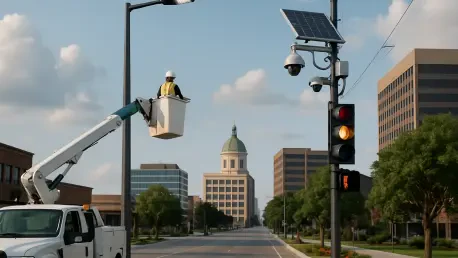
The conclusion of these infrastructure projects will mark a transformative era for Bowling Green, moving the city from a reactive maintenance posture to a proactive model of urban management. As these facilities become operational over the next few years, the focus must shift toward maximizing the benefits of this new physical foundation. For the administrative side, this means implementing digital-first services that take full advantage of the centralized campus, reducing the need for physical paperwork and streamlining the permit and licensing processes for local businesses. The city should consider these new buildings not just as offices, but as platforms for better civic engagement. Future considerations should include the integration of smart-city technologies, such as synchronized traffic management and energy-efficient building automation, which can be easily incorporated into the new infrastructure. These steps will ensure that the initial $30 million investment continues to pay dividends in the form of lower operating costs and higher service quality for all residents.
Regarding public safety, the establishment of the eastern precinct was a necessary first step, but it also provides a blueprint for how the city might continue to scale its emergency services. As development continues toward the north and south, the city should evaluate the potential for additional satellite precincts or “micro-stations” that can further reduce response times and increase officer visibility. The inclusion of on-site training facilities at the new precinct sets a high bar for professional development, and the city would do well to expand these programs to include crisis intervention and community policing workshops. Moving forward, the past tense of these construction phases will be viewed as the moment when Bowling Green successfully balanced its rich historical identity with the undeniable demands of a 21st-century metropolitan area. By prioritizing fiscal responsibility and strategic resource placement, the city has created a sustainable framework that will support growth, safety, and administrative excellence for many decades to come.