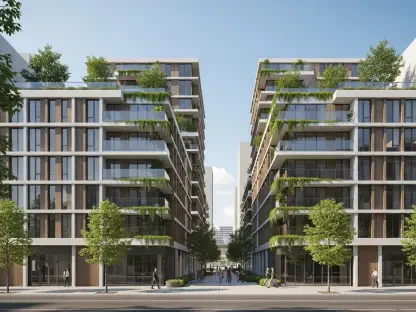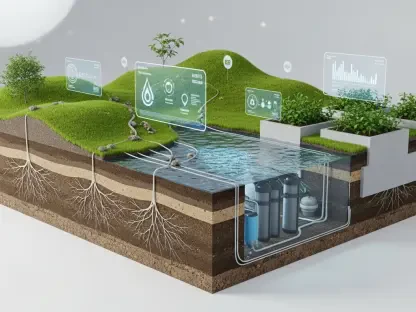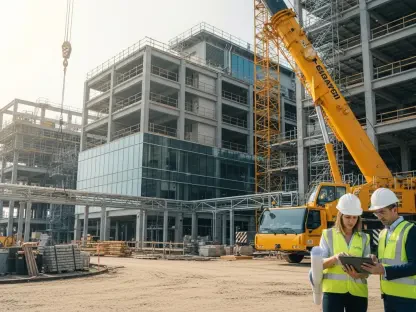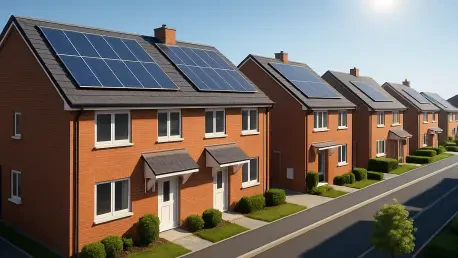

The quiet hum of an air source heat pump and the gleaming reflection of solar panels now define the skyline of neighborhoods that once struggled with the biting chill of drafty windows and outdated heating. By reaching the monumental milestone of 4,000 completed energy retrofits, believe housing has transitioned from the realm of ambitious planning into the practical reality of large-scale decarbonization. This achievement represents a fundamental shift in how social housing is managed, prioritizing the comfort of residents while directly addressing the environmental footprint of the organization’s extensive property portfolio.
For the thousands of families residing in these modernized units, the project offers a reprieve from the anxiety of fluctuating energy markets. The focus on households previously rated at an Energy Performance Certificate (EPC) level of D or lower ensures that those most at risk of fuel poverty receive the most immediate support. By bridging the gap between social equity and environmental responsibility, the initiative demonstrates that a greener future is not a luxury for the few, but a necessary standard for all.
Tackling the Dual Challenges: Fuel Poverty and Climate Change
The urgency of this project is rooted in the aging infrastructure that often characterizes social housing, where poor insulation acts as a barrier to both warmth and financial stability. Properties with low EPC ratings fail to retain heat, forcing tenants to spend disproportionate amounts of their income on utility bills just to maintain a basic level of comfort. This cycle of inefficiency not only burdens the individual but also contributes significantly to the national carbon footprint, making residential upgrades a critical frontier in the fight against climate change.
By targeting these specific vulnerabilities, the program acts as a protective shield for residents against the volatility of external energy costs. The upgrades move beyond aesthetics, focusing on the structural integrity and thermal performance of each building. This dual-purpose strategy ensures that while the organization works toward its net-zero obligations, it simultaneously elevates the quality of life for its customers, proving that sustainability and social welfare are inextricably linked.
The Financial Framework: Technical Scope of the Project
A massive logistical undertaking of this scale requires a robust financial architecture to move from a pilot phase to industrial-level execution. The project is fueled by a total investment exceeding £34.4 million, which includes over £18 million in crucial grants from the Social Housing Decarbonisation Fund and the Warm Homes: Social Housing Fund. This capital infusion allows for a comprehensive “whole-house” methodology, ensuring that every intervention is part of a larger, synchronized system designed to maximize energy retention and reduce waste.
Technically, the scope of work is as diverse as the architecture of the homes themselves. Beyond simple insulation, contractors have installed high-efficiency solar arrays, advanced heating controls, and ventilation systems that prevent dampness and mold. In many instances, traditional gas boilers have been replaced with air source heat pumps, a move that significantly lowers carbon emissions. These interventions are tailored through detailed property surveys, ensuring that the specific thermal needs of each bungalow or house are met with precision.
Collaboration: The Human Impact of Neighborhood Regeneration
The successful rollout of these upgrades hinges on a deep strategic partnership with the RE:GEN Group, whose expertise has enabled believe housing to manage complex retrofitting at an impressive scale. This collaboration goes beyond the mere installation of hardware; it involves a shared commitment to community health and the long-term viability of the housing stock. By working together, these organizations have transformed the physical landscape of entire streets, creating a sense of pride and stability that extends far beyond the interior walls of the renovated homes.
The human element of this regeneration is best seen in the experiences of residents like Peter Tickle, whose home underwent a total transformation including a new roof and brickwork repointing alongside green technology. Such comprehensive care illustrates that energy efficiency often serves as a catalyst for broader property maintenance, addressing structural issues that might otherwise have been neglected. Stakeholders note that a warm, dry, and efficient home is a cornerstone of public health, reducing the incidence of respiratory issues and improving the general well-being of the population.
Strategies: Future-Proofing Social Housing Portfolios
To maintain this momentum, the program utilizes a structured framework designed for long-term resilience rather than temporary fixes. This systematic approach provides a scalable blueprint that other housing associations can adopt to balance their financial stability with aggressive carbon reduction targets. By integrating cutting-edge green technology with tried-and-true insulation methods, the project has established a clear pathway toward achieving a portfolio-wide EPC C rating by 2030.
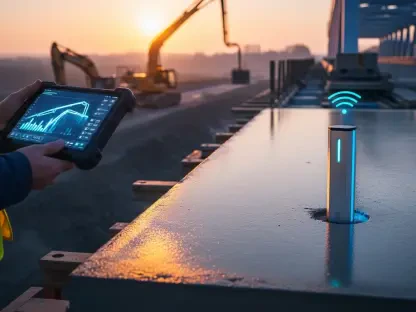
As the initiative progressed toward its future goals, the focus shifted to monitoring performance and ensuring that the newly installed systems continued to deliver maximum efficiency. Maintenance teams and data analysts began working in tandem to track energy savings, providing a wealth of information that informed subsequent phases of the rollout. This proactive stance ensured that the organization remained a leader in sustainable housing, setting a high bar for the industry while securing a warmer, more affordable future for its tenants.