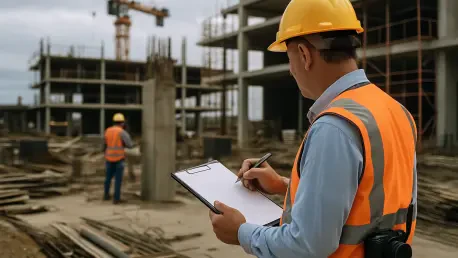

On construction projects, cost overruns are common, often stemming from rework, delays, and safety incidents driven by a single overlooked issue: the manual inspection process. The clipboard, the camera, and the seasoned eye of an inspector are traditions, but they are also fallible, slow, and increasingly inadequate for the complexity of modern builds.
This reliance on traditional methods creates a constant drag on project velocity and profitability. It introduces human error, creates data silos, and exposes teams to unnecessary safety risks. The industry needs a new inspection paradigm, one built not on intuition alone but on comprehensive, artificial intelligence-driven data analysis. Autonomous inspection is a practical solution to the inefficiencies in construction and industrial asset management.
The Limits of Legacy Inspection Methods
Routine inspections are the bedrock of asset performance, site safety, and regulatory compliance. Yet the manual processes involved, from data collection and documentation to analysis and reporting, consume enormous time and resources. A thorough inspection of a large structure or industrial facility can take days or even weeks, depending on its scope.
Beyond the resource drain, these methods carry inherent flaws that directly impact project outcomes.
Persistent Safety Risks: Manual inspections often require working at extreme heights, in confined spaces, or near high-voltage equipment. Every time a worker is dispatched to these hazardous environments, the project assumes significant, often unnecessary risk.
The High Cost of Human Error: Manual data entry is prone to mistakes. More subtly, the interpretation of visual data varies between inspectors based on their experience and even their level of fatigue. This inconsistency leads to missed defects and unreliable compliance records.
A Growing Skills Gap: The construction and industrial workforce is aging. As experienced inspectors retire, firms face a shrinking pool of qualified experts capable of identifying subtle yet critical issues in complex assets such as turbines, welding seams, and electrical systems.
Some organizations turn to sensor technology as an alternative, but this approach has its own limitations. While useful for monitoring specific performance metrics, sensors often fail to capture crucial visual context. They cannot easily detect surface-level defects like corrosion, hairline cracks in concrete, or material degradation. Furthermore, retrofitting assets with sensors can be expensive and may require disruptive equipment shutdowns.
The Shift to Artificial Intelligence-Powered Autonomous Inspection
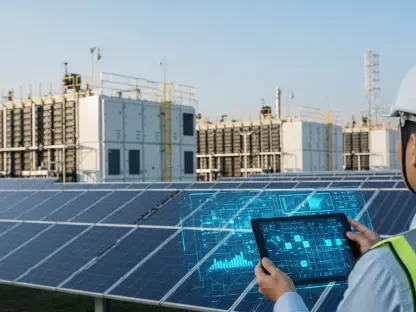
Autonomous inspection leverages computer vision, a field of artificial intelligence, to automate the analysis of visual data from cameras. The system uses fixed or mobile cameras, including drone-mounted cameras, to capture high-resolution images and thermal data. These images are then processed by machine learning models trained to identify specific conditions.
Images are fed to an artificial intelligence application, which analyzes them to extract key data points: pressure gauge readings, temperature anomalies, or the extent of corrosion. This visual information is converted into structured, time-series data that can be integrated with Asset Performance Management and project management platforms.
When the system detects an anomaly or a reading that crosses a predefined threshold, it automatically generates an alert or recommendation. A subject matter expert can then review the findings and provide feedback that continuously refines the algorithm’s accuracy over time.
Artificial Intelligence on the Job Site: From Theory to Practice
Structural Integrity and Quality Control: Drones equipped with high-resolution cameras can inspect every weld on a steel structure or scan a concrete facade for cracks invisible to the naked eye. The artificial intelligence classifies defect severity, flagging them for remediation long before they become structural problems. One general contractor used this method on a high-rise project, reducing facade inspection time from two weeks with a crew on scaffolding to just two days with a single drone operator.
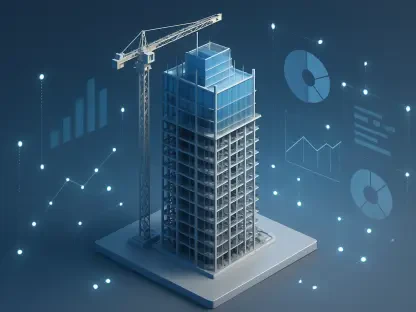
Progress Monitoring and Rework Prevention: By conducting regular aerial scans of a job site, artificial intelligence can compare the as-built reality against the Building Information Modeling design. This process of as-built verification identifies deviations early, preventing the costly rework that, according to industry estimates, accounts for 12% to 15% of total construction costs, constituting billions of dollars annually in the United States alone. Catching design deviations before they become structural problems is one of the most effective ways AI-driven inspection systems protect project budgets and timelines.
A Mini-Case Study in Efficiency: A firm managing the construction of a large pipeline used drones to monitor for corrosion. Traditionally, this required inspectors to walk miles of pipeline over several weeks. With an autonomous system, a drone completed the visual data capture in three days. The artificial intelligence analyzed the imagery and delivered a prioritized list of maintenance tasks in under 30 minutes, a process that previously took two weeks of manual review.
Enhanced Worker Safety and Compliance: Fixed cameras integrated with computer vision can monitor a site 24/7 for safety compliance. The artificial intelligence automatically detects if workers are in restricted zones, identifies missing personal protective equipment, or spots potential fall hazards. This provides an objective, time-stamped record for compliance audits while preventing incidents before they happen. The indirect costs of construction workplace injuries and diseases were estimated to be $183 billion, which is 2.7 times higher than the direct medical costs of approximately $67 billion. This underscores the enormous financial burden that AI-powered safety monitoring can help prevent.
Visual Insights That Drive Better Decisions
By integrating visual data with Asset Performance Management and Enterprise Resource Planning systems, organizations create a unified view of asset health and project status.
Closing the Loop on Maintenance: An inspector captures an image of a corroded component on a mobile device. The artificial intelligence analyzes it, quantifies the damage, and automatically creates a work order in the Asset Performance Management system with all relevant data attached.
Predicting Equipment Failures: Thermal data from a camera monitoring an electrical transformer feeds into a predictive maintenance application. The system identifies overheating trends that signal an impending failure, enabling proactive repairs that avoid costly downtime.
Centralizing Project Data: Inspection images, reports, and analysis are consolidated within a single project management platform. All stakeholders, from the site supervisor to the project executive, work with the same information. Poor communication and inaccessible data are leading causes of project failure.
A New Standard for Construction Intelligence
The shift from manual to autonomous inspection is a fundamental change in how construction projects and industrial assets are managed. By replacing subjective, inconsistent processes with standardized, data-driven analysis, organizations reduce errors, improve safety, and gain control over project outcomes that were previously impossible.
This technology enables teams to move from a reactive to a proactive posture, predicting and preventing problems. It scales expertise, allowing a single senior engineer to remotely oversee the integrity of multiple sites without ever leaving the office.
Adoption requires investment in technology and a cultural willingness to trust data over instinct. The firms that master this transition will complete projects faster, at lower cost, and with fewer risks. They will set a new standard that their competitors will struggle to match.