
A late-stage change order. A layout that doesn’t work. A finish stuck in transit. These aren’t just oversights. They’re symptoms of a flawed assumption: that design comes after the build. Today, that approach costs time, money, and value. Designers are now strategic partners, shaping projects from the start to meet rising demands for sustainability, wellness, and long-term performance. This article explores how early design integration drives better construction outcomes, resolving issues sooner and delivering spaces that work as well as they look.
Reframing the Role of Design
The designer’s role has expanded far beyond selecting finishes at the end of a project. Today, they’re embedded at the blueprint stage, shaping the spatial DNA before a single wall is framed. This shift recasts designers as early-stage strategists, not post-construction stylists.
Rather than being brought in to choose colors and textures, modern designers are driving foundational decisions: How will people live, work, and move through the space? Their input might adjust a kitchen layout to accommodate multiple cooks, specify subtle path lighting for safe nighttime use, or reorient a living area to maximize daylight. Design becomes the engine of functionality, not a decorative layer added at the end.
This proactive, use-first approach solves problems before they emerge and minimizes the need for costly redesigns later. It’s also a key driver behind the growing popularity of design-build delivery, which has increased by 18% in the past five years by formalizing early collaboration across disciplines.
When implemented within an integrated design-build model, this elevated role becomes even more powerful. Breaking down silos between design, architecture, and construction creates a continuous dialogue in which creative vision is informed by real-world constraints and every decision serves a unified project outcome.
Driving Environmental, Social, and Governance Through Specification
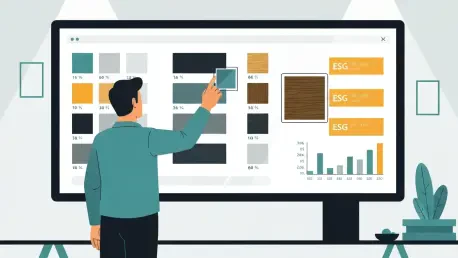
As the role of design expands upstream in the process, it also deepens its strategic impact, particularly in meeting today’s Environmental, Social, and Governance (ESG) goals. Design has evolved from intuitive artistry to informed strategy, driven by data and powered by digital tools. Modern designers rely on sophisticated specification software and centralized platforms to make smarter, more strategic choices that go far beyond aesthetics.
With access to environmental product declarations, certifications such as the Forest Stewardship Council and GREENGUARD, and full supply chain transparency, designers can evaluate materials based on measurable factors: durability, maintenance needs, environmental impact, and health performance. It’s no longer just about the right look; it’s about lasting function and sustainable value.
This shift has positioned designers as key players in meeting ESG targets. From specifying low-VOC materials to optimizing daylight and designing for energy efficiency, their decisions directly impact outcomes tied to certifications like LEED and the WELL Building Standard.
The payoff is real: buildings with verified sustainability credentials are commanding rental premiums of up to 20%. By connecting ESG ambitions to buildable outcomes, designers have become strategic partners, delivering spaces that are not only smarter and safer but also built for long-term return.
Turning Plans Into Reality with Designer On-Site Involvement
With strategy and sustainability in place, successful outcomes depend on execution, requiring designers to continue to deliver impact on the job site. A designer’s role doesn’t end with the drawings; it extends to the job site. Their on-site presence is critical, acting as the bridge between design intent and built reality. This active involvement helps catch costly missteps before they happen.
On-site, designers verify that installations align with the approved vision, collaborate with trade partners on complex details, and address unexpected site conditions in real time. It’s a form of proactive risk management that can save significant time and money, especially considering that a single change order can cost thousands and derail a tightly managed schedule.
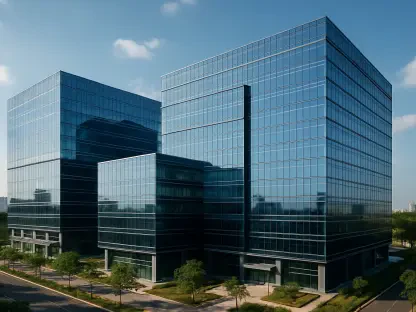
Take, for example, a hypothetical 50,000-square-foot office build-out. When the design team remains engaged during construction, they flag a clash between the plan light fixtures and the ceiling grid before installation. Early intervention can save two weeks or more in rework and costs.
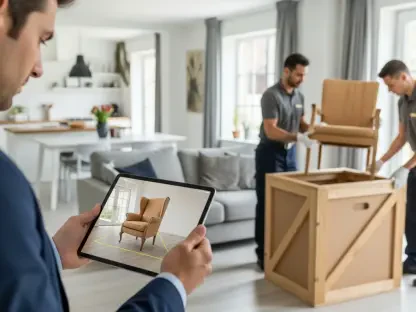
Beyond oversight, designers often coordinate the procurement and delivery of finishes, fixtures, and furnishings, ensuring everything arrives on time and aligns with the project schedule. Their hands-on role ensures that what’s delivered isn’t just close to the original vision, but a precise, fully realized version of it.
Making Integration Real: Where to Start
The benefits of strategic insight, ESG alignment, and real-time execution only happen when the model is intentionally designed to support them. Segmenting design and construction may be traditional, but it’s also fundamentally flawed. When designers are brought in only after critical decisions are made, the result is often inefficiency, rework, and missed opportunities for impact.
By embedding designers from day one and giving them the tools and authority to shape outcomes, projects shift from fragmented to fully aligned. Human experience, sustainability, and long-term value become guiding principles.
Here is a brief plan to embed this model into your next project:
First 30 Days: Redefine the Project Brief. Involve your lead designer in early stakeholder meetings with the architect and general contractor. Ask them to create a “Functional Experience” brief that maps out how people will use the space, so that design intent guides all foundational decisions.
Next 30 Days: Mandate a Shared Digital Platform. Implement a shared digital platform where architectural plans, specs, and material approvals live in one place. Grant the design team decision-making power on substitutions to safeguard ESG targets and design integrity.
Next 60 Days: Formalize On-Site Collaboration. Schedule weekly walkthroughs with the designer, site super, and key trades. Use these sessions to flag and solve execution challenges early. Track how many issues are resolved before they require rework; it’s a KPI that speaks volumes.
When design is integrated from the start, quality isn’t just delivered; it’s built in. It becomes a shared standard across every phase, every trade, and every decision.
Conclusion
In a construction landscape defined by rising complexity, tighter margins, and growing demands for sustainability and performance, the designer’s role has become indispensable. When modern design is integrated early, designers make better decisions, reduce risk, and elevate outcomes not just for aesthetics but also for efficiency, well-being, and long-term value.
The takeaway is clear: bringing design to the table early isn’t just a creative choice; it’s a business decision that pays dividends at every stage of the build. It’s time to stop treating design as the final step and start using it as your project’s strategic advantage.