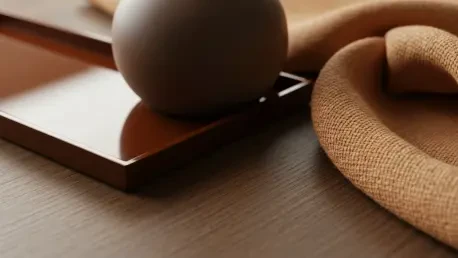

A profound philosophical shift in interior design is reshaping the very definition of a modern home, moving decisively away from the cool, austere minimalism that has dominated recent years toward spaces that exude warmth, authenticity, and a rich sense of personal history. This burgeoning “layered vintage” aesthetic favors an atmosphere that feels thoughtfully curated over time, prioritizing comfort and emotional resonance above fleeting trends. At the very heart of this movement is the strategic re-emergence of one foundational color that has come to define the current design landscape: brown. Industry analysis confirms this turn, with a recent trend report from 1stDibs revealing that chocolate brown is the top color designers are implementing, with an impressive 33% selecting it as their primary choice. This figure, which has nearly doubled since 2022, highlights a clear departure from impersonal neutrals and firmly positions brown as the essential anchor for creating interiors that are both stylish and deeply meaningful.
The Inherent Power of a Grounding Hue
Brown’s greatest strength lies in its remarkable ability to anchor a room, imparting instant depth and sophistication without demanding to be the center of attention. Unlike bold, saturated colors that can easily overwhelm a space, shades of brown operate as a stabilizing background element, creating a solid and reassuring foundation. Upon this base, other colors, unique textures, and cherished objects can be layered with intention, allowing individual pieces to tell their story without contributing to visual chaos. It is this unobtrusive yet powerful presence that makes brown the perfect canvas for the layered vintage look, where personal expression is paramount. This quality allows designers and homeowners alike to build a complex, character-rich environment that feels cohesive rather than cluttered, providing a sense of order and calm amidst a diverse collection of furnishings and decor from various eras.
The color is also widely celebrated for its inherent timelessness and longevity, qualities that are increasingly sought after in a world of fast-moving trends. Brown is not a fleeting fad but a constant in the annals of design history, consistently appearing in the most enduring and admired interiors of the 20th century. Classic pieces such as rich tobacco leather armchairs, warm walnut sideboards, and deep chocolate-colored textiles are perpetually in demand on vintage marketplaces, underscoring that an investment in brown is a sound, long-term choice that will not fall out of style. Furthermore, a key component of the vintage aesthetic is the beauty of imperfection, and materials in shades of brown age with exceptional grace. Wooden furniture, leather upholstery, and amber-hued glass develop a natural patina over time that adds character, narrative, and a unique softness to a space, making a room feel more grounded and inviting.
From Mid-Century Moods to 70s Glamour
While traditionally associated with distinguished heritage homes, designers are now enthusiastically embracing brown to evoke a sophisticated, modern interpretation of mid-century and 1970s glamour. This revival is far from a kitschy, period-specific recreation; instead, it is a curated and indulgent aesthetic built upon a rich palette of deep browns, burnished reds, warm oranges, and opulent metallic accents. In these expressive and character-driven designs, brown serves as the crucial grounding element that holds the entire scheme together. It provides a sophisticated and stable base that allows bolder colors and more glamorous finishes—such as mirrored furniture, sculptural gold fixtures, and thick shag pile rugs—to thrive without overwhelming the senses. The result is an interior that feels warm, personality-rich, and luxuriously indulgent, perfectly capturing a modern sense of sophisticated comfort and confident style.
Perhaps its most compelling advantage in today’s eclectic design landscape is its remarkable versatility. Brown effortlessly bridges decades, styles, and materials, making it the ideal choice for homeowners who enjoy mixing cherished vintage finds with contemporary pieces. A classic 1970s walnut coffee table, for instance, can look just as chic paired with a sleek, modern modular sofa as it does with a traditional Persian rug, demonstrating its unique ability to unify disparate elements. This adaptability makes it the ultimate harmonizer for a layered home, allowing for a fluid and personal approach to decorating. A caramel-toned leather armchair can introduce organic warmth into an otherwise minimalist space, while a dark-stained sideboard can add necessary visual weight to an eclectic room, proving that brown is not just a color but a strategic tool for creating balanced and cohesive interiors.
A Guide to Styling with Brown
The key to creating a successful brown-centric interior is to layer different tones and finishes to avoid a flat, one-dimensional appearance. By artfully mixing deep chocolate and espresso hues with lighter caramel, taupe, and rich walnut shades, a designer can create immense visual depth and complexity. Contrast is equally important. Pairing varied finishes—such as a glossy lacquered piece next to matte wood, or a smooth leather surface against soft, woven textiles—keeps the aesthetic feeling dynamic, contemporary, and engaging. This thoughtful approach to layering ensures that the space feels rich and textured rather than heavy or monotonous. It encourages a tactile experience, inviting inhabitants to appreciate the interplay of different materials and surfaces, which is fundamental to the layered vintage aesthetic and its emphasis on a sensory, lived-in environment.
To prevent brown-heavy rooms from feeling overly dark or somber, it is essential to pair the color with contrasting elements that introduce light and balance. Glass, mirrored surfaces, and polished metallic accents like brass or gold are particularly effective, as they reflect light and add a touch of glamour that beautifully lifts the richer shades. Similarly, pairing brown furniture or walls with light-colored upholstery, natural stone like travertine or marble, or crisp white architectural trim creates a sophisticated and balanced scheme well-suited to a modern “quiet luxury” aesthetic. For those seeking a more immersive and transformative effect, brown paint offers a powerful solution. Deep chocolate and espresso hues used on walls, cabinetry, or even ceilings can create an incredibly enveloping and cozy atmosphere, fostering a sense of intimacy and cocooning that is perfect for spaces designed for relaxation and comfort.
Crafting a Legacy of Authenticity
The widespread embrace of brown in interior design ultimately represented more than a fleeting trend; it signaled a collective desire for homes that felt personal, lived-in, and layered with history. By prioritizing this grounding, versatile, and enduring hue, designers and homeowners moved away from the pursuit of impersonal perfection and instead focused on creating spaces that told a unique story. The successful application of brown provided the perfect foundation for interiors where other elements could breathe and shine, resulting in environments that were both sophisticated and deeply comforting. This strategic choice became the cornerstone for crafting homes that felt authentically collected and cherished, a clear reflection of a deeper cultural shift toward valuing substance, longevity, and personal narrative over transient styles.