
A profound transformation is taking place across Houston’s residential landscapes, where meticulously manicured but rarely used yards are being reimagined as dynamic, multi-purpose extensions of the home. This shift moves beyond mere aesthetics, driven by the practical demands of modern family life and the undeniable realities of a challenging regional climate. Homeowners are no longer content with a backyard that serves only as a visual backdrop; they now seek durable, functional, and resilient outdoor environments built for living, playing, and gathering. This evolution reflects a deeper understanding that a truly valuable outdoor space must cater to daily activities and withstand environmental pressures, marking a decisive move from ornamental gardens to livable sanctuaries designed for the long term. This new philosophy is reshaping how landscape professionals approach their craft, blending timeless design principles with innovative, sustainable solutions to create spaces that are both beautiful and built to last.
Designing for Daily Life
From Ornaments to Playgrounds
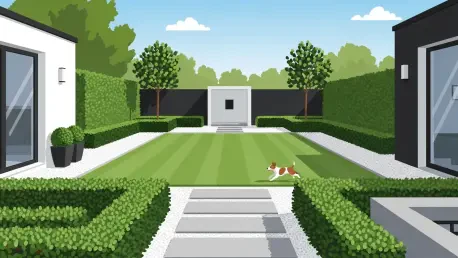
The design philosophy for contemporary Houston backyards is increasingly centered on their most energetic inhabitants: children and pets. This user-centric approach has led to the creation of spaces that are less like static displays and more like interactive playgrounds. For instance, landscape architects are incorporating clever features such as soft, white gravel perimeter paths. These pathways provide a dedicated circuit for dogs to run freely without damaging a central lawn, which is then preserved as an expansive, open area for children’s activities and toys. This thoughtful integration of elements ensures that the garden becomes an “artful” and engaging environment that encourages creativity and active play. The focus on utility extends beyond playtime, manifesting in practical considerations for hosting and entertaining. This includes the strategic expansion of hardscape surfaces to comfortably accommodate guests for outdoor dining and socializing, as well as the crucial inclusion of sufficient shade structures to make these spaces tolerable and inviting during Houston’s notoriously warm months.
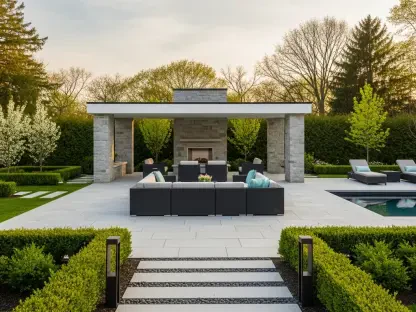
This functional transformation prioritizes the creation of versatile outdoor rooms that serve a variety of purposes throughout the year. The traditional concept of a patio is evolving into a fully-equipped living area, with comfortable seating, outdoor rugs, and sophisticated lighting systems that extend usability well into the evening. The demand for outdoor kitchens has also surged, moving beyond simple barbecue grills to include built-in appliances, sinks, and preparation areas that facilitate seamless alfresco dining. This shift underscores the desire for a backyard that is not just visited but inhabited. By carefully zoning the space for different activities—a quiet corner for relaxation, a central hub for social gatherings, and open zones for recreation—designers are crafting highly personalized environments. These spaces are tailored to the specific lifestyle of the homeowners, ensuring that every square foot is optimized for daily enjoyment and making the backyard an indispensable part of the home’s living footprint.
Blending Classic Style with Modern Needs
While prioritizing modern functionality, Houston designers are not abandoning the foundational principles of classic garden design but are instead reinterpreting them for a contemporary context. Time-honored European elements, such as geometrically shaped lawns in the form of clean rectangles, circles, or squares, are still utilized to bring structure and order to the landscape. However, their application is now less formal and rigid. This classic approach is particularly effective in the Houston area for its ability to “control the views” and create a distinct sense of place. In a region known for its eclectic mix of neighboring architectural styles, these strong geometric lines, often framed by tall hedges or elegant fences, help to establish a private and self-contained outdoor sanctuary, shielding the space from visual clutter. This method allows homeowners to cultivate a unique, personal environment that feels both curated and serene, offering a peaceful escape from the bustling world outside.
This fusion of classic aesthetics and modern pragmatism is further exemplified by the growing acceptance of high-quality synthetic turf. In areas where natural grass struggles to thrive due to heavy shade from mature trees or high foot traffic from active families, synthetic alternatives offer a consistently beautiful and low-maintenance solution. This practical choice allows designers to maintain the crisp, green geometric shapes central to their designs without the constant battle against challenging growing conditions. The result is a landscape that delivers the visual appeal of a perfectly manicured lawn while aligning with the modern homeowner’s desire for durability and ease of care. By selectively integrating these modern materials, landscape professionals can honor classical design sensibilities while creating outdoor spaces that are fundamentally more livable and better suited to the demands of daily use in the Houston environment.
Building for a Challenging Climate
The Rise of Climate Conscious Gardens
Recent years of extreme and unpredictable weather have made climate-smart landscaping an essential, non-negotiable trend for Houston homeowners. The devastating freeze of 2021, coupled with recurring periods of severe drought, has served as a powerful catalyst for change. Having experienced the financial and emotional toll of replacing entire landscapes of delicate, non-native plants, residents are now keenly aware of the need for resilience. This shared experience has cultivated a weariness of investing in fragile flora, leading to a widespread demand for gardens that are built to survive and thrive in the face of climatic adversity. This shift represents a significant reassessment of the traditional Houston plant palette, moving away from choices based solely on aesthetic appeal and toward a more pragmatic approach that prioritizes durability, water conservation, and long-term sustainability. This is not merely a fleeting trend but a fundamental change in mindset.
This evolution toward climate-conscious gardening reflects a more mature and responsible approach to landscape design, one that acknowledges the local environmental realities. The focus has shifted from creating an artificial oasis to cultivating a garden that is in harmony with its surroundings. This involves a greater emphasis on water conservation techniques, such as installing efficient irrigation systems and grouping plants with similar water needs together. Furthermore, designers and homeowners are increasingly embracing the beauty and utility of native plants, which are naturally adapted to the region’s soil and climate, requiring less water, fertilizer, and overall maintenance. This sustainable approach not only reduces the consumption of resources but also supports local ecosystems by providing habitats for pollinators and other wildlife. Consequently, the modern Houston backyard is becoming a model of ecological stewardship, demonstrating that a beautiful and functional outdoor space can also be environmentally sound.
A New Palette of Hardy Plants
In direct response to the region’s climatic challenges, the go-to plant list for Houston gardens has undergone a significant overhaul. Once-standard choices are being replaced by more resilient alternatives that can withstand the area’s temperature swings and periods of drought. For instance, viburnum, a long-time favorite for hedges, is frequently being substituted with hardier options like needlepoint holly or dwarf Burford holly. Similarly, boxwood, which has become increasingly susceptible to an incurable fungal root rot in the humid climate, is giving way to the disease-resistant and drought-tolerant dwarf yaupon holly. This strategic selection process ensures that the structural elements of a garden design remain robust and healthy year-round. Even the approach to fruit trees has been re-evaluated; while a lemon or orange tree is still possible, it now comes with the strong recommendation of being planted in a large container that can be moved indoors during a freeze, a lesson learned from the widespread citrus losses in 2021.
Designers are now guiding homeowners toward a more reliable and rewarding selection of plants better suited for the local environment. Instead of vulnerable citrus, hardier fruit-bearing trees such as pear, apple, peach, and fig are gaining popularity, offering both beauty and a bountiful harvest without the constant threat of frost damage. The demand for drought tolerance has also pushed native grasses, yucca, and Texas sage from niche choices to mainstream staples, prized for their low water requirements and ability to thrive during dry spells. Plants that have historically proven their resilience, including certain varieties of roses, azaleas, and holly trees, have become foundational elements in new garden designs. This curated, climate-appropriate palette allows for the creation of lush, vibrant landscapes that are not only beautiful but also sustainable, reducing the need for constant replacement and conserving precious water resources.
The Synthesis of a Lasting Backyard
The evolution in Houston’s backyard design culminated in a holistic approach that intelligently balanced classic aesthetic principles with pragmatic, climate-aware functionality. It became clear that the most successful and enduring outdoor spaces were those designed as durable, livable environments that catered to the entire family while thoughtfully responding to the region’s demanding weather patterns. By combining compelling geometric shapes for structure, a resilient and appropriate plant palette for longevity, functional hardscaping for daily use, and strategic lighting for extended enjoyment, designers created gardens that were truly built to last. This synthesis represented more than just a passing trend; it marked a shift towards a lifetime practice of creating inspiring, deeply personal outdoor sanctuaries that would mature and flourish alongside the families who enjoyed them.