
The traditional concept of seasonal redecorating has undergone a radical transformation, moving away from the predictable influx of pastel colors and fragile floral patterns that once defined the arrival of the warmer months. As homeowners increasingly seek stability and authenticity within their private sanctuaries, the industry is witnessing a decisive pivot toward a “lived-in” aesthetic that prioritizes longevity over temporary trends. This evolution suggests that the home is no longer a stage for fleeting stylistic experiments but rather a curated environment that grows richer with time. By rejecting the “florals for spring” trope in favor of a more sophisticated, “grown-up” approach, designers are encouraging a sense of permanence. This shift is characterized by the use of materials with natural patinas and textures that evoke a sense of history, ensuring that the interior feels meaningful and substantial throughout 2026 and into 2027.
Redefining the Seasonal Color Palette
The Shift Toward Moody and Botanical Tones
The once-dominant palette of baby pinks and pale blues is being replaced by a more grounded selection of heritage-inspired colors that offer psychological depth and a stronger connection to the natural world. Deep sage and forest greens are being utilized as the primary foundation for spring interiors, providing a botanical richness that feels far more substantial than the lighthearted greens of previous cycles. These colors are not intended to darken a room but rather to ground it, creating a lush, immersive environment that mirrors the complexity of an actual garden. When these deep greens are paired with earthy ochres or warm terracotta, the result is a sense of “sun-washed optimism.” This combination mimics the play of natural light on organic surfaces, making a space feel inviting and vibrant without relying on the superficial brightness of neon or saturated primary colors.
This new botanical realism represents a broader movement toward authenticity in interior design, where the goal is to evoke the feeling of nature rather than simply displaying its literal forms. The integration of these “muddy” or “dusty” tones allows for a seamless transition between the indoor and outdoor worlds, which is particularly relevant as residential architecture continues to emphasize large windows and outdoor living areas. By choosing colors that possess an inherent weight, designers are creating spaces that feel cool and shaded during the height of the sun while remaining warm and cocoon-like during the evening. This versatility ensures that the color choices made today remain aesthetically pleasing and functional throughout the changing light conditions of the season, effectively bridging the gap between traditional springtime freshness and the enduring comfort of a well-established home.
Balancing Rich Hues with Light Accents
Unexpected shades such as navy blue and deep plum are emerging as the new neutrals for the spring season, challenging the assumption that dark colors are reserved exclusively for the colder months. When applied strategically—such as in a dedicated library nook or as an accent wall behind a headboard—these moody tones provide a quiet, sophisticated foundation that allows other design elements to shine. The success of this approach lies in the careful layering of textures and light-reflective surfaces. For example, a navy wall serves as the perfect backdrop for polished brass sconces or creamy linen upholstery, creating a high-contrast look that feels refreshed rather than oppressive. This interplay between light and dark adds a layer of theatricality to the home, suggesting a space that is both intimate and expansive.
To maintain the necessary “spring lightness” within this richer color framework, designers are incorporating painterly textiles and sheer fabrics that soften the visual impact of heavier hues. This might involve the use of watercolor-inspired prints on throw pillows or light-catching silk blends in drapery, which introduce a sense of movement and airiness. These lighter accents act as a visual relief, preventing the deeper tones from feeling static or somber. Furthermore, the use of warm white or soft ivory on ceilings and trim can help bounce natural light throughout the room, ensuring that even the most saturated colors feel vibrant. This balanced strategy reflects a more nuanced understanding of color theory, where the objective is to create a multi-dimensional environment that feels sophisticated, permanent, and perfectly attuned to the brightening days of 2026.
Sophisticated Textiles and Warm Metal Finishes
Theatrical Window Treatments and Layering
Window treatments have evolved from purely functional privacy barriers into central architectural elements that define the mood and volume of a room. In 2026, the trend has moved toward “disciplined romance,” a style that combines the softness of traditional drapery with the clean lines of modern tailoring. Designers are increasingly using sheer linen drapes and scalloped pelmets to frame views, creating a sense of theatre and ceremony within everyday living spaces. This approach is not merely about decoration; it is about controlling the quality of light to enhance the interior atmosphere. By using custom drapery tapes and meticulous pleating, these treatments provide a “couture finish” that elevates the entire room, making even a modest window feel like a grand architectural feature.
The concept of layering has also extended beyond the window frame, with soft furnishings being repurposed as versatile space dividers to create “rooms within rooms.” In open-plan living areas, heavy velvet or textured linen curtains can be drawn to carve out a cozy reading nook or a private workspace, providing a sense of intimacy that hard partitions cannot achieve. This trend highlights a growing desire for flexible environments that can adapt to different needs throughout the day. Additionally, mixing different types of window dressings—such as pairing a delicate sheer cafe curtain with a substantial Roman blind—allows for precise control over light levels and privacy. This layered aesthetic adds visual depth and a tactile quality to the home, ensuring that the interior feels like an evolving, three-dimensional space rather than a flat, static composition.
The Resurgence of Aged and Warm Metals
The long-standing dominance of cool-toned metals like chrome and polished stainless steel is rapidly giving way to the “quietly considered” warmth of nickel and unlacquered brass. These materials are being treated as the “jewelry” of the home, used to lift the color palette and provide a hand-crafted quality to hardware, faucets, and lighting fixtures. Unlacquered brass, in particular, has become a favorite among designers because of its unique ability to develop a natural patina over time. This aging process is not seen as a flaw but as a desirable trait that contributes to a “lived-in” and authentic atmosphere. Unlike factory-perfect finishes, aged metals suggest a history of use and care, bridging the gap between heritage styles and contemporary minimalism with an elegant, soulful edge.
Incorporating these warmer metals is a highly effective way to add a sense of luxury to a room without making it feel overly formal or untouchable. The soft, golden glow of aged brass complements the moody greens and deep blues of the 2026 color palette, providing a necessary point of warmth that grounds the cooler tones. This trend is also manifesting in the mixing of metal finishes within a single space, such as pairing a vintage bronze mirror with modern nickel cabinet pulls. This intentional eclecticism prevents the home from looking like a showroom and instead reflects a personal, curated aesthetic. By focusing on materials that improve with age, homeowners are investing in pieces that offer long-term value and character, moving away from the “disposable” culture of cheap, plated finishes that lose their luster after a single season.
Materiality and the Beauty of Heirloom Pieces
Year-Round Cozy Layering of Textures
The 2026 design outlook firmly rejects the idea that “cozy” is a seasonal concept, instead advocating for a tactile and richly layered environment that remains comfortable all year long. This approach encourages the effortless mixing of diverse materials—such as wool, rattan, reclaimed wood, and natural stone—to create a multisensory experience within the home. The goal is to build an organic interior that feels “touched by human hands,” where the imperfections of the materials contribute to the overall beauty of the space. This “quiet luxury” ethos relies on a consistent color family inspired by the natural landscape, allowing for a wide variety of textures to coexist without creating visual clutter or overwhelming the senses.
To achieve this look, designers are focusing on the quality of the weave and the grain of the materials rather than bold patterns or loud colors. A linen sofa might be layered with an organic gauze throw and backed by a wall of textured lime wash, creating a subtle but profound sense of depth. This focus on materiality extends to smaller accents as well, such as botanical prints housed in raw wooden frames or hand-thrown ceramic vases that display the marks of the potter’s wheel. These elements provide a sense of “hominess” and emotional grounding that is often missing from more clinical, minimalist designs. By prioritizing comfort and touch, this trend creates a sanctuary that feels protective and restorative, regardless of the temperature outside or the fleeting nature of external fashion.
Reclaiming Darker Woods and Vintage Furniture
Contrary to the traditional spring preference for light oak or bleached pine, 2026 marks a significant return to the use of darker, more characterful wood stains such as walnut, mahogany, and burr. These woods bring a storied aesthetic to the interior, suggesting a home that has been carefully assembled and collected over generations rather than purchased as a complete set. The rich, deep grains of mahogany provide a sense of history and “soul” that lighter woods often lack, anchoring a room and giving it a sense of gravity. This shift reflects a broader cultural movement toward sustainability and the valuing of “story and craft,” where antique and heirloom pieces are celebrated for their durability and their ability to tell a unique narrative.
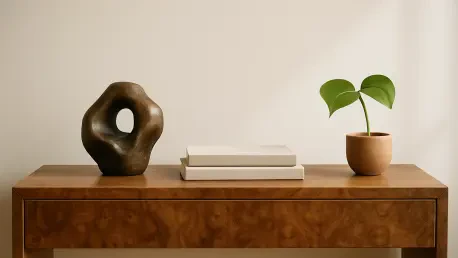
Integrating these heavy wood tones into a spring interior requires a delicate balance to ensure the space remains vibrant and open. Designers recommend pairing a dark wood sculptural console or a vintage chest of drawers with lighter wall colors, soft neutral upholstery, and strategic pops of botanical green. This contrast allows the darker pieces to act as focal points without making the room feel heavy or dated. Furthermore, the inclusion of vintage furniture encourages a more sustainable approach to decorating, as these high-quality pieces are often built to last for decades. By embracing the “imperfections” of an antique finish or the unique swirl of a burr walnut grain, homeowners can create a space that feels deeply personal and authentically “lived-in,” proving that true style is not about following a seasonal script but about honoring the enduring beauty of quality craftsmanship.
Cultivating a Timeless Interior Foundation
The evolution of design trends in early 2026 has demonstrated that a home’s character is built through a thoughtful accumulation of layers rather than a series of disconnected seasonal updates. By prioritizing deep, botanical colors and warm, patinated metals, homeowners have created environments that feel both anchored in tradition and relevant to modern living. The shift toward darker woods and theatrical window treatments has provided a sense of architectural permanence, proving that “spring freshness” can be achieved through sophisticated contrast rather than just light colors. This maturation of the industry suggests that the most successful interiors are those that prioritize emotional resonance and physical comfort, moving beyond the superficiality of typical decor cycles.
As the focus remains on longevity and the “lived-in” aesthetic, the next step for those looking to refine their spaces involves a deeper engagement with authentic materials and artisanal pieces. Rather than seeking out mass-produced items that mimic current styles, there is a growing incentive to invest in original artworks, hand-crafted furniture, and textiles with a clear provenance. This approach not only supports a more sustainable design ecosystem but also ensures that the home continues to evolve as a unique reflection of its inhabitants. Looking forward, the most resilient interiors will be those that embrace the beauty of aging and the richness of a diverse material palette, creating a sanctuary that feels complete yet always open to the subtle addition of new, meaningful layers.