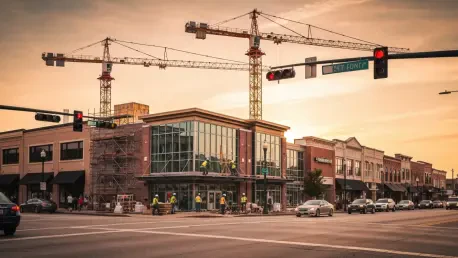

Imagine driving through the heart of Farragut, Tennessee, where the intersection of West End Avenue and West Point Drive buzzes with activity, and suddenly noticing a new structure rising in the parking lot of an aging shopping plaza. This isn’t just any construction project—it’s a test of how a community balances modern design rules with the charm of its older architecture. The owners of West End Center, a longstanding hub in the Mixed Use Town Center (MUTC) district, have proposed a new building that’s sparking conversation among local leaders. Their request to tweak strict zoning regulations, specifically around face brick coverage, has ignited a broader discussion on how to harmonize new developments with existing landscapes. It’s a scenario that could set a precedent for future projects in Farragut, challenging planners to rethink rigid standards in favor of contextual harmony.
Balancing Modern Standards with Historic Character
Navigating Zoning Challenges in Farragut
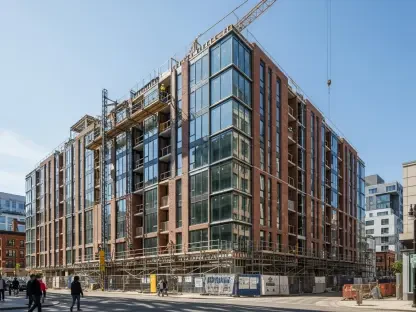
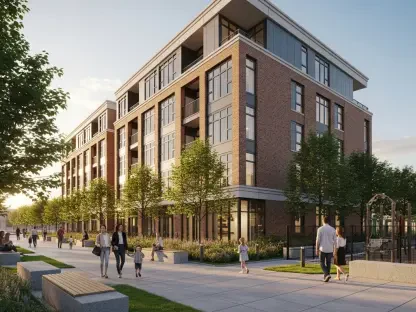
In the MUTC district, new buildings face a stringent requirement: each elevation must boast at least 75 percent masonry or face brick coverage. However, for West End Center, a shopping plaza that predates these regulations, adhering to such a mandate poses a unique dilemma. The existing structures wear far less brick, embodying an aesthetic from a different era. Architecture Collaborative, representing the center’s owners, has proposed a creative workaround—averaging the 75 percent face brick coverage across all four elevations of the new building, rather than applying it strictly to each side. This approach, permissible under the Town’s Architectural Design Standards (ADS), seeks to blend the new construction with its surroundings. During a recent Farragut Municipal Planning Commission workshop, this idea gained traction as a practical solution. It’s a reminder that regulations, while crucial, sometimes need flexibility to respect a site’s history and visual identity.
Voices of Support for a Cohesive Look
Beyond the technicalities of zoning, the proposal has stirred a wave of consensus among local leaders. Commissioners like Louise Povlin and Jon Greene have voiced enthusiasm for a design that prioritizes aesthetic cohesion over rigid compliance. Povlin highlighted the importance of ensuring the building looks appealing from every angle, given its prominent location and the traffic patterns around it. Greene, meanwhile, appreciated the intent to match the older structures, seeing the averaging method as a bridge between past and present. Adding to this, Mayor Ron Williams underscored the value of aligning new projects with phased developments seen elsewhere in Farragut, drawing on past experiences to advocate for adaptability. This unified stance reflects a shared vision among decision-makers to craft spaces that feel integrated, not jarring. It’s clear that for these leaders, the goal isn’t just about meeting a code—it’s about enhancing the community’s visual narrative.
Crafting a Future for Mixed-Use Development
Adapting Regulations to Context
Delving deeper into the discussion, the flexibility offered by the ADS versus the stricter MUTC rules reveals a nuanced approach to urban planning in Farragut. Community Development Director Mark Shipley clarified that while MUTC mandates 75 percent face brick per elevation, the ADS allows averaging across elevations, and even outside MUTC zones, a wider range of masonry can substitute for brick. This distinction became a cornerstone for the commission’s willingness to consider the proposal. For older centers like this one, nestled at a key intersection, such adaptability is vital. It acknowledges that not every development fits neatly into modern guidelines, especially when history plays a role in shaping a site’s character. The dialogue at the workshop underscored a growing trend: regulations must evolve to suit specific contexts, rather than forcing a one-size-fits-all mold. This shift in perspective could influence how other aging properties in the area are reimagined.
Setting a Precedent for Urban Harmony
Moreover, the supportive stance of the commission, including chairman Ron Pinchock and commissioner Noah Myers, hints at a broader implication for Farragut’s future. Myers praised specific design choices, such as glazing on the building’s rear, showing an appreciation for thoughtful aesthetics beyond mere compliance. This case mirrors past compromises, like one made for another local shopping center, suggesting that Farragut is building a track record of pragmatic decision-making. Dan Brittain of Architecture Collaborative expressed gratitude for the open-mindedness, emphasizing their commitment to a design that shines from all perspectives. As urban spaces grapple with integrating new constructions, this scenario at West End Center stands as a potential model. It illustrates how dialogue between developers and planners can yield solutions that honor both regulatory intent and local character. Looking ahead, such precedents might encourage other communities to rethink strict codes in favor of collaborative, context-driven outcomes.