
Imagine stepping into a venue where the very first moment feels like the opening scene of a captivating story—where every detail, from the shimmer of light on a textured wall to the subtle curve of a guiding pathway, draws you in with anticipation. This is no accident, but the result of a deliberate and evolving craft in venue entry design. In today’s fast-paced event and entertainment landscape, the entryway has become far more than a mere threshold; it serves as the critical first impression that can define an entire guest experience. As competition intensifies among venues to stand out, the significance of these arrival spaces grows, influencing not just aesthetics but also flow, safety, and comfort. This analysis dives deep into the current trends reshaping entry design, explores real-world examples of innovation, gathers insights from industry experts, and peers into future possibilities, ultimately offering key takeaways for those shaping the hospitality and entertainment sectors.
The Rise of Thoughtful Entryway Design
Evolving Trends and Industry Adoption
In recent years, a noticeable shift has taken place within the venue industry, with user-centric design taking center stage. Industry reports highlight a marked increase in investments directed toward entryway innovations, as venues recognize that a guest’s journey begins the moment they arrive. While precise figures vary, the consensus points to a growing allocation of budgets—potentially upwards of 20% in some major projects over the next few years starting from 2025—dedicated to reimagining these spaces. This reflects a broader understanding that entryways are pivotal in shaping perceptions and ensuring seamless transitions.
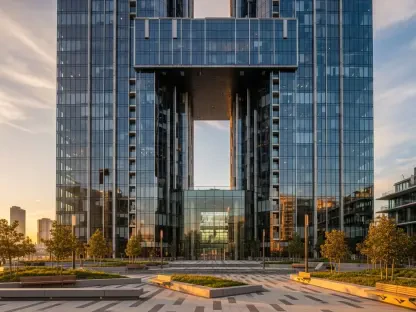
Beyond mere numbers, the narrative around entry design has evolved dramatically. No longer seen as utilitarian passages, these spaces are now crafted as immersive arrival sequences. Contemporary architectural discussions emphasize transforming what was once a simple doorway into an experience that sets a venue’s tone. This trend is driven by a desire to create environments where guests feel instantly engaged, a move that aligns with the industry’s push for memorable and differentiated offerings in a crowded market.
Real-World Applications and Case Studies
To understand this trend in action, consider The Vault at Capital One Center in Northern Virginia, a 300-capacity theater that exemplifies cutting-edge entry design. Here, intuitive wayfinding is achieved through a striking suspended stair adorned with vertical metal fins, acting as both a visual anchor and a directional cue. Strategic lighting reflects off these fins, guiding guests upward with an almost subconscious pull, while carefully chosen materials add layers of depth and intimacy. This interplay creates an arrival that feels theatrical, mirroring the venue’s purpose and leaving a lasting impact.
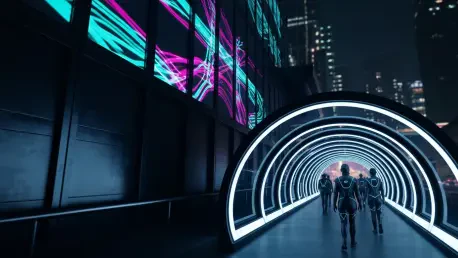
Elsewhere, other venues are also embracing innovative approaches to captivate guests from the start. Adaptive reuse of spaces, such as transforming underutilized retail areas into dynamic lobbies, showcases how design can breathe new life into existing structures. Sensory techniques, like tactile wall transitions or ambient soundscapes, are increasingly used to build anticipation and guide movement. These examples underscore a growing recognition that entryways are not just about getting from point A to point B, but about crafting a journey that resonates emotionally and practically with every visitor.
Expert Perspectives on Entry Design Impact
Turning to the minds behind these transformations, architectural designer Adriana Urbistondo describes the entryway as the “opening act” of any venue, a space that must instantly convey identity and set expectations. Her insights reveal a deep appreciation for how these designs influence guest psychology, noting that a well-executed arrival can elevate the entire event experience. Other industry voices echo this sentiment, pointing out that an entryway’s atmosphere—whether vibrant or serene—must align with what lies ahead to create a cohesive narrative.
However, experts also acknowledge the challenges inherent in this balancing act. Striking the right mix of aesthetics and functionality is no small feat, especially when safety and accessibility are non-negotiable. Issues such as ensuring clear evacuation routes or accommodating diverse needs can complicate design choices. Yet, the consensus remains that overcoming these hurdles pays dividends in guest comfort and repeat visitation, particularly in varied settings like bustling concert halls or sprawling conference centers where first impressions can make or break loyalty.
Moreover, there’s a shared belief that entry design directly impacts operational success. A thoughtfully designed space reduces congestion, minimizes confusion, and enhances security—all of which contribute to smoother events. This practical upside, paired with the emotional resonance of a striking arrival, positions entry design as a linchpin in modern venue strategy, a point that industry leaders continue to champion as they advocate for greater investment in these often-overlooked areas.
Future Directions for Venue Entry Innovations
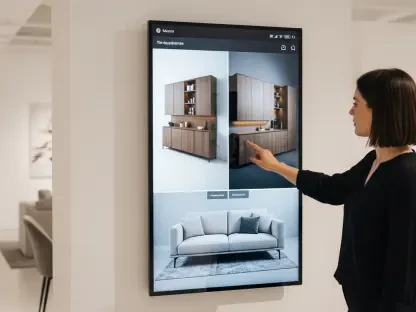
Looking ahead, the horizon of venue entry design brims with potential, driven by technological and sustainability advancements. Smart technologies, such as personalized guest guidance systems powered by AI or mobile integration, promise to tailor arrivals to individual preferences, enhancing engagement. Simultaneously, the push for eco-conscious designs is gaining traction, with sustainable materials and energy-efficient lighting poised to redefine how entries are built without sacrificing style or impact.
The benefits of such innovations are clear: heightened guest satisfaction and streamlined operations stand out as immediate gains. Yet, challenges loom, including the high costs of implementing cutting-edge solutions and the need to adapt designs to diverse audiences. There’s also the risk of over-design, where overly complex or sensory-heavy entries might overwhelm rather than welcome. Striking a balance will be key to ensuring that future designs remain inclusive and effective across different venue types.
On a broader scale, these trends could reshape the hospitality and entertainment industries by strengthening brand identity through distinctive arrivals. Venues that master this art may carve out a competitive edge, fostering loyalty in an era where experience reigns supreme. Conversely, failing to evolve risks alienating guests seeking fresh, memorable interactions. As this field progresses, the focus will likely remain on harmonizing innovation with accessibility, ensuring that every entryway invites rather than intimidates.
Key Insights and Call to Action
Reflecting on the journey through venue entry design innovations, it became evident that intuitive wayfinding, expressive lighting, and purposeful material choices held transformative power. These elements turned mere thresholds into curated experiences, setting the stage for events with unmatched impact. The importance of these spaces as cornerstones of guest experience was undeniable, shaping perceptions from the very first step.
Looking back, the exploration revealed how venues that prioritized arrival sequences gained a distinct advantage, weaving safety, comfort, and anticipation into every detail. For venue owners, designers, and managers, the path forward was clear: investing in innovative entry designs was not just an option, but a necessity to stand out. The challenge now lies in pushing boundaries further, experimenting with emerging tools and ideas to craft arrivals that not only welcome but also inspire, ensuring that every guest’s first moment lingers long after the event has ended.