
The exterior of a home offers the first, and often most lasting, impression, profoundly influencing its perceived value and charm long before anyone steps through the front door. Many homeowners believe that achieving significant curb appeal requires extensive and costly renovations, but a closer look at modern design trends reveals that sometimes the most impactful transformations are born from simple, strategic details. Design experts Dave and Jenny Marrs have consistently demonstrated a mastery of this principle, employing a signature technique that breathes new life into even the most uninspired facades. Their approach centers on a classic architectural element—the window shutter—reimagined not merely as a functional component but as a powerful aesthetic tool. By focusing on color, contrast, and creative placement, they have perfected a method for adding instant character and visual interest, proving that a thoughtful application of this single feature can dramatically elevate a property’s entire presence. This method moves beyond simple decoration, becoming a core part of a home’s exterior narrative and a testament to the power of well-executed design.
The Philosophy of Form Over Function
Embracing the Decorative Element
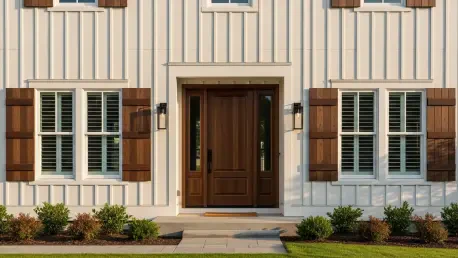
A foundational aspect of the Marrses’ design strategy involves a deliberate departure from the traditional requirement that shutters must be functional to be effective. This innovative perspective treats shutters primarily as a powerful visual accent, capable of transforming a home’s exterior without the need for operational hardware or complex installation. By using materials like simple plywood, they create decorative shutters that serve a purely aesthetic purpose, adding layers of dimension, texture, and character to a flat or unremarkable facade. This approach is particularly potent in achieving the sought-after modern farmhouse aesthetic, where visual cues of classic architecture are key to creating a sense of warmth and heritage. The presence of shutters, even if non-functional, evokes a feeling of timelessness and thoughtful design, suggesting a home that is well-cared-for and rich in detail. This shift in thinking democratizes high-end design, making a significant visual upgrade accessible to more homeowners by removing the cost and complexity associated with custom, fully operational shutters.
While this technique is a hallmark of the modern farmhouse style popularized by the design duo, its underlying principles are remarkably versatile and can be adapted to a wide range of architectural designs. The core concept—using shutters to add depth, frame windows, and introduce a complementary or contrasting color—is not limited to a single aesthetic. For instance, on a classic Colonial-style home, properly sized and styled decorative shutters can reinforce its historical symmetry and formal elegance. Similarly, a quaint cottage can be enhanced with board-and-batten style shutters to amplify its rustic charm. Even some mid-century ranch homes, which often feature wide, horizontal lines, can benefit from thoughtfully placed shutters that break up the facade and add vertical interest. The key to a successful application lies in selecting a shutter style and color that respects the home’s existing architectural language while adding a fresh layer of personality. This adaptability proves that the strategy is less about adhering to a specific trend and more about understanding the fundamental role of architectural details in creating a cohesive and appealing exterior.
Strategic Sizing and Unconventional Placement
A critical detail that distinguishes a professional application from an amateur attempt is the careful consideration of shutter proportions, a nuance the Marrses consistently get right. Even when shutters are purely decorative, they must be sized to appear credible, as if they could logically cover the windows they flank. A common design misstep is installing shutters that are too narrow or too short for the window, which immediately signals them as an afterthought and can detract from the home’s overall aesthetic. The guiding principle is to ensure each shutter is approximately half the width of the window opening. This creates a visually balanced and authentic look, preserving the architectural integrity of the design. By adhering to these proportional rules, decorative shutters avoid looking like mere decals and instead become an integrated element that adds believable depth and substance to the facade. This attention to scale is fundamental to their success, ensuring the final result is one of polished, intentional design rather than arbitrary decoration.
Pushing the boundaries of conventional design, the Marrses have also demonstrated the creative potential of shutters by applying them in unexpected ways, most notably by flanking large French doors. This innovative move treats the primary entrance not just as a passageway but as a major architectural feature deserving of a grander frame. By placing faux shutters on either side of the doors, they introduce a unique touch of panache and symmetry, drawing the eye to the entryway and creating a more formal, welcoming statement. This application works because it applies the same principles of framing and adding dimension to a larger, more significant element of the facade. It adds weight and character to the entrance, transforming it into a deliberate focal point. Such creative placements encourage homeowners to think beyond the standard window application and consider how these versatile elements can be used to highlight other key features, solve design challenges, or simply inject a dose of unexpected personality into their home’s exterior.
Mastering Color and Contrast
The Nuance of a Neutral Palette
The color strategy employed by the design duo often leans into the sophisticated power of neutrals, a choice that aligns perfectly with their frequently used modern farmhouse style. By selecting shutter colors from a palette of taupes, grays, creams, and muted earth tones, they achieve an aesthetic that is both timeless and refreshingly contemporary. This preference for neutrals is not about playing it safe; rather, it is a deliberate method for creating a look of understated elegance. A subtle contrast, such as pairing mid-toned taupe shutters with soft cream walls, can gently articulate the home’s architectural features without overwhelming the senses. This approach results in a facade that feels cohesive, serene, and welcoming. The softness of the palette ensures that the home blends harmoniously with its natural surroundings while still showcasing its unique details. This mastery of tone-on-tone and muted color combinations is central to their ability to create exteriors that are sophisticated, balanced, and enduringly appealing.
One of the most effective techniques in their color playbook is creating a cohesive visual narrative by matching the shutter color to that of the front door. This method establishes an immediate sense of intention and harmony across the home’s facade. By using the same color or stain, such as a rich, dark walnut, on both the shutters and the door, a powerful visual connection is forged. This strategy effectively guides the viewer’s eye across the exterior, creating a balanced and rhythmic composition. It transforms these separate elements into a unified design statement, suggesting that every detail has been thoughtfully considered. The repetition of color not only adds a touch of formal elegance but also simplifies the overall color scheme, preventing the exterior from appearing cluttered or busy. This disciplined approach ensures that the home presents a polished and unified front, making it a standout example of how strategic color repetition can yield a high-impact, professional-grade result.
The Boldness of Deliberate Contrast
In a departure from their more subtle and cohesive color schemes, the Marrses also skillfully leverage the power of dramatic contrast to make a bold architectural statement. This technique involves selecting a shutter color that stands in stark opposition to the primary siding color, creating a dynamic visual interplay that instantly captures attention and adds significant depth. For example, placing deep black or charcoal gray shutters against crisp white siding creates a classic, high-contrast look that is both timeless and commanding. This intentional juxtaposition does more than simply add a pop of color; it serves to sharply define the windows, transforming them into prominent focal points. By highlighting the home’s fenestration, this method can accentuate its symmetry, break up a monotonous facade, and infuse the exterior with a strong sense of personality and confidence. The use of dramatic contrast is a powerful tool for homeowners looking to make a memorable impact and elevate their property’s curb appeal from ordinary to extraordinary.
The strategic use of a contrasting shutter color is also a highly effective method for emphasizing a home’s unique architectural features and creating a more visually interesting exterior. On a home with intricate trim, a unique roofline, or other distinctive details, a bold shutter color can act as a complementary accent that draws attention to these very elements. For instance, a deep navy shutter on a light gray house with white trim helps frame not just the window but the entire architectural composition, making each component stand out more clearly. This technique adds layers and complexity to the facade, preventing it from appearing flat or one-dimensional. By carefully selecting a contrasting hue that complements the home’s overall style, the Marrses demonstrate how shutters can function as more than just window dressing; they become a key part of a larger design narrative, used to celebrate the home’s character and create a curated, dynamic visual experience from the street.
A Legacy of Transformative Details
The design philosophy showcased in these exterior transformations provides a clear and accessible blueprint for homeowners. It established that significant aesthetic improvements do not necessitate a complete overhaul but rather a focused and intelligent application of key details. The shutter, an often-overlooked element, was repositioned as a primary tool for injecting personality and polish. By treating form as paramount and color as a strategic asset, this approach demonstrated how to achieve a high-end look through thoughtful, small-scale interventions. The principles of proper proportion, creative placement, and the deliberate use of either harmony or contrast offered a masterclass in elevating curb appeal with precision and style.