
The contemporary interior design landscape of 2026 is currently undergoing a transformative shift as homeowners and professionals look back a decade to find a sense of warmth and character that has been missing from recent residential projects. After a prolonged period dominated by the sterile, monochromatic aesthetics of ultra-minimalism and the quiet luxury movement, there is a palpable desire for environments that prioritize personal expression over curated perfection. This nostalgic revival is not merely a carbon copy of the past but a sophisticated reimagining of trends that defined the mid-2010s, now filtered through a modern lens of sustainability and intentionality. By revisiting the bold energy of 2016, the industry is finding new ways to create spaces that feel lived-in and inviting rather than just visually impressive. This movement suggests that the cyclical nature of design is accelerating, as the digital archives of the early social media era provide a rich foundation for the next wave of high-end home transformations.
The Evolution of Color and Personal Expression
From Saturated Hues to Warm Neutrals
Millennial Pink, the unmistakable shade that defined an entire generation of aesthetics around 2016, has re-emerged in the current market with a newfound sense of maturity and restraint. While its original iteration often involved heavy, saturated salmon-toned walls that could easily overwhelm a room, the 2026 approach treats this versatile hue as a soft, sophisticated neutral. Designers are now utilizing muted, dusty versions of the color to bring an organic warmth to living areas, often pairing it with natural materials like unbleached linen and light oak. This evolution reflects a broader shift away from “statement” colors that demand attention toward “gateway” palettes that enhance the natural light of a room. By integrating these tones through high-quality textiles and artisanal ceramics, homeowners are discovering that a hint of pink can act as a grounding element, softening the sharp edges of modern furniture while maintaining a clean, professional look that feels far more permanent than a passing fad.
The current application of this color trend is also seen in the strategic use of “soft goods” to anchor a room’s atmosphere without requiring a complete overhaul of the existing architecture. Expert designers are recommending the use of Millennial Pink in lampshades, mohair blankets, and hand-knotted rugs to provide a subtle, rosy glow that makes a space feel more intimate and welcoming during evening hours. This technique allows for a layered aesthetic where the color serves as a supporting actor rather than the main protagonist, a significant departure from the loud, graphic interiors of a decade ago. For those looking to make a slightly bolder commitment, the trend has moved toward “color-drenching” secondary spaces like powder rooms or home offices in a single, muted tone. This creates a cocoon-like effect that feels intentional and expensive, proving that even the most maligned shades of the past can be rehabilitated when they are applied with a focus on texture, light, and a refined sense of balance.
Narrative-Driven Wall Displays
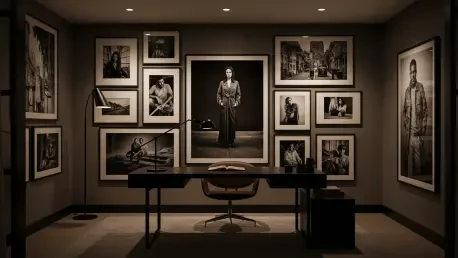
The resurgence of the gallery wall in 2026 serves as a direct response to the rigid, “one-artwork-per-wall” discipline that characterized the early part of this decade. In the past, these displays were often criticized for being cluttered and disorganized, frequently featuring a chaotic mix of postcards, travel mementos, and small trinkets that lacked a cohesive theme. Today, the gallery wall has been reimagined as a structured and confident installation that prioritizes high-quality curation and historical narrative. Designers are now opting for larger-scale frames and a strictly limited color palette to ensure that the collection feels like a unified piece of art rather than a haphazard assembly of objects. This transition allows individuals to showcase their personal histories and art collections in a way that feels anchored and deliberate, providing a necessary visual break from the vast, empty walls that have become a hallmark of the minimalist movement in recent years.
Beyond the aesthetic appeal, the modern gallery wall is being utilized as a tool for storytelling within the home, reflecting a deeper cultural desire for authenticity and identity. In a world that is increasingly digitized, the physical presence of a curated wall display offers a tangible connection to one’s interests and experiences. Current trends favor the use of oversized, monochrome photography or abstract charcoal sketches to create a sense of rhythm and movement across a large surface. This approach is particularly effective in transitional spaces like hallways or dining rooms, where the art can serve as a conversation starter without disrupting the flow of the home. By focusing on a “less is more” philosophy regarding the number of pieces while increasing the physical scale of the frames, the 2026 gallery wall achieves a level of sophistication that feels both timeless and deeply personal, effectively bridging the gap between nostalgic sentiment and contemporary luxury.
Modernizing Patterns and Bold Commitments
Refined Movement and Geometric Texture
Chevron, a geometric pattern that reached a point of extreme overexposure by 2016, is making a surprising comeback as designers rediscover its ability to add instant energy and direction to a room. However, the 2026 revival is far removed from the high-contrast, black-and-white zigzags that once dominated mass-market home goods. Instead, the focus has shifted toward subtler, smaller-scale motifs and tone-on-tone color palettes that emphasize texture over graphic impact. By utilizing luxury wallcoverings and high-end fabrics from designers who specialize in organic patterns, the industry is finding that chevron can provide a sophisticated sense of movement when it is integrated thoughtfully. This refined approach draws inspiration from the rhythmic energy found in high-end fashion, where geometric motifs are used to create depth and visual interest without overwhelming the overall silhouette of a design, leading to a more harmonious integration of pattern within the home.
The current success of chevron is also closely tied to its relationship with classic architectural elements like herringbone flooring, which has remained a staple of luxury interior design for decades. In 2026, designers are frequently blending these two styles to create a cohesive floor-to-ceiling narrative that feels grounded in tradition yet remains firmly modern. For instance, a subtly patterned chevron rug might be placed atop a light-finished herringbone floor to add a layer of soft geometric texture that enhances the natural grain of the wood. This technique relies on a “quiet” contrast, where the pattern is felt more than it is seen, providing a sense of luxury that was missing from the flat, uninspired versions of the past. By moving away from cheap, mass-produced applications and focusing on artisanal craftsmanship, the chevron pattern has successfully shed its reputation as a temporary trend and emerged as a versatile tool for adding structural elegance to contemporary living spaces.
Moving Beyond the Accent Wall
While many 2016 trends are being embraced with open arms, the design community in 2026 remains steadfast in its rejection of the traditional accent wall. Modern professionals argue that painting a single wall in a bold color or covering it in a busy pattern often looks like a lack of conviction rather than a definitive design choice. This approach can create a disjointed atmosphere where one surface carries the entire visual weight of the room, leaving the remaining walls feeling neglected and flat. The prevailing philosophy today is one of total commitment, where a chosen color or pattern is applied across all four walls to create a seamless and immersive environment. This “all-in” strategy ensures that the room feels cohesive and professional, allowing the furniture and decor to sit within a unified backdrop rather than competing with a single, distracting focal point that breaks the visual flow of the architecture.
The shift toward fully enveloped rooms also reflects a greater understanding of how color affects the psychology of a space and the people who inhabit it. By committing to a dusty pink or a textured wallpaper across the entire room, the space gains a sense of permanence and architectural integrity that an accent wall simply cannot provide. This method is particularly effective in creating a specific “mood” for a room, whether it is a dark, moody library or a bright, airy sunroom. Designers are finding that when a homeowner is willing to commit to a vision, the resulting space feels more luxurious and intentional, regardless of the specific trend being utilized. As the industry continues to evolve, the focus remains on creating holistic environments where every element works in harmony, reinforcing the idea that true style comes from confidence and a willingness to embrace a design theme in its entirety rather than stopping at a single surface.
The Power of Design Longevity
The resurgence of these specific 2016 trends serves as a powerful reminder of the cyclical nature of the interior design industry and the importance of refining rather than replacing past ideas. The most successful home transformations in 2026 are those that recognize the emotional resonance of “dated” styles and find ways to strip away their original excesses to reveal a more timeless core. By prioritizing high-quality materials, intentional curation, and a refined color palette, the design world has managed to rehabilitate trends that were once considered overexposed or even gauche. This process of evolution proves that design longevity is not about avoiding trends altogether, but rather about having the foresight to adapt them to a modern context. Moving forward, homeowners should consider investing in pieces that tell a personal story and colors that provide a sense of comfort, as these are the elements that ultimately transcend the shifting tides of fashion.
For those looking to update their spaces, the primary takeaway is to approach nostalgia with a sense of purpose and restraint. Rather than attempting to recreate a specific year, the goal should be to integrate elements that spark joy and provide a sense of history while maintaining the clean lines and functional benefits of contemporary architecture. This might involve commissioning a custom gallery wall that features a mix of heirlooms and modern photography or choosing a high-quality chevron fabric for a statement piece of furniture. By focusing on the “why” behind a design choice—whether it is the warmth of a specific hue or the movement of a certain pattern—homeowners can create spaces that feel both current and classic. The future of interior design lies in this delicate balance between looking back and moving forward, ensuring that every home reflects a unique blend of past inspiration and modern sensibility that will remain relevant for years to come.