
An ambitious plan to transform a historic pub site within the protected landscape of the South Downs National Park into an upscale, nature-focused country lodge has officially received the green light, promising a unique fusion of luxury hospitality and ecological restoration. The project, centered on the former Woodcote pub in West Sussex, represents a significant shift from traditional development, adopting a landscape-led philosophy that aims not only to integrate with its sensitive surroundings but to actively enhance them. This forward-thinking endeavor is a collaborative effort between owner Ledmore Capital, landscape architecture firm Studio Engleback, and architectural practice McLean Quinlan. Their shared vision is to create a destination that offers guests an immersive connection to the natural world while pioneering a new standard for sustainable operation within one of the UK’s most cherished national parks. The approval marks a pivotal moment, setting a precedent for how commercial ventures can become positive contributors to environmental conservation and biodiversity.
A Vision of Integrated Sustainability
At the core of The Woodcote’s redevelopment is a cohesive philosophy that treats the landscape and architecture as inseparable components of a single, harmonious environment. This project moves beyond the conventional model of placing a building within a setting, instead creating a holistic experience where every element is designed to strengthen the connection between guests and the natural world. The strategy, spearheaded by Studio Engleback, ensures that the ecological priorities of the South Downs National Park are not just respected but are the primary drivers of the entire design. This landscape-first approach is fundamental to the project’s identity, aiming to regenerate the site’s ecological health through a series of thoughtful interventions that will boost biodiversity and restore traditional landscape features. The synergy between the naturalistic grounds and the carefully designed buildings is intended to create a seamless flow, encouraging guests to explore and appreciate the restored habitats around them while enjoying the comforts of a luxury lodge. This integrated vision represents a conscious effort to prove that high-end hospitality and genuine environmental stewardship can be mutually reinforcing goals.
The operational ethos, guided by Ledmore Capital, is equally ambitious, with a deep-seated commitment to sustainability that permeates every facet of the future lodge. A key aspiration is for the new fine-dining restaurant to achieve a coveted Michelin Green Star, an accolade that recognizes establishments at the forefront of sustainable practices. This goal informs the entire culinary strategy, which will be built upon close partnerships with local farmers and growers to ensure a menu that is both seasonal and sourced with a minimal carbon footprint. This focus on localism supports the regional economy while guaranteeing the freshness and quality of the produce. Furthermore, the project demonstrates a profound respect for its unique location within the South Downs Dark Sky Core Area. All external lighting will be low-level and meticulously designed to prevent light pollution, thereby protecting nocturnal wildlife and preserving the breathtaking quality of the night sky. This thoughtful detail not only adheres to the park’s principles but also offers guests a rare and memorable experience, deepening their connection to the untamed beauty of the national park after dark.
Cultivating a Thriving Ecosystem
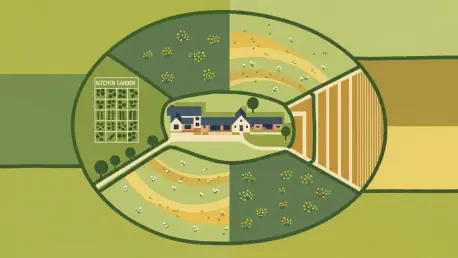
The landscape master plan for The Woodcote is a testament to the project’s dedication to ecological regeneration, focusing on the active restoration and creation of diverse habitats that are characteristic of the English countryside. A significant component of this plan is the re-establishment of traditional hedgerows, which are vital for the local ecosystem. These natural barriers will serve as essential corridors for wildlife, providing safe passage, shelter, and food sources for a variety of birds and small mammals, while also reinstating the historical and aesthetic charm of the area. In addition, new wildflower meadows will be planted across the site. These meadows are specifically designed to support a thriving population of pollinators, such as bees and butterflies, which are crucial for the health of the broader ecosystem. The introduction of new native woodland areas represents a long-term investment in the site’s environmental health, creating complex new habitats, contributing to carbon sequestration, and enhancing the sense of tranquility and seclusion for guests. A traditional orchard will also be established, a feature that not only supports biodiversity but will supply the lodge’s kitchen with fresh, sustainably grown fruit.
Beyond habitat creation, the project incorporates a sophisticated and sustainable approach to water management designed to enhance the site’s ecological value and resilience. A system of newly created ponds, swales, and wetlands will be implemented to manage rainwater and surface runoff effectively. This natural drainage system serves multiple purposes: it prevents soil erosion, mitigates flood risk, and filters water naturally. More importantly, these features will create valuable new aquatic and semi-aquatic habitats, attracting a wide range of species, including amphibians, dragonflies, and other invertebrates. This initiative will significantly enrich the site’s biodiversity and provide guests with another layer of natural beauty to explore. Complementing these ecological efforts is the creation of a dedicated kitchen garden. This space will allow the restaurant to grow its own produce on-site, a practice that embodies the project’s farm-to-table philosophy. This direct link between the land and the dining experience minimizes food miles, guarantees ultimate freshness, and offers a tangible demonstration of the lodge’s commitment to a sustainable and self-sufficient operational model.
Architecture in Harmony with Nature
The architectural design, thoughtfully conceived by McLean Quinlan, masterfully balances the preservation of the site’s heritage with the introduction of modern, luxurious facilities. Central to this vision is the careful restoration of the original cottage that once housed the pub. This historic building will be repurposed to contain a charming bistro, a nod to the site’s past as a beloved public house and a way to maintain a connection to its community roots. The restoration will preserve the building’s unique character while updating it to meet the high standards of the new lodge. Alongside this historical anchor, new structures will be built to house a fine-dining restaurant and 16 exclusive guest suites. The design of these new additions will be guided by the principle of immersion, using natural materials like local stone and timber to blend seamlessly with the surrounding landscape. Expansive windows will be a key feature, framing stunning views of the restored meadows, woodlands, and ponds, effectively bringing the outdoors in. The physical layout of the buildings and pathways will be designed to encourage guests to wander and discover the natural beauty of the grounds, fostering a sense of exploration and deep connection with the environment.
A Precedent for Future Development
The approval of The Woodcote’s transformation represented a landmark achievement, establishing a comprehensive model for how luxury hospitality can not only coexist with but actively contribute to ecologically sensitive environments. The project’s success was rooted in a landscape-first approach that prioritized the restoration of hedgerows, the creation of diverse habitats, and the implementation of sustainable water management. This strong ecological foundation was perfectly complemented by an architectural vision that honored the site’s history while introducing modern facilities designed to immerse guests in the natural world. Driven by a profound commitment to sustainability, from its Michelin Green Star ambitions to its dedication to dark sky preservation, the endeavor set a new benchmark. It served as a powerful example of how commercial goals and a deep respect for nature could be successfully synthesized, providing a thoughtful and replicable blueprint for future developments within protected landscapes.