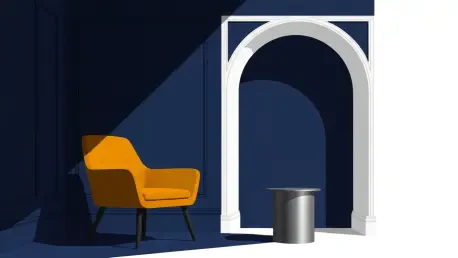

A fundamental reevaluation of interior design philosophy is underway, signaling a definitive move away from the uniform, minimalist aesthetics that have dominated for years and toward spaces that are rich in personality, character, and authentic warmth. The forecast, championed by influential designer Shea McGee, posits a departure from rigid, trend-driven decorating in favor of a more personal, eclectic, and collected approach to creating a home. The central guiding principle for this new era is the creation of environments that feel genuinely lived-in and reflective of individual stories, rather than styled like an impersonal showroom. This evolution is less about declaring specific trends obsolete and more about illustrating a creative direction that empowers homeowners to cultivate spaces that are “eclectic, not themed; collected, not coordinated.” The message is one of permission—giving individuals the confidence to mix disparate styles, layer a multitude of textures, and thoughtfully incorporate meaningful pieces that resonate on a personal level. The ideal home is no longer a blank canvas but a tapestry woven with warmth, sophisticated contrast, and a deeply curated sense of individuality that tells a compelling story about its inhabitants.
The Shift Away from Impersonal Design
The Decline of Monochromatic Palettes and Matching Sets
One of the most significant departures from recent design dogma involves the rejection of the once-ubiquitous color schemes of stark white and cool-toned grays. This aesthetic, long favored for its clean and modern appeal, is now viewed by many designers as capable of rendering a space “flat and joyless,” with a clinical ambiance more suited to a “dental practice” than a comfortable home. This critique stems from the realization that such palettes, when used exclusively, can lack the depth and emotional resonance that create a truly inviting atmosphere. While the design world has already begun a gradual transition toward warmer beiges and off-whites as part of a broader “quiet luxury” movement, this forecast suggests moving even further away from these subdued neutrals. Relying on a stark white and cool gray foundation is considered one of the quickest ways to date an interior. The proposed antidote is a twofold approach: either embrace warmer neutrals that possess soft yellow or pink undertones to subtly introduce warmth, or fully commit to using actual, vibrant colors to inject life, personality, and a sense of sophisticated comfort into a room. This pivot represents a conscious move toward creating interiors that feel nurturing and visually engaging.
The practice of meticulously matching every finish and furniture set throughout a home is also being left behind in the pursuit of more authentic and dynamic interiors. For years, the conventional wisdom was to coordinate every metallic element—from doorknobs and cabinet pulls to light fixtures and towel rails—to create a sense of cohesion. This, along with the purchase of matching furniture suites for living rooms and bedrooms, often resulted in a “soulless showroom” effect, producing spaces that felt staged and devoid of personal history. This approach lacks the organic depth and character of a home that has evolved over time. In its place, a mix-and-match philosophy is strongly advocated. This methodology mirrors a more natural way of living, where individuals collect meaningful pieces from different sources, styles, and eras. Actively mixing metals, such as pairing the warmth of brass with the coolness of polished nickel or chrome, or combining various wood tones and furniture styles, keeps a space from feeling static. The result is an environment that is far more interesting, layered, and deeply personal, reflecting a life lived rather than a catalog consulted.
Moving Beyond Rigid Thematic Decor
The concept of a strictly themed interior, where every element adheres to a single, rigid design language like “modern farmhouse” or “coastal,” is another trend being decisively set aside. While themes can provide a useful starting point, a dogmatic adherence to them can quickly lead to a space that feels predictable, formulaic, and, as some critics note, “a little cringe.” This cookie-cutter approach often stifles true creativity and personal expression, forcing design choices to fit within a narrow set of predefined rules rather than reflecting the unique tastes and experiences of the homeowner. The outcome is often a home that looks like countless others, lacking the distinctive character that makes a space feel truly one’s own. The preferred alternative is to mindfully cultivate an eclectic scheme. This involves a more intuitive process of collecting and layering items that are genuinely loved, regardless of whether they conform to a specific stylistic label. This shift encourages homeowners to trust their instincts and curate a collection of furniture, art, and objects that tell a personal story. The resulting home is a genuine reflection of its inhabitants—layered, interesting, and full of narrative depth.
Embracing an eclectic, collected aesthetic is about achieving a sophisticated balance between variety and harmony, creating a space that feels curated rather than merely decorated. This approach champions the idea that a home should be a living chronicle of its occupants’ lives, filled with pieces acquired over time from different places and representing various memories. It’s a move away from instant, coordinated perfection and toward a more patient and thoughtful process of building a home layer by layer. The antithesis of the “soulless showroom,” this philosophy produces an environment with genuine depth and soul. It involves skillfully blending different periods, styles, and textures to create a cohesive whole that is greater than the sum of its parts. For example, a sleek, modern sofa might be paired with an antique wooden chest, or a contemporary piece of art could hang above a traditional console table. This dynamic interplay between old and new, refined and rustic, creates a visual tension that is both compelling and deeply personal, ensuring that the home remains a unique and evolving expression of identity.
The Rise of Curated and Characterful Interiors
Embracing Texture and Timelessness
After an extended period dominated by design safety and minimalism, a bolder, less restrained approach to interiors is being championed through the artful layering of patterns. The “pattern on pattern” trend encourages the harmonious mixing of multiple prints within a single space to add a level of depth and visual interest that a solitary pattern simply cannot achieve. This technique moves beyond the simple accent pattern on a throw pillow and invites a more immersive and confident application of prints on walls, upholstery, drapery, and rugs. For those looking to execute this trend successfully, the guidance is to begin with two or more patterns that share a common color family to create an underlying sense of cohesion. The key to preventing visual chaos is to then vary their scale significantly. For instance, a large-scale floral wallpaper can be beautifully complemented by a small-scale geometric print on an armchair, allowing each pattern to have its own voice without competing for attention. A more advanced and daring application of this concept, known as “pattern drenching,” where an entire room is enveloped in a single, enveloping print, is also emerging as a powerful direction for those willing to make a truly bold statement.
Building on an already established appreciation for antique and vintage elements, a key trend sees a deeper and more thoughtful integration of traditional architectural and decorative details into modern homes. This is not an attempt to recreate period rooms but rather a sophisticated method of adding timeless character, craftsmanship, and a sense of permanence to contemporary spaces. This can manifest on a large, impactful scale through the introduction of architectural features such as intricate moldings, graceful arched walkways, and classic wall paneling, which provide a historical framework for modern living. On a smaller, more accessible scale, this trend includes incorporating furniture with heritage silhouettes, such as pieces with elegant turned or charming bobbin legs, that nod to historical craftsmanship. Furthermore, there is a growing emphasis on using “living finishes,” such as unlacquered brass, on hardware and accessories. These materials are designed to develop a natural patina over time, allowing them to age gracefully and tell a story of their use. These classic touches provide a grounding sense of history that enriches the overall design narrative.
A Fresh Take on Finishes and Accents
In a notable and refreshing shift from the long-reigning dominance of warm metals like brass and gold, silver-toned finishes are set to make a significant comeback. Metals such as chrome, polished nickel, and stainless steel are poised to take the spotlight, offering a crisp, cool, and clean contrast to the warmer elements often found in a room. This re-emergence is not about completely abandoning brass but about introducing a new layer of complexity and balance to interior palettes. McGee poetically describes silver as “a shot of espresso for an otherwise sleepy scheme,” highlighting its unique ability to invigorate a space and provide a sophisticated counterpoint to vintage or rustic wooden pieces. The cool, reflective quality of silver can cut through the warmth of a room, adding a touch of modern glamour and preventing the design from feeling overly uniform or dated. This strategic use of contrasting metals is a hallmark of the new, more personalized approach, where creating dynamic tension between elements is a celebrated design principle.
The reintroduction of silver into the design lexicon can be approached in various ways, from subtle accents to bold statements. For a more measured integration, designers suggest introducing these cool-toned metals through smaller “hero pieces” that can make a significant impact without overwhelming the space. This could include items like elegant candlestick holders on a dining table, sleek picture frames on a gallery wall, a classic lantern in an entryway, or a collection of decorative trays on a coffee table. However, the trend also extends to larger, more impactful applications. There is a notable push toward stylish and highly functional stainless steel kitchens, where the material is used for countertops, backsplashes, and even cabinetry, creating a look that is both professional and chic. The versatility of silver allows it to bridge the gap between traditional and contemporary styles, making it a powerful tool for achieving the eclectic, collected aesthetic that defines current design. It represents a move toward a more nuanced and less formulaic use of materials, where balance and contrast reign supreme.
A New Era of Expressive Design
The design forecast ultimately signaled a decisive and welcome shift toward a more expressive and personalized form of interior design. It was not a restrictive set of rules but rather an open invitation for individuals to move beyond safe, uniform aesthetics and build a home that was layered, characterful, and uniquely their own. By consciously rejecting the sterile color palettes, perfectly matched furniture sets, and rigid thematic constraints of the past, homeowners were encouraged to welcome a rich and harmonious mix of patterns, the timeless appeal of traditional architectural details, and the fresh, crisp contrast of silver accents. This movement was a clear rejection of the impersonal, one-size-fits-all approach to decorating. The ultimate focus had centered on creating spaces that felt profoundly authentic, thoughtfully collected over time, and deeply reflective of the passions, histories, and quirks of the people who lived within their walls. It marked the beginning of an era where personal stories, not passing trends, became the true foundation of a well-designed home.