
The Canadian residential landscape has reached a pivotal turning point where the definition of luxury is no longer measured by square footage or expensive furniture but by the emotional resonance of a living space. Homeowners across the country are moving away from the sterile, museum-like aesthetics that dominated previous decades in favor of environments that engage the full spectrum of human perception. This evolution into sensory-driven design prioritizes the intersection of psychological well-being and physical comfort, creating a sanctuary that responds to the unique challenges of the northern climate. By integrating sight, sound, touch, smell, and taste into the architectural fabric of the home, designers are crafting spaces that feel intuitive and deeply personal. This shift reflects a broader societal desire for authenticity and mindfulness, ensuring that every room serves as a functional retreat rather than just a backdrop for digital photography.
Visual and Culinary Integration
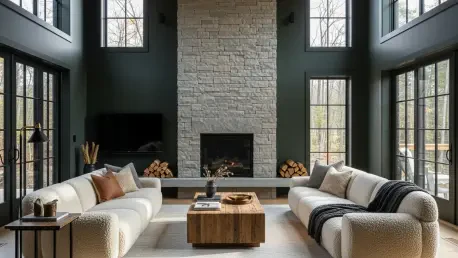
The current visual trend, often referred to as “True North pride,” represents a sophisticated maturation of Canadian interior aesthetics that draws direct inspiration from the rugged natural landscape. Designers are intentionally moving away from the cold, monochromatic greys of the past toward a palette that mirrors the rich diversity of the wilderness, including deep forest greens, earthy browns, and the shifting blues of the Great Lakes. These colors are not merely decorative; they serve to ground the inhabitant, fostering a biological connection to the outdoors that remains vital during the long months spent inside. By utilizing these organic tones, homeowners can create a sense of continuity between their private sanctuaries and the external environment, which reduces the feeling of confinement. The result is a living space that feels anchored and tranquil, providing a visual resting point that helps to alleviate the cognitive load associated with modern urban living.
Parallel to these naturalistic tones is an intriguing migration of culinary-inspired hues from the kitchen into the primary living areas of the contemporary home. This trend blurs the lines between the sense of sight and the sense of taste, employing colors like deep berry, vibrant olive, and zesty lemon to inject a sense of vitality and “deliciousness” into common rooms. These palettes are designed to evoke the sensory pleasure of a well-prepared meal, providing a visual richness that feels both nourishing and energizing. To ensure these bold choices do not become overwhelming, professional designers recommend a strategy of using soft, warm neutrals as a foundational base. By applying these muted tones to large surfaces such as walls or primary furniture pieces, homeowners can introduce vibrant, fruit-derived accents through art, textiles, or accent walls. This balanced approach allows for a playful yet sophisticated atmosphere that celebrates sensory joys without sacrificing a sense of calm.
Tactile Materials and Layered Textures
In the present design landscape, the sense of touch has been elevated to a primary consideration, driven by a collective exhaustion with the synthetic and mass-produced surfaces of the early digital age. Canadian homeowners are increasingly seeking out raw, organic materials like hand-fired clay, unpolished natural stone, and sustainably sourced woods that retain their original grain and texture. These materials offer a physical honesty that manufactured alternatives cannot replicate, providing a tactile variety that engages the skin and the mind simultaneously. When a resident runs their hand across a reclaimed timber mantle or a cool limestone countertop, the experience provides a moment of grounding and presence. This focus on materiality is about more than just durability; it is an intentional effort to bring the physical complexity of the natural world into the home. By prioritizing these touch-friendly elements, designers are creating environments that feel substantial and permanent.
Complementing the use of raw materials is a sophisticated approach to textile layering that adapts specifically to the cyclical nature of the Canadian seasons. This strategy involves a deliberate rotation of fabrics to ensure the home remains a comfortable tactile sanctuary throughout the year, regardless of the temperature fluctuations outside. During the colder months, interior spaces are transformed with heavy, inviting materials such as wool, bouclé, and velvet, which provide both physical warmth and a psychological sense of coziness. As the climate transitions into the warmer months, these dense textiles are replaced with light, breathable linens and cottons that allow for better airflow and a visual sense of lightness. This seasonal “skin” for the home ensures that the tactile experience is always in harmony with the environment. Moreover, this practice encourages a deeper engagement with the living space, as the act of changing textiles becomes a ritual.
Auditory Sanctuaries and Natural Aromas
The modern home is being reimagined as an auditory sanctuary, a necessary response to the increasing noise pollution and the thin, irritating sound quality of ubiquitous mobile devices. Homeowners are now prioritizing high-fidelity audio systems and integrated acoustic treatments that allow for a curated soundscape within every room. This trend involves the installation of sound-dampening panels that double as art, heavy curtains that block external traffic noise, and hidden speakers that provide a rich, immersive audio experience. By controlling the vibe of a space through ambient music or the soothing sounds of nature, inhabitants can use audio design as a tool for stress management and emotional regulation. This emphasis on sound quality reflects a move toward slow living, where the auditory environment is intentionally crafted to support focus, relaxation, or social connection. The goal is to eliminate harsh noises and replace them with a balanced acoustic profile that enhances peace.
Alongside the auditory experience, the sense of smell is being treated as an essential, life-giving design element that adds a final layer of soul to the architectural space. Rather than relying on synthetic air fresheners or chemical-laden sprays, the current preference is for natural aromas that anchor the inhabitants in the present moment and reflect the changing seasons. Scents such as freshly ground coffee, cedarwood, and allergy-friendly flowers like tulips and orchids are being used to create an olfactory identity for the home. These natural fragrances have a direct impact on the limbic system, the part of the brain responsible for emotions and memory, making them a powerful tool for creating a sense of belonging and comfort. By incorporating these scents into the daily routine through natural diffusers or the strategic placement of botanical elements, homeowners can ensure that their environment feels vibrant. This olfactory layering completes the experience, making the home feel like a holistic sanctuary.
Seasonal Adaptability and Heritage Touches
A uniquely Canadian sixth sense has emerged in recent design choices, characterized by a proactive focus on seasonal adaptability and long-term climate resilience. This trend manifests in the rise of specialized spaces such as rain-ready mudrooms and snow-proof entryways designed to handle the practical challenges of harsh weather without compromising on style. Additionally, there is a significant surge in the installation of indoor wellness sanctuaries, including home gyms, saunas, and cold-plunge pools. These features allow residents to maintain their physical and mental health routines within the comfort of their own homes, effectively turning the residence into a self-contained spa and fitness center during extreme weather. This approach to design acknowledges that the home must be more than just a shelter; it must be a resilient environment that supports a high quality of life throughout the year by integrating these functional, climate-focused elements for inhabitant well-being.
Finally, these modern sensory innovations were artfully paired with a resurgence of heritage and nostalgic décor, creating a design language that felt both historic and forward-looking. This aesthetic involved blending retro influences—such as vintage lighting fixtures or mid-century furniture silhouettes—with the contemporary natural textures and high-tech integrations discussed previously. This nostalgic return to heritage touches provided a sense of grounding and continuity, offering a comforting connection to the past in an increasingly fast-paced world. By incorporating family heirlooms or antique finds alongside modern sustainable materials, homeowners successfully built home bases that reflected their personal histories and cultural identities. The result was a sophisticated, multi-sensory environment that effectively addressed the diverse needs of modern life while remaining deeply rooted in the enduring traditions of domesticity. For those looking to adopt these trends, prioritizing flexible lighting and modular furniture will be the essential next step.