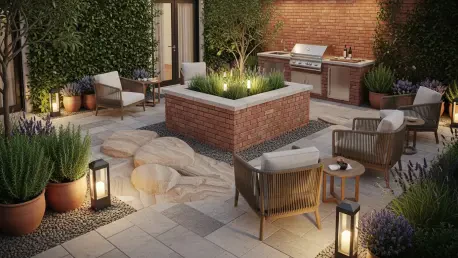

The contemporary American backyard is currently undergoing a profound metamorphosis as homeowners systematically dismantle the clinical, high-maintenance minimalism that defined the previous decade. This transition marks a deliberate move toward “warm modernism,” a design philosophy that prioritizes sensory experience, environmental responsibility, and historical depth over the stark lines of industrial chic. By looking back to the 1960s and 1970s, landscape architects are rediscovering the inherent value of organic textures and human-centric layouts that encourage lingering rather than just observing. This is not merely a superficial exercise in nostalgia; it is a sophisticated response to a modern craving for authenticity in an increasingly digital world. As families spend more time at home, the yard has evolved from a simple patch of grass into a complex, multi-functional sanctuary that balances high-tech irrigation and lighting with the earthy, grounded aesthetics of the mid-century era.
Enhancing Surface Texture and Social Layouts
Prioritizing Tactile Materials: The Shift Toward Permeability
One of the most significant changes in modern yards is the widespread rejection of flat, featureless surfaces in favor of materials like gravel and decomposed granite. These choices offer a rugged, low-key beauty that aligns perfectly with Mediterranean and mid-century modern influences while addressing urgent environmental concerns. Unlike traditional poured concrete or asphalt, these loose-fill materials are naturally permeable, allowing rainwater to filter directly into the ground rather than contributing to urban runoff. This functionality is increasingly critical in an era where water conservation and sustainable drainage are at the forefront of every landscaping project. Furthermore, the crunch of gravel underfoot provides a tactile and auditory experience that solid pavement simply cannot replicate, grounding the homeowner in their immediate environment and creating a more immersive outdoor experience that feels connected to the earth.
Beyond the practical benefits of drainage, the aesthetic appeal of sand-set stones and irregular paving is redefining the concept of the garden path. Designers are observing a distinct move away from the “perfect” look of smooth concrete, which often appears cold and institutional once it begins to show its age. In contrast, natural stone and hand-laid pavers develop a unique character over time, with moss or creeping thyme often filling the gaps to create a soft, weathered appearance. This “living” hardscape suggests a sense of history and permanence, making even a newly installed garden feel like it has been part of the landscape for decades. By selecting materials that age gracefully, homeowners are investing in a long-term vision of beauty that celebrates the natural patina of time, effectively rejecting the “disposable” culture of modern construction in favor of something far more enduring and soulful.
Creating Intimate Gathering Spaces: The Conversation Pit Revival
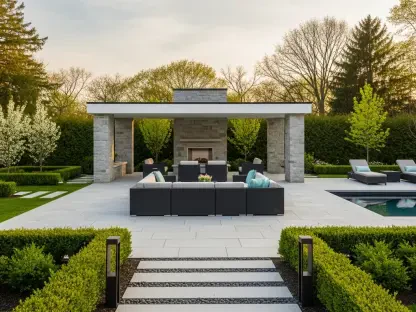
The iconic sunken conversation pit has made a major comeback in 2026, serving as a sophisticated focal point for social interaction and quiet reflection. Originally a hallmark of 1960s luxury, the modern iteration has been updated with cleaner architectural lines and integrated technology to suit contemporary lifestyles. These recessed seating areas create a sense of enclosure and intimacy that is impossible to achieve with standard patio furniture, drawing guests into a centralized space for meaningful connection. To ensure year-round usability, these pits are often equipped with discreetly integrated fire elements and subtle, low-voltage lighting that enhances the atmosphere after sunset. By physically lowering the perspective of the viewer, these structures also offer a unique vantage point of the surrounding garden, making the space feel more private and protected from the wind or the prying eyes of neighbors.
In tandem with the return of the conversation pit, there is a visible shift away from the rigid, modular sectionals that have dominated outdoor retail for years. Instead, professional designers are opting for a “free-form” approach, utilizing individual seating pieces and standalone tables to create a more curated and flexible environment. This method rejects the prescribed, “out-of-the-box” look of matched sets, allowing for a more luxurious and personalized aesthetic that reflects the homeowner’s individual style. By mixing different materials—such as a teak armchair paired with a stone side table—the outdoor living room gains a sense of curated sophistication. This flexibility also allows the space to evolve as needs change, moving away from the static layouts of the past and toward a more dynamic, adaptable way of living outdoors that prioritizes comfort and spontaneity over strict, formal symmetry.
Cultivating Authenticity Through Structure and Greenery
Reviving Classic Building Elements: The Return of Structural Brick
Brick is currently seeing a massive renaissance in American landscape design, moving far beyond its traditional role in simple walkways to become a “monolithic” structural element. In contemporary yards, high-quality brick is being used to construct heavy-duty built-in planters, permanent benches, and expansive outdoor kitchens that anchor the space with a sense of architectural weight. This trend harks back to the 1970s movement that valued visible craftsmanship and the use of “honest” materials. Unlike synthetic alternatives, brick provides a rich, tonal variety that complements the greenery of the garden, creating a warm and inviting backdrop for outdoor living. When used in large volumes, it lends a feeling of structural integrity and permanence to the yard, bridging the gap between the primary residence and the natural environment through a shared language of masonry and earth-toned colors.
To balance the substantial visual weight of brick and stone, designers are reintroducing natural wicker and rattan furniture to provide a relaxed, airy counterpoint. This revival of 1970s organicism offers a soft, fibrous texture that contrasts beautifully with the hard edges of masonry and concrete. Modern wicker is often treated with advanced UV-resistant coatings to ensure it survives the elements without losing its characteristic flexibility and warmth. When paired with textured outdoor rugs and plush, weather-resistant textiles, these pieces create a nature-inspired atmosphere that feels both retro and highly sophisticated. This interplay between the heavy, permanent structure of the garden and the light, movable elements of the furniture creates a harmonious balance, ensuring the yard feels grounded yet comfortable, and architectural yet lived-in, reflecting a broader cultural desire for homes that feel like sanctuaries.
Time-Tested FlorBringing Back Nostalgic Plant Palettes
Horticultural choices in 2026 are leaning heavily into nostalgia, with a renewed interest in functional and “old-school” plantings that prioritize fragrance and utility. Potted herbs like rosemary, mint, and lavender are being placed in large, textured terracotta containers near outdoor kitchens and seating areas, blending culinary practicality with a laid-back, organic vibe. This return to herb gardening is part of a larger movement toward “edible landscaping,” where every element of the yard serves a dual purpose of beauty and production. By integrating these plants into the immediate living space, homeowners are creating a multi-sensory environment where the scent of crushed herbs and the sight of buzzing pollinators contribute to a feeling of well-being. This approach moves away from the purely ornamental gardens of the past, favoring a more interactive and rewarding relationship with the local ecosystem.
For privacy and structural definition, many are returning to traditional favorites such as hydrangea, lilac, and camellia, which offer a lush and timeless alternative to the sparse look of extreme minimalism. Layering these classic cultivars, along with stately trees like the Magnolia grandiflora, helps a landscape feel mature and established almost immediately. These plants are often used to create “green walls” or formal hedges that provide a sense of seclusion without the need for harsh fencing. Furthermore, the final touch in many high-end renovations is the use of bullnose coping to finish walls and planters. This rounded edge treatment effectively softens the linear harshness of brick and concrete, providing a polished, professional look that was ubiquitous in high-end mid-century design. These subtle architectural details, combined with a rich, layered planting scheme, ensure that the modern yard is not just a place to look at, but a place to truly inhabit.
The shift toward retro-inspired yards has successfully moved beyond mere aesthetic preference to become a holistic approach to sustainable and meaningful living. Homeowners who once sought the quickest path to a “modern” look are now finding that longevity and character are far more valuable than following fleeting, sterile trends. By integrating permeable hardscapes like gravel, the social intimacy of sunken pits, and the structural honesty of brick, residents have created spaces that are both environmentally responsible and deeply personal. Moving forward, the focus should remain on the “living” aspect of the garden—choosing materials that develop a patina and plants that offer seasonal interest. Future projects would benefit from prioritizing local stone and native varieties of traditional flora to further enhance ecological harmony. Ultimately, the most successful outdoor spaces of this era are those that celebrate the passage of time rather than trying to freeze it, resulting in yards that feel as though they have always belonged to the land they occupy.