
The traditional office environment, once a rigid monument to corporate branding and standardized functionality, has encountered a profound existential shift as modern workforces demand spaces that accommodate the full spectrum of human diversity. For decades, the benchmark for accessibility remained tethered to the minimum legal requirements of the Americans with Disabilities Act, a reactive framework that often resulted in stigmatizing retrofits or separate-but-equal entrances that marginalized individuals with unique physical or cognitive needs. In the current landscape of 2026, the conversation has matured into a proactive embrace of Universal Design, a philosophy that seeks to create environments that are inherently usable by everyone regardless of age, size, or ability. This transition is not merely a matter of social responsibility but a necessary response to a labor market that is more heterogeneous than ever before, spanning four distinct generations and a growing recognition of neurodiversity within the professional ranks. As the physical workplace evolves into a hybrid hub where the lines between private work and public engagement blur, the architecture itself must act as a silent facilitator of independence and comfort, ensuring that every user, from a high-level executive to a first-time visitor, feels an immediate sense of belonging and operational ease without the need for specialized requests or awkward modifications.
Core Principles: Building Foundations for Equitable Use
Designing for equity requires a fundamental departure from the “one-size-fits-all” mentality that dominated commercial real estate for the better part of the last century. When applying the principle of equitable use, architects and facility managers are now prioritizing features that provide the same means of use for all participants, thereby avoiding the segregation of users with differing physical requirements. A concrete example of this is the redesign of reception areas, where traditional high counters are being replaced by multi-height transaction surfaces that serve both standing individuals and those using mobility devices with equal dignity. This approach naturally extends to the integration of technology, where touchscreens and check-in kiosks are positioned at reachable heights and equipped with high-contrast interfaces and voice-guided assistance. By ensuring that the primary entrance and initial points of contact are universally accessible, organizations eliminate the psychological barriers that often accompany navigating a space that was not originally built with a diverse range of bodies in mind, fostering an atmosphere where inclusion is treated as a baseline expectation rather than an afterthought.
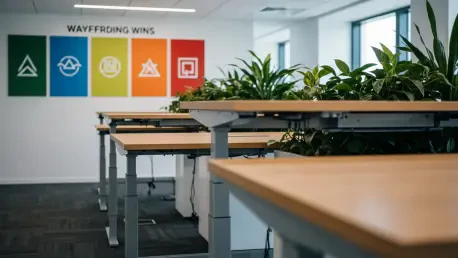
Flexibility in use serves as the second pillar of this inclusive framework, acknowledging that a single individual’s needs can fluctuate throughout the day based on their tasks or physical state. Modern office floor plans are increasingly incorporating height-adjustable workstations that allow employees to transition between sitting and standing, which mitigates physical fatigue and supports those with chronic pain or circulatory issues. Beyond the desk, this flexibility manifests in the variety of seating options available in collaboration zones, ranging from ergonomic chairs with high lumbar support to firm lounge seating that allows for easier ingress and egress for individuals with limited mobility. The goal is to provide a suite of environmental choices that cater to different communication styles and physical postures, allowing the user to tailor the space to their immediate requirements. This level of adaptability reduces the administrative burden on facility managers, as the environment is already optimized to handle a wide range of human variances, effectively future-proofing the space against the evolving demographic trends that will continue to shape the workforce from 2026 to 2030 and beyond.
Navigational Clarity: Enhancing Cognitive and Physical Flow
The complexity of modern commercial buildings often presents a significant challenge for visitors and employees alike, making simple and intuitive use a critical focus for Universal Design implementation. Navigational ease should never be sacrificed for the sake of avant-garde aesthetics or subtle branding that obscures the logical flow of a building. Effective wayfinding in 2026 utilizes a combination of visual, tactile, and auditory cues to guide individuals through a space without requiring high levels of concentration or fluency in a specific language. This includes the use of consistent color-coding for different floors, clear and bold typography on signage that is placed at eye level, and tactile floor indicators that alert individuals with visual impairments to changes in direction or upcoming hazards like stairs. By reducing the cognitive load required to move from point A to point B, facility managers create a more welcoming environment for neurodivergent individuals, such as those with autism or ADHD, who may find cluttered or poorly marked spaces overstimulating and stressful. When navigation is intuitive, it empowers every user to move with confidence and autonomy, reinforcing the idea that the building was designed with their specific journey in mind.
Physical safety and the tolerance for error are also paramount when rethinking the flow of a commercial interior, as a truly inclusive space must minimize the consequences of accidental actions. This involves the selection of slip-resistant flooring materials that maintain traction even when wet and the elimination of subtle floor-level changes that could pose tripping hazards for those with impaired gait or vision. Lighting plays a dual role in this context, providing high-contrast illumination that defines edges and transitions while remaining glare-free to assist individuals with sensory sensitivities or low vision. Furthermore, the arrangement of furniture within high-traffic corridors must be strictly managed to ensure wide clearances, allowing users of wheelchairs, walkers, or even those carrying heavy equipment to pass through without obstruction. By designing with a low tolerance for error, facility owners not only protect the well-being of their occupants but also decrease the likelihood of workplace accidents, which serves to stabilize insurance premiums and reduce the legal liabilities associated with property management. This commitment to safety ensures that the environment remains functional for everyone, regardless of their physical condition or momentary distractions.
Zones of Interaction: Balancing Privacy and Public Access
The internal ecosystem of an office is typically divided into private zones for sustained focus and public-facing areas for collaboration and hospitality, each requiring a tailored approach to Universal Design. In private employee areas, the emphasis is placed on sensory management and long-term comfort to support a neurodiverse staff. This includes the strategic use of acoustic materials to dampen background noise and the creation of designated quiet zones where employees can retreat from the stimulus of an open-plan office. Lighting in these areas is often decentralized, allowing individuals to control the brightness and color temperature of their immediate surroundings through smart building interfaces. These considerations are vital for maintaining productivity and mental health, as they acknowledge that an employee’s ability to focus is deeply connected to their environmental environment. By providing a variety of work settings, from high-stimulus collaborative hubs to low-stimulus focus pods, employers can accommodate the fluctuating needs of their team members, whether they are recovering from a temporary injury or managing a permanent cognitive condition that requires a specific sensory profile.
Public zones, such as lobbies, restrooms, and cafeterias, serve as the primary interface between the organization and the outside world, necessitating a design that prioritizes immediate belonging and ease of use. Restrooms, in particular, have become a focal point for inclusive design, with forward-thinking facilities moving beyond minimum stall counts to provide spacious, gender-neutral facilities that offer privacy and enough room for mobility devices or caregivers. In lobbies and reception areas, the focus is on creating a sense of hospitality that does not require a visitor to ask for help or special accommodations upon arrival. This means providing clear, step-free paths from the street to the reception desk and ensuring that digital check-in systems are reachable and usable for everyone. When a visitor can navigate a building’s public zones independently, it reinforces a sense of respect and dignity, which is essential for building positive relationships with clients, vendors, and prospective talent. These public spaces act as a physical manifestation of a company’s values, proving that their commitment to diversity and inclusion extends beyond corporate policy and into the very fabric of their physical environment.
The Economic Logic: Driving Value Through Inclusive Architecture
From a strategic business perspective, the adoption of Universal Design is increasingly recognized as a driver of long-term asset value rather than an optional philanthropic expense. In the competitive real estate market of 2026, buildings that are “Inclusive By Design” command higher interest from premium tenants who view an accessible workplace as a critical tool for talent attraction and retention. Corporations are now seeking out spaces that align with their internal diversity, equity, and inclusion goals, making universally designed properties more resilient against market fluctuations and high vacancy rates. Furthermore, by incorporating inclusive features during the initial design or major renovation phase, building owners avoid the significant costs associated with future retrofits or custom accommodations requested by individual employees. This proactive investment leads to a more durable and versatile asset that can adapt to the changing needs of the population as it ages, ensuring that the property remains relevant and functional for decades without requiring constant, expensive structural modifications.
Beyond the immediate market appeal, the operational benefits of Universal Design contribute significantly to the bottom line by reducing friction and enhancing efficiency. Universally designed spaces often require less manual intervention from facility staff, as intuitive technology and logical layouts allow users to self-serve and navigate without assistance. The reduction in workplace injuries, facilitated by better lighting, non-slip surfaces, and ergonomic furniture, leads to lower workers’ compensation claims and improved employee morale, which directly correlates with higher levels of engagement and productivity. When the physical environment removes the barriers to performance, the entire organization operates more smoothly, allowing leadership to focus on core business objectives rather than spatial troubleshooting. Ultimately, the consensus among industry leaders is that inclusive design is synonymous with smart design; it creates a superior experience for the widest possible audience, thereby maximizing the utility and profitability of the commercial square footage. By viewing inclusion as a baseline for excellence, facility executives are transforming their buildings into high-performing environments that support the full spectrum of human potential.
Future Outlook: Steps Toward Universal Integration
The evolution of commercial interiors throughout the mid-2020s demonstrated that the transition toward Universal Design was a fundamental necessity for organizational resilience. Leaders who successfully integrated these principles did so by moving beyond the checklist mentality of previous decades and instead treated inclusion as a central design objective from the project’s inception. They recognized that a building’s success was not measured solely by its aesthetic appeal or its technological sophistication, but by its ability to provide a seamless and dignified experience for every person who walked through its doors. This shift in perspective required a collaborative effort between architects, facility managers, and diverse user groups to identify and eliminate the subtle barriers that had historically hindered full participation in the workplace. By prioritizing flexibility, intuitive navigation, and sensory comfort, these organizations created environments where people of all abilities could thrive without feeling like they were an exception to the rule.
Moving forward, the primary objective for facility managers involves conducting comprehensive spatial audits to identify areas where current layouts still rely on specialized accommodations rather than universal solutions. Actionable steps should include the gradual replacement of fixed-height furniture with adjustable alternatives and the implementation of multi-sensory wayfinding systems during scheduled maintenance cycles. It is also essential to engage with neurodivergent employees and those with physical disabilities during the design phase of any new project to ensure that lived experience informs the final architectural outcomes. By fostering a culture where spatial equity is continuously evaluated and improved, businesses will ensure their physical assets remain competitive and welcoming in an increasingly diverse world. This proactive stance on design does more than just fulfill a corporate mandate; it builds a foundation for a culture of belonging that will define the most successful commercial spaces for the remainder of the decade.