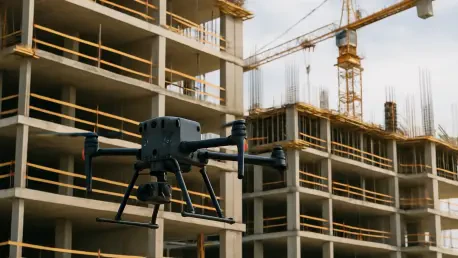

The traditional method of inspecting high-rise building facades through manual labor and scaffolding is rapidly being replaced by autonomous aerial systems that prioritize safety and precision in urban environments. This evolution is underscored by the collaboration between NovaPeak, a subsidiary of ISDN Holdings, and the Panasonic R&D Center Singapore, which marks a significant milestone in the digital transformation of the global construction sector. At the heart of this partnership is the development of LiveInspect.AI, a sophisticated platform that seamlessly integrates advanced drone technology with machine learning algorithms to automate the detection of structural flaws. By utilizing high-resolution imagery captured during flight, the system identifies critical issues such as hairline cracks and loose architectural components with a level of accuracy that human inspectors struggle to replicate consistently. This shift toward automation ensures that building maintenance is no longer a sporadic necessity but a continuous, data-driven process that mitigates risks before they escalate.
Synergy of Technical Algorithms and Empirical Insights
The strategic alliance between these two industry leaders relies on a unique synergy where Panasonic provides the advanced AI algorithms and software engineering while NovaPeak contributes deep field expertise and high-quality data. In the current landscape of 2026, the effectiveness of any artificial intelligence platform depends heavily on the robustness of the data used to train its neural networks. NovaPeak’s extensive history of inspecting more than 1,000 buildings provides the necessary foundation for this training, ensuring the AI can distinguish between harmless surface weathering and genuine structural threats. This empirical approach addresses a common bottleneck in AI adoption where software often fails to account for the unpredictable variables found in real-world construction. By merging rigorous laboratory testing with vast amounts of practical field data, the partnership created a tool that is both technologically superior and practically applicable to the diverse architectural styles found in modern metropolitan centers.
Significant commercial success has already followed the deployment of this technology, particularly within the Singaporean market where NovaPeak secured a substantial contract with the Housing & Development Board. This achievement is largely driven by the stringent regulatory environment of the region, specifically the Periodic Facade Inspection regime that mandates regular safety checks for older high-rise structures. Because these legal requirements are so rigorous, the market naturally favors specialized providers capable of offering a unified solution that combines flight capability with a comprehensive understanding of structural engineering. The ability to meet these high standards has positioned the collaboration as a primary player in the effort to modernize urban safety protocols. Furthermore, the integration of such technology reduces the operational downtime typically associated with traditional inspection methods, allowing building managers to maintain compliance without disrupting the daily activities of tenants.
Evolution Toward Predictive Analytics and Asset Management
Beyond the immediate goal of defect detection, the partnership is actively expanding the platform’s capabilities into the burgeoning realm of digital twins and sophisticated modeling. By merging high-resolution drone data with existing Building Information Models, the system will eventually facilitate a comprehensive framework for predictive maintenance across entire urban landscapes. This integration allows building managers to monitor structural health in real-time, creating a dynamic digital replica of the physical asset that reflects its current condition with pinpoint accuracy. This technological leap moves the industry away from the outdated model of reactive repairs, where issues are only addressed after visible damage has occurred, toward a proactive strategy informed by longitudinal data analysis. Such advancements are crucial for the longevity of modern infrastructure, as they provide a clear roadmap for maintenance schedules that can be adjusted based on the actual wear and tear observed by the AI.
The broader implications of this collaborative effort signal a fundamental shift toward creating a unified digital infrastructure for long-term urban asset management on a global scale. As cities continue to grow vertically, the complexity of maintaining high-density environments requires a departure from manual oversight in favor of automated, scalable solutions that can handle vast amounts of visual information. The move toward data-driven maintenance allows stakeholders to allocate resources more effectively, prioritizing repairs on the buildings that show the earliest signs of fatigue. Consequently, this collaboration is not merely focused on improving the speed of inspections but on redefining the underlying philosophy of how global urban infrastructure is preserved in the digital age. By establishing a standard for AI-driven oversight, the partnership encourages other sectors of the construction industry to adopt similar transparency and efficiency, ultimately leading to safer cities where structural integrity is managed intelligently.
The successful implementation of LiveInspect.AI demonstrated that the fusion of robotic hardware and intelligent software was the most viable path for ensuring long-term structural safety in dense urban environments. To capitalize on these advancements, building owners and facility managers were encouraged to integrate these automated workflows into their standard operating procedures immediately. This transition required a shift in organizational mindset, prioritizing early investment in digital twin technology to reduce future emergency repair costs and extend the operational lifespan of high-rise assets. Strategic planning for the years from 2026 to 2030 focused on building a centralized database where structural health data could be analyzed to identify city-wide trends in material degradation. By moving toward this proactive model, the industry effectively minimized the risk of catastrophic failures while maximizing the efficiency of limited maintenance budgets and enhancing the overall safety of real estate portfolios.