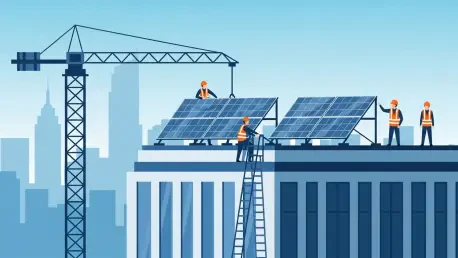

New York City’s iconic skyline, a symbol of architectural ambition, is now at the forefront of a monumental effort to combat climate change through the adoption of two groundbreaking new codes on January 17. By enacting the 2025 New York City Energy Conservation Code (NYCECC) and the NYC Existing Building Code, the city is mandating a new era of sustainable construction and renovation. These comprehensive regulations are strategically designed to significantly increase energy efficiency, bolster building resilience against extreme weather, and accelerate the transition toward “smart electrification” for millions of structures. The framework not only harmonizes the city’s standards with state and international benchmarks but also introduces uniquely stringent local requirements, cementing New York’s position as a national leader in urban climate action and setting a new precedent for how metropolises can legislate a greener future.
Inside the New Energy Conservation Code
Alignment with State and National Standards
The core of this legislative overhaul is the 2025 NYCECC, which meticulously aligns New York City’s local energy regulations with the recently adopted Energy Conservation Construction Code of New York State (ECCCNYS). This strategic synchronization ensures that construction practices within the five boroughs are consistent with broader state objectives and benefit from a foundation built on internationally recognized best practices. The state code itself is derived from the most current national standards, including the 2024 International Energy Conservation Code (IECC) and ASHRAE Standard 90.1-2022. According to analysis by the Urban Green Council, these underlying standards are projected to deliver an impressive 9.8% in site energy savings for commercial buildings on a national scale. This represents a substantial reduction in operational costs and environmental impact, driven by a holistic approach to building performance.
A key focus of these integrated standards is the enhancement of the building envelope—the physical barrier between the conditioned interior and the unconditioned exterior. The new code mandates superior performance through a combination of stronger insulation requirements, more effective air sealing techniques to prevent energy-wasting leaks, and lower U-factors for windows, which signifies better resistance to heat flow. Furthermore, the code introduces specific provisions aimed at mitigating thermal bridging, a phenomenon where highly conductive materials like steel studs transfer heat through the insulation layer, creating cold spots and undermining overall efficiency. Complementing these structural improvements, the NYCECC also calls for updated procedures for the testing and inspection of these systems, ensuring that design specifications are correctly implemented during construction, and mandates the adoption of more advanced, high-efficiency lighting systems to further curtail energy consumption.
NYC-Specific Enhancements and Electrification Focus
While adopting statewide standards provides a robust baseline, the 2025 NYCECC also introduces several critical measures that are unique to New York City, reflecting the city’s specific environmental goals and urban density challenges. A cornerstone of this localized approach is the new requirement for mandatory air-leakage testing for all new buildings. This diagnostic procedure, which pressurizes or depressurizes a building to measure its airtightness, provides a definitive verification of construction quality and ensures that the building envelope performs as designed, preventing significant energy loss. This measure moves beyond mere prescriptive requirements to a performance-verified standard, holding developers and contractors accountable for delivering genuinely efficient structures. The code also requires that the documentation and inspection of air barrier commissions become an integral part of the official construction documentation for commercial properties, creating a clear record of compliance.
The new code places a powerful emphasis on advancing smart electrification, a key strategy for decarbonizing the building sector. It establishes notably stricter rules for the use of backup heating systems, specifically targeting the inefficiency of electric resistance heating. The NYCECC caps the capacity of such systems at 25% of a building’s total design load, severely limiting its role to that of a supplemental source rather than a primary one. Moreover, these backup systems are only permitted to operate when the outdoor temperature plunges below a stringent threshold of 17°F, ensuring they are used only in extreme conditions. To further optimize grid stability and energy use, the code introduces new demand-response requirements for commercial water heating and lighting systems. These protocols enable buildings to automatically reduce their electricity consumption during peak demand periods, which helps manage strain on the electrical grid and unlocks significant operational savings for building owners.
Navigating Renovations and Rollout Timelines
Streamlining Upgrades for Older Buildings
The second major pillar of the city’s legislative action is the formal adoption of the NYC Existing Building Code (EBC), a framework based on the well-established International Existing Building Code. This new code is specifically engineered to address the immense and complex challenge of renovating and maintaining New York City’s vast portfolio of older buildings, many of which were constructed long before modern energy efficiency standards were conceived. The primary objective of the EBC is to simplify the existing regulatory structure, which has often been criticized by architects, engineers, and building owners as a convoluted and significant impediment to otherwise viable rehabilitation projects. By creating a dedicated and unified code, the city aims to remove these barriers and actively encourage the modernization of its aging building stock.
The EBC is set to provide building operators and design professionals with more flexible and intuitive compliance pathways for a wide range of alteration projects. It offers clear, consolidated guidance for those filing alteration applications, making the city’s codes easier to navigate and interpret. This clarity is expected to significantly streamline the process of upgrading existing buildings to be more energy-efficient, resilient, and compliant with modern safety standards. By making renovations less bureaucratic and more predictable, the EBC will facilitate critical improvements that not only reduce a building’s carbon footprint but also enhance its durability and operational performance. This proactive approach is essential for achieving the city’s long-term climate goals, as improving the performance of the millions of existing square feet is just as important as ensuring new constructions are built to the highest standards.
Key Dates for Compliance
The implementation and enforcement of these two transformative codes will proceed on separate and distinct timelines, allowing the industry time to adapt to the new requirements. The NYC Department of Buildings (DOB) is scheduled to begin enforcing the new 2025 New York City Energy Conservation Code on March 30, a date that is contingent upon the public availability of updated compliance software needed for project filings. Any energy-related filings for new construction, additions, or major renovations submitted to the department before this official enforcement date must continue to adhere to the standards outlined in the previous 2020 NYC Energy Code. This clear cutoff provides a defined transition period for projects that are already in advanced stages of design or planning, preventing disruptive mid-stream changes to their compliance strategy.
In contrast, the new NYC Existing Building Code has a much longer implementation runway, reflecting the complexity of applying new standards to a diverse array of existing structures. This code will not become effective until July 17, 2027, giving property owners, contractors, and design professionals ample time to familiarize themselves with its provisions and plan future renovation projects accordingly. Until that future date, all alterations, repairs, and maintenance activities performed on existing buildings will continue to be governed by the regulations contained within the Administrative Code of the City of New York and the 2022 New York City Construction Codes. This staggered rollout ensures a measured and orderly transition, allowing the real estate and construction industries to absorb the changes without overwhelming the system, while prioritizing the immediate application of new energy standards to new construction.
The Bigger Picture: NYC’s Climate Goals and Future Steps
The enactment of these codes represented a significant milestone in New York City’s comprehensive legislative strategy to address the climate crisis. The new standards did not operate in a vacuum; instead, they were designed to integrate with and reinforce a suite of ambitious existing laws. This included Local Law 97, which imposed progressively stricter greenhouse gas emission limits on the city’s largest buildings, and the All-Electric Buildings Law, which mandated that most new construction projects utilize electric systems for heat and appliances, effectively phasing out fossil fuels. Looking beyond these immediate changes, the NYC Department of Buildings was also tasked with developing performance-based compliance pathways as required by Local Law 32. This initiative promised to establish “predicted energy use targets,” which would have allowed eligible buildings over 25,000 square feet to demonstrate compliance by designing to a specific annual energy use forecast rather than following a purely prescriptive, checklist-style path. Industry experts advised that building owners and design teams immediately began preparing for these shifts, evaluating how upcoming projects could be impacted to avoid potential delays or the need for costly rework once the new codes were fully enforced. This proactive planning became essential for navigating the city’s evolving regulatory landscape.