
The evolution of our built environment is often propelled by the bold visions presented in design competitions, which serve as crucial platforms for innovation, challenging established norms and envisioning new possibilities for how we live, work, and interact. From monumental government complexes to the revitalization of cherished public spaces, these contests invite architects, planners, and students to tackle complex problems with creativity and foresight. Recently, a new slate of international opportunities has emerged, each seeking forward-thinking and contextually sensitive proposals that promise to shape the future of urban landscapes and architectural expression. These competitions offer a unique arena for designers to not only showcase their talent on a global stage but also to contribute meaningfully to the development of communities and the advancement of the design profession itself. They represent a call to action for those ready to translate abstract ideas into tangible, impactful solutions that address contemporary challenges while honoring cultural and environmental heritage.
Shaping Future Cities Through Visionary Urban Planning
A New Governmental Heart for South Korea
A significant opportunity has arisen in South Korea with the launch of the International Master Plan Competition for the National Assembly Sejong Complex. This foundational contest seeks to establish a comprehensive spatial framework for a new government hub, setting a high standard for all subsequent architectural projects within the complex. The primary objective is to develop a design that not only serves its functional purpose but also symbolically represents the dignity and aspirations of the Republic of Korea. Participants are challenged to create an outstanding and creative proposal that embodies a clear, forward-looking vision for the nation. This involves more than just architectural prowess; it requires a deep understanding of urban planning, landscape integration, and the socio-political role of governmental structures. The winning master plan will serve as the blueprint for a complex that must balance security, accessibility, and monumental presence, creating a space that is both a powerful national symbol and a welcoming public asset for generations to come.
The scope of the Sejong Complex competition extends far beyond the design of individual buildings, demanding a holistic approach to urbanism. Entrants must consider the complex’s relationship with its surrounding areas, ensuring seamless integration with the existing fabric of Sejong City, the nation’s administrative capital. The master plan needs to address critical aspects such as transportation networks, green spaces, and sustainable infrastructure, all while fostering a cohesive and harmonious environment. The competition calls for proposals that can adapt to future needs, creating a resilient and dynamic governmental center. The challenge lies in crafting a spatial narrative that communicates democratic values and administrative transparency through design. This requires a sophisticated blend of tradition and modernity, creating a landmark that is rooted in Korean identity while projecting a progressive and global outlook. The jury will be looking for a comprehensive vision that meticulously orchestrates the interplay between architecture, landscape, and public life to define a new civic heart for the nation.
Reimagining a Chinese Coastal Destination
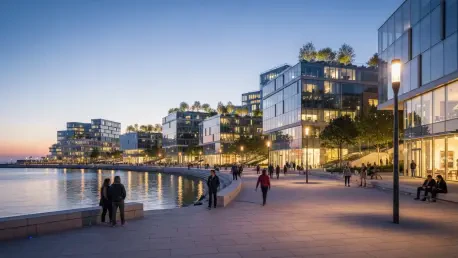
In another ambitious undertaking, the International Competition for Conceptual Planning and Design of Sanya Dadonghai Urban Renewal aims to transform a well-known seaside resort in Sanya, China. This initiative calls for visionary renewal plans to convert the area into a vibrant, mixed-use urban coastal destination. The competition seeks to harness international expertise while demanding a profound respect for local distinctiveness, ensuring that the final development feels both world-class and authentically Sanya. Participants are tasked with formulating practical strategies and compelling conceptual schemes that will guide the future trajectory of Dadonghai. The goal is to move beyond simple aesthetic upgrades and fundamentally rethink the area’s economic, social, and environmental framework. This involves proposing a diversified mix of uses—including residential, commercial, cultural, and recreational—to create a year-round destination that appeals to both tourists and local residents, fostering a resilient and sustainable local economy.
The Dadonghai urban renewal project presents a complex challenge: balancing intensive development with the preservation of the natural coastal environment that is central to its appeal. Competitors must develop strategies that enhance public access to the waterfront, improve ecological health, and integrate green infrastructure throughout the district. The conceptual schemes are expected to be both innovative and pragmatic, outlining a phased implementation plan that is economically viable and socially inclusive. This means addressing issues like traffic congestion, housing affordability, and the creation of high-quality public spaces. The success of the project hinges on the ability of designers to craft a compelling narrative for Dadonghai’s future, one that honors its past as a beloved resort while positioning it as a leading example of progressive coastal urbanism. The competition is ultimately a search for a holistic vision that can orchestrate a complex set of variables into a cohesive, beautiful, and functional urban environment.
Recognizing Excellence in Specific Design Disciplines
Celebrating the Next Generation of Landscape Architects
The ASLA 2026 Student Awards program stands as a vital platform for celebrating excellence in landscape architecture education and recognizing the immense talent emerging from universities. This prestigious program is designed to showcase the depth and creativity of student work across a wide spectrum of categories, including general design, residential design, analysis and planning, research, and communications. To be considered for an award, a winning submission must demonstrate a clear and compelling intent, a thoughtful and nuanced response to the specific site and its broader context, and a strong command of the core principles of landscape architecture. The awards not only provide students with invaluable recognition from leading professionals but also serve as a barometer for the evolving concerns and innovations within the field. The highlighted projects often tackle pressing contemporary issues such as climate change, social equity, and ecological restoration, offering fresh perspectives and inventive solutions that push the boundaries of the discipline.
This awards program plays a crucial role in launching the careers of young landscape architects, providing a prestigious credential that signals exceptional skill and forward-thinking design capabilities to potential employers and collaborators. The rigorous judging process, conducted by a jury of esteemed professionals, ensures that only the most outstanding and impactful projects are selected. Beyond individual accolades, the collective body of winning work offers a fascinating glimpse into the future of the profession, revealing emerging trends in design methodology, graphic representation, and theoretical discourse. For the students, the process of preparing a submission is an educational experience in itself, requiring them to articulate their design process and conceptual framework with clarity and conviction. Ultimately, the ASLA Student Awards program fosters a culture of excellence and innovation, inspiring the next generation to create landscapes that are not only beautiful and functional but also socially and ecologically responsible.
Honoring Timeless Materiality in Modern Architecture
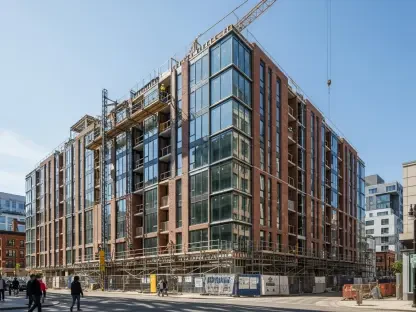
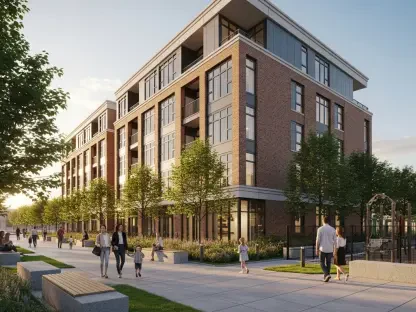
A unique opportunity to celebrate architectural innovation through a classic material is presented by the Erich Mendelsohn Award 2026 for Brick Architecture. This prestigious prize, awarded every three years by the Initiative Bauen mit Backstein, invites architects and planners to showcase their most creative and skillful uses of brick. The award seeks to identify and honor the best buildings constructed with this traditional yet remarkably versatile material, presenting them to a broad public audience across four distinct categories. This competition underscores the enduring relevance of brick in contemporary architecture, highlighting its capacity for both aesthetic expression and high-performance functionality. By focusing on a single material, the award encourages a deep exploration of its properties, from its structural capabilities and thermal performance to its rich textural and chromatic possibilities. The competition serves to remind the design community that innovation does not always require new materials, but can often be found in the masterful and imaginative application of time-tested ones.
The Erich Mendelsohn Award plays a significant role in promoting high-quality design and craftsmanship within the architectural profession. It not only provides a platform for recognizing outstanding built works but also fosters a dialogue about the role of materiality in creating meaningful and durable architecture. The selection of winning projects across different categories—such as single-family homes, public buildings, and urban infill—demonstrates the incredible adaptability of brick to diverse scales, typologies, and contexts. The award’s international scope brings together a wide range of architectural approaches, revealing how different cultures and climates inspire unique expressions with the same fundamental building block. For the honored architects, the award is a significant professional achievement, validating their commitment to design excellence and material integrity. For the broader public, the showcased projects offer tangible examples of how thoughtful design and quality construction can enrich the built environment for everyone.
A Concluding Reflection on Creative Endeavors
The array of competitions and awards discussed here provided a snapshot of the dynamic and multifaceted nature of the global design landscape. They represented more than just contests for prestige; they were invitations to solve real-world problems, redefine public spaces, and honor both emerging talent and established mastery. From the grand-scale urban planning required for a new national complex in South Korea to the detailed craftsmanship celebrated in European brick architecture, each opportunity challenged participants to push the boundaries of their creativity and technical skill. These initiatives ultimately enriched the profession by fostering a culture of innovation and critical thinking. The solutions and visions that emerged from these contests have since gone on to influence a new generation of design, leaving a lasting impact on how cities are built and how materials are used, shaping a more thoughtful and resilient built environment.