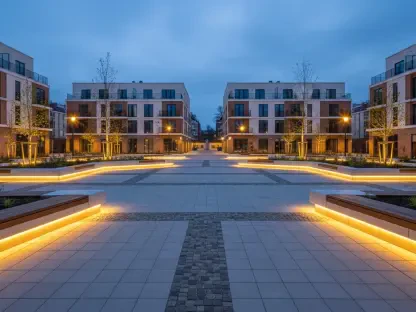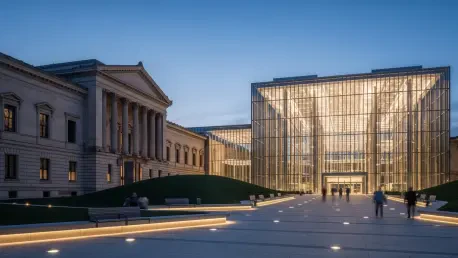

In a move poised to redefine its iconic presence in Trafalgar Square, the National Gallery has initiated the most substantial transformation in its two-hundred-year history, embarking on a monumental £375 million expansion that promises a new era of public engagement and artistic display. The institution is now publicly searching for a visionary landscape architect to craft the public realm for its new wing, a critical role that will shape the visitor’s first impression and the gallery’s integration with the surrounding urban fabric. This ambitious undertaking is not merely an architectural addition but a strategic reimagining of the gallery’s campus, designed to enhance its accessibility, functionality, and overall aesthetic appeal for generations to come. The tender for this pivotal design contract underscores the project’s complexity and long-term vision, signaling a deep commitment to creating a world-class cultural destination that harmonizes its historic legacy with contemporary design principles and the evolving needs of a global audience. The project represents a confluence of significant philanthropy, architectural innovation, and a forward-looking curatorial strategy.
The Search for Visionary Talent
The search for a landscape architect is defined by a comprehensive and long-term contract valued at £900,000, spanning nearly six years from May 1, 2026, to March 31, 2032. The selected firm or individual will be entrusted with a mandate that extends across all seven Royal Institute of British Architects (RIBA) stages of work, from initial concept to post-completion analysis. This extensive involvement necessitates a deep and sustained collaboration with the yet-to-be-appointed lead architect, as well as a host of engineers and specialized consultants, to ensure a cohesive and seamlessly executed project. A crucial component of the role involves navigating the intricate web of regulatory requirements inherent in altering a landmark of such national importance. The architect will be responsible for managing the complex planning and listed building consent processes, requiring delicate negotiations and proactive engagement with statutory authorities to safeguard the site’s heritage while advancing the new design. This position is central to translating the gallery’s ambitious vision into a tangible and welcoming public space that respects its historic context.
This high-profile recruitment effort is proceeding in tandem with the gallery’s search for a lead Mechanical, Electrical, and Plumbing (MEP) engineer, a role carrying a substantial £3.3 million contract over the identical six-year period. The synchronized timing, with an application deadline of February 17 and appointments anticipated by April 28, highlights the project’s integrated approach and aggressive timeline. These specialist appointments will support the work of the lead architect, for which an elite shortlist of six globally renowned firms was recently unveiled. The list features architectural powerhouses such as Foster & Partners and Renzo Piano Building Workshop, indicating the high caliber of design excellence the gallery aims to achieve. The new wing itself is slated for construction on the last available parcel of land within the gallery’s campus, a site currently occupied by the 1960s-era St Vincent House, which will be demolished to make way for the modern extension. This strategic placement ensures the new development will be fully integrated into the existing gallery complex.
A Landmark Philanthropic Endeavor
The financial underpinnings of this historic expansion are as remarkable as its architectural ambitions, secured through a trio of monumental philanthropic contributions. The project’s £375 million budget is fully funded by two of the largest private donations ever made to a cultural institution worldwide: staggering £150 million gifts from both the Crankstart charity and the Julia Rausing Trust. These cornerstone donations are supplemented by an additional £75 million contribution from the National Gallery Trust, collectively providing the robust financial foundation necessary to realize a project of this scale and complexity without reliance on public funds. This massive infusion of private capital is a testament to the gallery’s enduring cultural significance and the compelling vision for its future. The extension, however, represents just one component of a far broader and more transformative £750 million initiative known as “Project Domani.” This grander program aims to fundamentally reshape the gallery’s future by establishing a powerful acquisition fund dedicated to modern art, thereby extending the scope of its collection.
The overarching goals of “Project Domani” extended far beyond the construction of a new building, aiming to secure the museum’s long-term financial health and solidify its status as the premier global destination for experiencing the complete history of Western painting. The initiative was designed to be a holistic revitalization of the institution. A key element of this strategic vision was the establishment of a groundbreaking partnership with the Tate, which involved the loan of significant artworks and the provision of invaluable curatorial expertise. This collaboration was intended to enrich the National Gallery’s collection and programming, offering visitors a more comprehensive and dynamic narrative of art history. The expansion and the broader project were conceived to not only enhance the physical campus but also to invigorate the gallery’s intellectual and financial core, ensuring its continued relevance and leadership in the international art world for the next century and beyond. The successful recruitment of top-tier design talent was the critical next step in bringing this multifaceted vision to life.