
The rapid evaporation of the minimalist, monochromatic aesthetic that dominated domestic interiors for nearly a decade has finally paved the way for a more soul-stirring and idiosyncratic approach to home curation. Homeowners are increasingly rejecting the sterile, “Instagram-ready” shells that once defined modern luxury, opting instead for spaces that prioritize personal joy, historical resonance, and the tangible presence of the human hand. This shift reflects a broader societal desire to reclaim the home as a sanctuary of lived-in authenticity rather than a mere backdrop for digital consumption. By synthesizing ancient artisanal techniques with the seamlessness of contemporary technology, the design world is entering an era where the value of an object is measured by its emotional weight and its ability to withstand the rigors of daily life. This movement is not merely about accumulating more items but about selecting pieces that foster a deep sense of belonging and continuity within the domestic sphere.
As the landscape of interior design evolves toward 2028 and beyond, the emphasis on “intentional maximalism” is becoming a standard for those seeking to balance sophistication with warmth. This approach utilizes bold colors, large-scale prints, and diverse textures to create environments that feel inhabited and personal. The transition away from fleeting internet trends toward enduring craftsmanship suggests that the modern consumer is looking for a narrative in every corner of their home. Whether through the resurgence of traditional woodturning or the modernization of South Asian furniture, the focus remains on the quality of construction and the story behind the material. This creates a fascinating tension between the past and the present, where heritage crafts are reimagined to suit the functional needs of a fast-paced, tech-integrated lifestyle. The result is a design language that is both nostalgic and forward-thinking, grounded in the belief that a home should be a vibrant reflection of the people who reside within its walls.
The Philosophy of Joyful Living and Functional Aesthetics
The concept of “The Happy Home” has emerged as a central pillar in the current design discourse, advocating for a departure from the “algorithm-friendly” interiors that have saturated social media platforms. Designers are now pushing back against the ubiquity of novelty decorative items, such as mass-produced candles and whimsical but ultimately disposable “squiggles,” in favor of a more grounded aesthetic. This new philosophy posits that adult living spaces should not be burdened by an overbearing sense of formality or seriousness. Instead, the focus is on creating a “treehouse-like airiness” that invites light and playfulness into the home. By utilizing vibrant crimson bookcases or large-scale patterns, professionals are demonstrating that high-end design can be simultaneously sophisticated and joyful, serving as a constant source of inspiration for its inhabitants rather than a cold museum of status symbols.
For the modern family, this trend is particularly transformative because it bridges the gap between aesthetic excellence and the practical realities of raising children. The prevailing mindset once suggested that a beautiful home and a functional family space were mutually exclusive, but current methodologies prove otherwise. The use of durable, high-quality materials and “intentional” layouts allows for a home to grow alongside its residents, ensuring that a space remains vibrant and usable throughout different stages of life. Practicality is often found in the “high-low” mix, where auction-sourced treasures like a faux-tortoise bar cabinet are paired with custom architectural interventions. This strategy not only makes luxury more accessible but also ensures that the home feels like a curated collection of memories and discoveries. Ultimately, the priority is to create an environment that facilitates happiness, where the design serves the lifestyle rather than the other way around.
The Resurgence of Woodturning in Fine Art and Decor
While the artisanal market was previously dominated by the soft, malleable nature of handmade ceramics, the focus has shifted toward the structural and rhythmic beauty of turned wood. This ancient craft, which utilizes a lathe to shape timber, is currently experiencing a significant renaissance as contemporary artists push the medium into the territory of fine art. By treating the natural burls, knots, and grain patterns as “nature’s own glazes,” these creators are producing vessels and sculptures that possess a unique, organic vitality. The appeal lies in the inherent unpredictability of the material; each piece of wood carries its own history and geological signature, which the artist must carefully negotiate. This resurgence highlights a growing appreciation for objects that require intense physical labor and technical mastery, providing a stark contrast to the mass-produced, synthetic furniture that has become so common in the digital age.
The market for these works is currently in a state of rapid expansion, with recent auction records indicating a high level of interest from serious collectors and interior designers alike. There is a distinct stylistic divergence currently defining the field, often characterized by a transatlantic split in technique and philosophy. American practitioners are frequently celebrated for their pursuit of technical perfection, creating thin-walled vessels with immaculate, glass-like finishes that showcase the wood’s internal geometry. In contrast, many European artisans are leaning into the raw, rugged imperfections of the timber, allowing the natural irregularities to dictate the final form of the sculpture. Despite the rising prices for museum-quality pieces, the field remains accessible to many, offering a unique opportunity to invest in a craft that is at the beginning of a major market life cycle. This shift toward turned wood signals a broader return to materiality, where the warmth and tactility of timber provide a necessary grounding element in the modern home.
Reimagining Regional Heritage in a Global Modernist Context
In the heart of major urban centers, a new movement is successfully challenging outdated Western perceptions of South Asian design by showcasing a “renaissance” of regional craftsmanship. Traditional stereotypes of overly ornate or purely “ethnic” furniture are being replaced by a vision that is minimal, brutalist, and highly sophisticated. Contemporary galleries are now acting as vital conduits between traditional Indian artisans and international designers, facilitating a dialogue that ensures ancient techniques remain relevant in a modern context. By presenting these works within industrial, minimalist settings—featuring lacquered floors and exposed structural elements—curators are able to highlight the architectural quality of the pieces. This approach demonstrates that heritage crafts can be seamlessly integrated into high-end offices or urban lofts without losing their cultural soul, proving that global modernism is not a monolith but a rich tapestry of regional influences.
The success of this movement relies on the ability to modernize “legacy crafts” while maintaining the integrity of the original techniques. Designers are currently experimenting with molten wall sculptures, minimalist coffee tables, and unique furniture items that utilize traditional South Asian materials like brass, stone, and reclaimed wood. These pieces serve as functional art, providing a narrative depth that is often missing from contemporary furniture lines. By acting as a directory for skilled craftspeople, these design platforms help preserve regional histories that might otherwise be lost to globalization. The result is a curated aesthetic that values the “meaningful layer”—a combination of historical nostalgia and modern functionalism. This trend underscores a broader commitment to cultural stewardship, where the goal is to celebrate the diversity of global design while adhering to the clean lines and sophisticated palettes required by the modern homeowner.
Technological Fluidity and Narrative Architecture in Hospitality
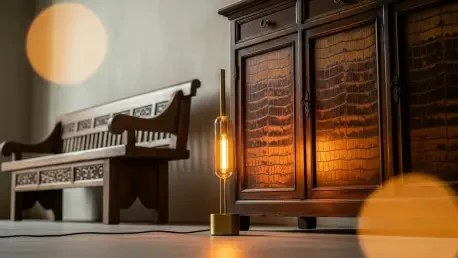
The integration of technology into luxury interiors is no longer about the visibility of gadgets but about the “invisible” enhancement of the living experience. A prime example of this evolution is the recent development of high-end cordless lighting, which addresses the perennial problem of cord clutter in both residential and hospitality settings. Luxury brands are now producing rechargeable lamps that prioritize weight, gravitas, and historical aesthetics while housing complex electronic components like high-grade batteries and dimming switches. By drawing inspiration from 17th-century English candlesticks or mid-century studio pottery, these objects maintain a timeless silhouette despite their modern functionality. This trend represents a significant shift in how designers view “smart” technology; it is no longer an obstacle to be hidden but a tool that allows for greater flexibility and elegance in spatial layouts, ensuring that the beauty of a room is never compromised by the necessity of a power outlet.
This dedication to meaningful, context-aware design is also profoundly influencing the hospitality industry, where “place-based” architecture is becoming the hallmark of true luxury. New architectural projects are increasingly focused on rooting buildings in their specific geographical and cultural environments rather than imposing a generic aesthetic. For instance, the redesign of coastal resorts often involves preserving organic, sculptural arches and utilizing local textiles and ceramic installations that reference regional mythology or prehistoric artifacts. This narrative-driven approach ensures that guests feel a deep connection to the history of their location, turning a stay into an immersive cultural experience. By commissioning custom works from local artisans and harmonizing structures with the surrounding natural landscape, architects are creating spaces that feel like a natural extension of the earth. This strategy reflects a global consensus that the future of travel and living lies in the preservation of local identity through modern, sustainable interventions.
Future Considerations: Sustaining Authenticity in a Digital World
The design trends observed throughout the current cycle demonstrated a profound collective desire for homes that served as more than just visual displays. By prioritizing joy and craftsmanship, the industry moved toward a model where the emotional resonance of a space outweighed its adherence to a specific stylistic movement. Designers successfully integrated the nostalgia of childhood and the integrity of ancient crafts into a framework of modern technology, creating environments that were both beautiful and profoundly livable. The resurgence of materials like turned wood and the modernization of regional crafts proved that there was a sustainable market for items that possessed a distinct human signature. These developments indicated that the “lived-in” aesthetic was not a fleeting trend but a fundamental shift in how people chose to interact with their immediate surroundings.
Moving forward, the focus must remain on the preservation of these artisanal skills through active patronage and thoughtful integration into modern architectural projects. Homeowners and designers should consider the longevity of their choices, prioritizing pieces that offer a narrative connection rather than those that satisfy a temporary digital craving. The successful implementation of “invisible” technology, such as cordless lighting, should serve as a blueprint for how other modern conveniences can be integrated without detracting from the tactile beauty of traditional forms. As the world becomes increasingly digital, the importance of maintaining a physical environment grounded in history and craftsmanship will only grow. By choosing to invest in objects that celebrate the human touch and the beauty of natural materials, society can ensure that the domestic sphere remains a sanctuary of authenticity and enduring happiness.