
Designing a residence that bridges the gap between historical reverence and modern functionality requires a sophisticated understanding of how aged objects interact with contemporary architecture. While many homeowners are drawn to the superior craftsmanship and storied past of antique furniture, the risk of creating an environment that feels frozen in a specific decade is a common pitfall that can make a home feel like a museum rather than a living space. A successful interior avoids the time capsule effect by ensuring that every vintage element serves a purpose within a modern context, creating a dialogue between eras rather than a mere imitation of one. This approach relies on the principle that history should inform the present aesthetic without dictating every detail of the room’s layout. By focusing on a transitional style, one can celebrate the patina of the past while maintaining the clean lines and technological conveniences that define high-end residential living.
Balancing the Old With the New
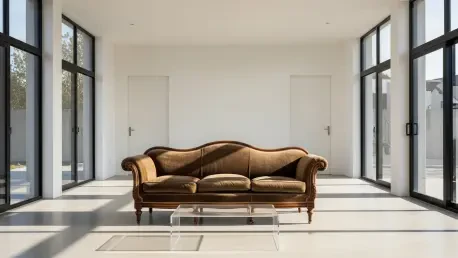
The most frequent mistake in vintage decorating is the failure to create visual equilibrium through intentional contrast. When a room is entirely saturated with antiques, it can quickly become monochromatic and uninspired, lacking the necessary energy to feel relevant. Professional designers often prevent this by using contrast as a catalyst for cohesion within the floor plan. For example, placing a sleek, clear acrylic coffee table in front of a weathered velvet settee creates a dynamic tension that highlights the heavy patina of the older piece while the transparency of the modern item keeps the space feeling light and airy. This juxtaposition ensures that the viewer’s eye is constantly moving, appreciating the history of the furniture without feeling weighed down by its age. By introducing reflective surfaces or modern industrial finishes, the inherent “fustiness” of a period piece is neutralized, allowing its unique character to stand out as a deliberate choice.
To achieve a truly harmonious environment, it is essential to source items from diverse origins and price points rather than relying on a single aesthetic source. High-end antiques from specialized dealers gain a new sense of relevance when paired with clean-lined, minimalist furniture from modern retail establishments. This strategy ensures that the architecture of the room and the objects within it exist in a state of balance. By mixing a mid-century sideboard with rustic linen textiles or smooth plaster walls, a designer provides the visual sharpness needed to keep the overall atmosphere from feeling dated. The goal is to build a curated environment where each piece feels like it was chosen for its individual merit rather than its ability to fit into a rigid historical category. This method creates a layered look that feels more authentic to the occupant’s personal taste and travel history, resulting in a home that remains visually interesting across different perspectives.
Moving Beyond Literal Interpretations
One of the quickest ways to fall into the trap of a stagnant interior is to take the literal route by attempting to recreate a specific historical period with museum-like accuracy. While a room filled entirely with items from a single decade might seem cohesive on the surface, it often lacks the lived-in authority that makes a house feel like a home. When every decorative element aligns with one specific year, the space ceases to be a functional residence and begins to feel like a stage set. A truly successful room appears to have evolved naturally over several decades rather than being purchased as a complete package. This evolution is what gives a home its soul, suggesting that the inhabitants have a personal history of collecting items over time. By avoiding the impulse to match every wood grain and fabric pattern to a specific era, homeowners can create a more versatile space that handles the transition into the future with ease.
To break away from a pastiche look, design experts suggest challenging the authority of vintage pieces with modern materials and unexpected textures. A room truly begins to resonate when a classic silhouette is paired with bold contemporary art or sophisticated industrial lighting solutions. This blend of styles suggests a depth of character that cannot be achieved through historical mimicry alone. Letting the past provide the character while the present provides the structure results in a layered environment that transcends the limitations of any specific era. This involves looking at the lines and shapes of an antique rather than its historical context. An ornate Victorian mirror, for instance, finds new life when placed above a minimalist marble console. This dialogue between the intricate and the simple prevents the room from feeling like a caricature of the past, establishing a sophisticated aesthetic that feels both grounded and refreshingly modern.
Breaking up the Matching Suite Mentality
The heavy reliance on matching furniture suites is a common culprit of a dated and uninspired home interior. Buying a coordinated set where the bed, dresser, and nightstands are all identical eliminates individual character and makes a bedroom or dining room feel mass-produced and sterile. To escape this trap, it is vital to embrace a mixture of stories within the furniture selection. A sophisticated interior relies on a diverse palette of wood tones, upholstery styles, and hardware finishes that suggest the contents were gathered over a long period. This diversity of form and texture prevents the home from looking like a standard furniture catalog and instead creates an environment that feels rich, personal, and meticulously curated. By breaking up these sets, a homeowner allows each individual piece to be appreciated for its unique craftsmanship rather than its role in a uniform collection that offers very little visual surprise.
Instead of adopting uniform sets, one should try pairing a dark mahogany dining table with lighter, rustic chairs or even modern metal seating to create immediate visual interest. Mixing different arm styles on upholstered pieces, such as a traditional English roll-arm sofa paired with contemporary velvet club chairs, adds a layer of warmth and complexity that a matching set simply cannot provide. This strategy also allows for more flexibility when updating the room in the future, as individual pieces can be swapped out without disrupting the entire design scheme. The result is a residence that feels like a collection of curated finds rather than a single purchase from a showroom. This approach fosters a sense of timelessness, as the room is not tied to the popularity of a specific furniture collection. Instead, it reflects a nuanced understanding of design where the beauty lies in the thoughtful combination of disparate elements.
Mastering Spatial Scale and Proportion
A technical error that often leads to a cluttered or dated look is the total neglect of spatial scale and proportion. Vintage furniture was frequently designed for the specific architectural proportions and lifestyle needs of a different era, which may not translate well to the floor plans of a contemporary apartment or a high-ceilinged modern home. For instance, a low-profile mid-century daybed might look diminutive and lost in a grand Victorian parlor, while a massive heavy wardrobe could overwhelm a standard bedroom in a new development. Proportion acts as the silent architect of a room’s success, determining whether a piece feels integrated or merely squeezed into the available square footage. Understanding how the volume of a piece interacts with the surrounding air is critical for maintaining a sense of flow and openness that is essential for modern living standards.
To ensure vintage items feel at home, one must play with scale in ways that ground the space and provide a sense of permanence. A singular, oversized antique vessel or a large rustic basket can provide the necessary visual weight to a hallway or entryway, making the vintage element feel like a deliberate architectural choice rather than an afterthought. When the scale is handled correctly, the furniture enhances the room’s natural flow and highlights its best features. If a piece is too small, it loses its impact and can make the design feel cluttered; if it is too large, it makes the room feel cramped and stuck in a previous century. Achieving the right balance involves measuring not just the floor space but the vertical volume of the room. By strategically placing larger items in areas with higher ceilings and using more delicate pieces in tighter corners, a homeowner can ensure that their vintage treasures complement the modern structure of the house.
Curating the Heroic Focal Point
The final strategy for avoiding a fusty interior involved a shift in how antiques were positioned within the overall design scheme. Designers moved away from treating vintage items as mere accessories or fill-ins for empty corners and instead began using them as anchors or focal points. When a historical piece was used only as a small accent, it often lost its ability to provide depth and credibility to the room. Instead, professionals utilized preloved treasures as the hero of the space around which the rest of the room was built. A character-rich piece, such as a large worn Persian rug or a hand-carved mahogany bed frame, served as the primary statement. By allowing these history-filled pieces to lead the design, the remaining elements of the room were kept restrained and modern, creating a layered effect where the vintage item provided the soul while the modern pieces provided the necessary functionality.
This methodology proved that successful vintage decorating was not about the quantity of old items, but the quality of their integration. When used as anchors, these pieces provided the gravity and history needed to create a unique, sophisticated environment that avoided the pitfalls of appearing stuck in the past. Moving forward, homeowners should prioritize the selection of one or two high-quality vintage pieces per room and build the contemporary palette around them. This creates a sustainable design model where fewer, better things are valued over mass consumption. By focusing on the texture and silhouette of these anchor pieces, the interior remained agile and capable of evolving alongside new technology and changing tastes. The ultimate goal was to foster a residence that felt timeless because it respected the past without being afraid to embrace the future, resulting in a home that felt personal, intentional, and entirely relevant to the modern world.