
The evolution of contemporary metropolitan landscapes has reached a significant turning point as architects and planners move away from rigid, concrete-heavy structures toward more fluid and responsive environments. During the recent thirtieth anniversary of the Australian Urban Design Awards in Canberra, industry leaders highlighted a fundamental shift in how professionals perceive the longevity and purpose of civic spaces. Rather than viewing buildings as static monuments, the consensus now favors the idea of cities as enduring artifacts that must breathe and adapt alongside their inhabitants. This transition is characterized by a “gentler approach to urban transformation,” which prioritizes the voices of Indigenous populations and local communities while integrating ecological health into the very fabric of infrastructure. By focusing on versatile public gathering spots and sustainable development, the current award recipients demonstrated that the future of design lies in empathy and foresight.
Pioneering Flexibility Through Adaptive Infrastructure
The Evolution of the Campbelltown Mobility Hub
The Campbelltown Multi-Storey Mobility Hub, designed by Hill Thalis Architecture + Urban Projects, serves as a primary example of how modularity can redefine the purpose of a single structure within an urban precinct. At its current stage, the facility functions as a highly efficient commuter car park equipped with solar-powered electric vehicle charging stations and a water-sensitive design that manages runoff effectively. However, the true innovation lies in its internal specifications, which feature unusually high ceilings and removable access ramps that facilitate a total transformation in the coming years. This design choice ensures that the building does not become obsolete as transportation habits shift or as the surrounding neighborhood requires new types of space. By planning for a potential conversion into residential apartments or professional offices, the project minimizes the need for future demolition and reduces the carbon footprint.
Building on this concept of long-term utility, the hub demonstrates a commitment to reducing concrete consumption by creating a skeleton that supports multiple life cycles. The strategic foresight involved in this project reflects a broader trend where urban designers prioritize the “enduring artifact” philosophy, ensuring that new constructions can pivot to meet the unpredictable demands of society. Instead of building for the needs of today alone, the architects utilized structural engineering that allows for easy reconfiguration without the environmental toll of traditional redevelopment. This approach naturally leads to a more resilient urban fabric, where the built environment can expand or contract in its functionality based on demographic shifts or economic changes. By integrating such flexibility, the Campbelltown project has set a high standard for how municipalities can invest in infrastructure that remains valuable for decades, rather than becoming a relic of a bygone era.
Sustainable Landscapes and Community-Led Design
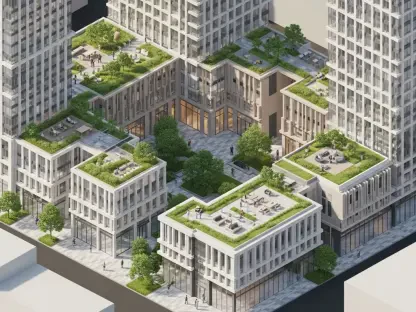
The shift toward a gentler urban transformation also places a heavy emphasis on the integration of ecological landscapes that serve both environmental and social functions simultaneously. Modern projects are increasingly moving away from purely decorative greenery in favor of functional ecosystems that manage urban heat islands and provide sanctuary for local biodiversity. By prioritizing Indigenous leadership in the planning phases, designers are able to incorporate traditional knowledge regarding land management and native flora, resulting in spaces that feel deeply connected to their specific geographic context. These “living landscapes” are not merely aesthetic additions but are essential components of a city’s health, offering residents areas for recreation and reflection while performing critical tasks like air filtration and water management. This holistic view of the environment ensures that the development of a city does not come at the expense of its natural heritage.
Furthermore, the emphasis on community leadership ensures that public gathering spaces are designed with the actual needs of the people in mind, fostering a sense of ownership and belonging. When urban design is approached through a lens of empathy, the resulting spaces are inherently more versatile and accessible, accommodating a diverse range of activities from spontaneous markets to formal cultural ceremonies. This collaborative process involves extensive consultation and research, ensuring that the final outcome reflects the unique identity of the neighborhood rather than a generic architectural template. By involving local stakeholders early in the design phase, planners can identify potential challenges and opportunities that might be missed in a top-down approach. The result is a more democratic form of urbanism where the built environment acts as a stage for community life, facilitating social interaction and strengthening the bonds between citizens.
Strategic Policy and the Influence of Design Advocacy
Transforming Safety and Housing Through Reform
Beyond physical structures, current industry awards recognize the profound impact of strategic initiatives and policy frameworks that guide the growth of modern cities. Programs such as the “Safer Cities” initiative by Transport for NSW highlight how thoughtful urban planning can directly improve the quality of life and sense of security for diverse populations. This program focuses on enhancing the visibility, lighting, and accessibility of transit hubs and public corridors, ensuring that women, children, and marginalized groups feel safe navigating the city at all hours. By addressing the psychological and physical aspects of urban safety, the initiative creates a more inclusive environment where all residents can participate fully in civic life. This strategic focus on the human experience is a hallmark of the new era of design, where the success of a project is measured not just by its architectural beauty, but by its ability to provide a safe and welcoming space for everyone.
In a similar vein, the “NSW Housing Pattern Book” represents a significant step forward in addressing the urgent need for high-quality, diverse housing options in rapidly growing urban centers. This initiative provides a curated selection of architectural designs that have been pre-approved for their efficiency, sustainability, and aesthetic value, streamlining the development process without sacrificing quality. By offering a range of housing types—from terrace houses to low-rise apartments—the pattern book allows for more nuanced densification that respects the existing character of neighborhoods. This approach facilitates a faster response to housing shortages while ensuring that new developments contribute positively to the streetscape and provide comfortable living environments for residents. These strategic tools empower planners and developers to work together more effectively, creating a cohesive vision for urban growth that balances the need for increased supply with the desire for liveable communities.
The Legacy of Urban Design Champions
The recognition of “Urban Design Champions” underscores the importance of long-term advocacy and visionary leadership in shaping our cities. These individuals have dedicated their careers to promoting the value of high-quality design in the public realm, often working at the intersection of architecture, policy, and community engagement. Their influence extends beyond individual projects, as they have consistently pushed for higher standards in urban planning and have mentored the next generation of designers to think more broadly about the social impact of their work. By championing the idea that good design is a fundamental right for all citizens, these leaders have helped to shift the industry toward a more human-centric and sustainable model. Their career-long contributions serve as a reminder that the transformation of our cities is not just a technical challenge, but a deeply cultural one that requires passion, persistence, and a clear vision.
These champions have also played a crucial role in bridging the gap between professional disciplines, fostering collaboration between architects, landscape designers, and government officials to achieve a unified vision for urban excellence. By advocating for a multidisciplinary approach, they have demonstrated that the most successful urban transformations occur when diverse perspectives are integrated from the very beginning of a project. This collaborative spirit is essential for tackling the complex challenges of the current era, from climate change and resource scarcity to social inequality and urban sprawl. The work of these individuals highlights the power of advocacy in creating a political and social environment where innovative design can thrive. As we look toward the future, the lessons learned from these champions will continue to inspire new ways of thinking about our cities, encouraging us to build environments that are not only functional and efficient but also beautiful and inclusive.
Future Resilience Through Collaborative Innovation
The insights gained from the recent urban design cycle provided a roadmap for the ongoing evolution of our metropolitan centers. It was evident that the move toward a gentler approach to urban transformation required a fundamental reassessment of how we value and utilize our shared spaces. To move forward, it became clear that cities must adopt flexible zoning and modular building codes that allow for the adaptive reuse seen in projects like the Campbelltown hub. Planners and developers were encouraged to prioritize Indigenous ecological knowledge and community-led initiatives to ensure that urban growth remained grounded in local identity. Furthermore, the implementation of standardized design tools, such as pattern books, offered a practical solution to housing needs while maintaining high aesthetic and functional standards. By embracing these strategies, urban environments were better equipped to handle the complexities of growth while fostering a resilient, human-centric future.