
The architectural landscape of Milan often presents a complex puzzle where the rigid elegance of mid-century structures must reconcile with the fluid demands of contemporary urban living. In the historic Sant’Ambrogio neighborhood, a second-floor residence within a 1960s building serves as a definitive case study for this delicate equilibrium. Owned by Vincenzo Ferrieri and Stefania Faraone Ferrieri—prominent figures in the fashion and catering industries—the apartment required a transformation that modernized the space without stripping away its inherent character. Collaborating with Lucrezia Calvi of LC Atelier, the project moved beyond a standard renovation to become what the designers describe as a sacred passing of the baton. This philosophy focused on maintaining the soul left by previous inhabitants while layering in a modern narrative. By treating the existing structure as a foundation for a new story, the team managed to create a home that feels deeply rooted in its local history yet perfectly suited for a modern lifestyle.
Bridging Eras through Material Continuity
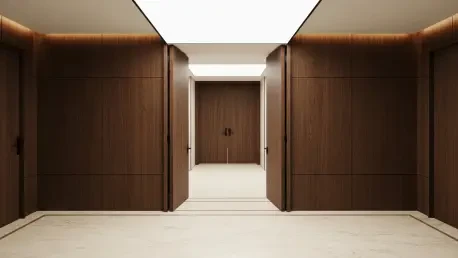
Central to the design strategy was a sophisticated material palette that functioned as a visual bridge between the 1960s origins and the aesthetic preferences of 2026. Calvi utilized Canaletto walnut and purple Cipollino marble as recurring motifs to establish a sense of rhythmic continuity throughout the various rooms. The walnut provides a warm, organic texture that anchors the airy rooms, while the dramatic veining of the Cipollino marble offers a luxurious, almost cinematic quality that mirrors the grandeur of Milanese heritage. This choice was not merely decorative; it was a deliberate attempt to create a cohesive environment where the transitions between old and new are felt rather than seen. By echoing the materials found in the original architectural details, the renovation ensures that the contemporary additions feel like a natural evolution of the space. This material-first approach allowed the designers to respect the previous layout while subtly enhancing the visual weight of the interior architecture.
Nowhere is the tension between tradition and innovation more evident than in the kitchen, where a bold departure from traditional flooring sparked a significant design evolution. While the original cream-colored tiles remained a fixture of the home’s history, the introduction of white resin floors provided a clean, reflective surface that modernized the entire culinary space. This choice initially met with hesitation from Stefania Ferrieri, yet the final result demonstrated how modern synthetic materials can harmonize with heritage elements when applied with precision. The sleek resin surface serves as a neutral canvas that accentuates a striking purple kitchen island, creating a vibrant focal point that bridges the gap between the functional requirements of today and the stylistic quirks of the past. By balancing these disparate elements, the design team avoided the common pitfall of creating a sterile, ultra-modern kitchen that would feel disconnected from the rest of the historic apartment.
Reviving the Aesthetic of the Past
The living area serves as the emotional heart of the home, meticulously curated to showcase a collection of art and furniture that spans decades. A custom-built walnut bookcase was specifically engineered to house a significant work by the artist Emilio Isgrò, ensuring that the architecture of the room supports the cultural values of the residents. Alongside these new installations, the designers chose to retain and restore vintage chairs inherited from the previous owner, further reinforcing the concept of a shared history. This integration of found objects and bespoke cabinetry prevents the residence from feeling like a showroom, imbuing it instead with the lived-in warmth of a true family home. The dialogue between the contemporary art and the mid-century furniture creates a layered atmosphere where every object has a clear purpose and a story to tell. By refusing to discard the furniture left behind, the owners embraced a more sustainable and sentimental approach to luxury living that prioritizes character over novelty.
In the private quarters of the residence, the commitment to historical preservation is expressed through the careful restoration of “time capsule” elements that define the mid-century era. The principal bedroom features a restored 1960s headboard that anchors the room in its original decade, while the bathrooms utilize vintage-style Sbordoni sinks and Stella faucets to maintain a classic European aesthetic. These high-end fixtures are set against rich walnut paneling, creating a tactile experience that contrasts with the more minimalist trends often seen in recent years. Lighting also plays a crucial role in this temporal bridge, with carefully curated chandeliers from the 1960s and 1970s providing a warm glow that complements the modern custom cabinetry. This blend of authentic retro hardware and contemporary craftsmanship ensures that the functional spaces of the home possess the same level of soul and sophistication as the public living areas. The result is a seamless transition from the lively social spaces to the serene, historically grounded bedrooms.
Strategic Approaches for Heritage Preservation
The successful completion of this Sant’Ambrogio project demonstrated that preserving the soul of a historic property required a willingness to listen to the existing architecture. Instead of a total demolition, the design team prioritized the emotional spirit of the space by keeping original marble flooring and simply repainting existing doors to refresh their appearance. This strategy offered a practical roadmap for anyone looking to modernize a heritage home without losing its identity. Property owners were encouraged to identify hero elements—such as a specific fixture or a unique material—and use them as the foundation for the entire color and texture palette. The project proved that a dialogue-driven approach, where new additions were forced to justify their place alongside historical features, resulted in a residence that felt both fresh and deeply rooted. By treating the past not as an obstacle but as a collaborator, the restoration achieved a timelessness that purely modern designs often lacked, providing a blueprint for the future of Milanese interior design.