
The tension between aggressive private real estate development and the public’s fundamental need for unencumbered green space has reached a critical tipping point in the modern urban landscape. As cities become more densely packed and the cost of land skyrockets, the concept of the “commons” serves as a radical corrective to the prevailing trend of privatizing every available acre of our environment. Historically rooted in the traditional New England village commons, these shared resources act as open invitations for recreation, social bonding, and ecological preservation. Unlike private estates, which are often designed for exclusive aesthetics and restricted access, community playgrounds and gardens are democratic parcels intended to bolster the collective well-being of a diverse populace. This shift in perspective moves away from viewing landscape design as a luxury for the few, repositioning public space as a vital necessity for the health and resilience of all residents regardless of their socioeconomic status.
The existence of these vibrant hubs is not a historical accident but rather the result of decades of tireless advocacy, particularly by female reformers, philanthropists, and landscape architects who recognized the social value of shared land. Throughout the late 19th and early 20th centuries, these women leveraged their social influence and professional expertise to create refuges within the harsh, often soot-stained industrial landscape of the American city. Their labor transformed the “common” from a neglected patch of dirt into a structured, intentional environment for human growth and physical play. This legacy of stewardship continues to inform how contemporary planners perceive the relationship between a town’s physical layout and its overall social health. By prioritizing common land, communities can dismantle the barriers of privatization and foster a sense of belonging that is often lost in more commercialized environments.
The Evolution of Shared Play and Social Reform
From Urban Danger: The Rise of Supervised Recreation
The modern playground emerged from the Progressive Era as a sophisticated tool for social engineering, specifically designed to safeguard children from the myriad hazards of crowded city streets. During the late 19th century, philanthropists and reformers began to view the urban environment not just as a physical threat, but as a moral hazard to immigrant and working-class families. In the eyes of these reformers, the alleyways and congested thoroughfares were breeding grounds for delinquency and disease. By establishing dedicated play areas, they aimed to provide a supervised, wholesome alternative to the chaos of the streets. These early initiatives were multifaceted, often blending physical activity with Americanization efforts, public health education, and the teaching of civic virtues. Figures like Jane Addams, through the settlement house movement, proved that providing a safe space for play was just as essential to the immigrant experience as providing housing or education.
This movement did far more than simply clear children off the streets; it fundamentally reshaped the societal understanding of childhood as a distinct developmental stage. Before the late 18th and early 19th centuries, children were rarely viewed as a unique demographic with specific psychological or physical requirements; they were often treated as small adults and thrust into the workforce at an early age. The creation of specialized playgrounds reflected a burgeoning awareness in the fields of psychology and urban critique regarding the vital importance of play in human development. These spaces allowed children to develop agency, motor skills, and social etiquette in a protected, intentional environment. By carving out these spaces from the industrial grit, reformers laid the groundwork for the modern public park systems that remain the backbone of urban life today, proving that play is a serious and necessary component of a functioning society.
Innovation Through Adventure: Embracing Risk and Creativity
Following the major global conflicts of the 20th century, the philosophy of play underwent a dramatic shift from rigid, pre-fabricated structures toward the more experimental “Adventure Playground” movement. Pioneers like Lady Marjory Allen argued that the sterile asphalt lots and heavy iron swings common in post-war parks were insufficient for stimulating a child’s imagination or fostering true resilience. Instead, she championed the use of “junk” materials—discarded timber, old tires, rope, and loose dirt—to encourage what she called self-directed play. This approach prioritized supervised risk-taking, allowing children to build, dismantle, and reshape their own miniature worlds according to their creative whims. The philosophy was simple but profound: children are more engaged and learn more effectively when they are allowed to manipulate their environment rather than merely being passive users of fixed equipment.
The success of these experimental sites across Europe and eventually North America proved that a community asset does not need to be expensive or aesthetically polished to be profoundly effective. By utilizing bombed-out lots in London or underused vacant land in American cities, communities turned the scars of urban decay into vibrant arenas of creativity and social interaction. This era emphasized that the most valuable playgrounds are those that offer freedom and agency rather than restriction and over-regulation. Today, many award-winning parks continue to draw inspiration from these “junk” foundations, incorporating natural elements like boulders, logs, and water features that invite open-ended interaction. These spaces validate the idea that common land should be flexible and responsive to the needs of its users, serving as a dynamic laboratory for childhood development rather than a static monument to municipal planning.
Case Studies in Successful Public Design
Models of Modern Integration: Diverse Needs in Shared Spaces
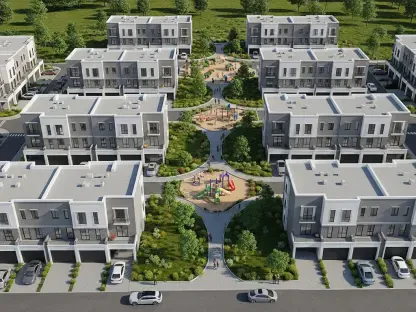
Examining specific contemporary sites like London’s Holland Park or Providence’s Billy A. Taylor Park reveals how different communities successfully tailor common land to meet their unique demographic and social needs. Holland Park illustrates how an adventure-based philosophy can evolve into a sophisticated, award-winning asset that balances the thrill of supervised risk with modern safety standards. It features climbing nets and recycled wooden structures that blend seamlessly into the historic Jacobean estate grounds, proving that “wild” play can coexist with high-end landscape architecture. On the other hand, Billy A. Taylor Park in Rhode Island serves as a vital neighborhood anchor by integrating a diverse range of facilities—a playground, basketball court, skatepark, and community garden—into a single, highly accessible parcel. This multi-functional approach ensures that the land is utilized by residents of all ages, from toddlers in the splash pool to seniors tending to vegetable plots.
The long-term success of these integrated spaces is often determined by how well they are woven into the existing neighborhood fabric. Successful parks frequently feature multiple access points and intentionally lack the intimidating fences or gates that characterize more formal or private gardens. This design choice signals to the community that the space is truly public and belongs to everyone, which in turn fosters a sense of collective ownership. This psychological connection is critical for the park’s survival, as it encourages “neighborhood watchfulness” and volunteerism that protects the land from neglect or vandalism. When a park feels like a natural extension of the residents’ own living rooms or backyards, it becomes a self-sustaining ecosystem of social activity. By combining municipal support with local stewardship, these parks demonstrate that well-designed common land can bridge the gap between different social groups and create a unified community identity.
The Cultural Heritage: Gardening as a Tool for Civic Connection
Parallel to the playground movement, the rise of community gardens was fueled by a unique blend of legal necessity, social enthusiasm, and the professionalization of landscape architecture. In North America, the transition of gardening from a private hobby to a recognized public service was facilitated by organizations like the Garden Club of America and various botanical societies. These groups spent over a century maintaining public green spaces and advocating for the beautification of urban centers, ensuring that horticulture remained an accessible discipline for the general public. From the “Victory Gardens” of the 1940s, which were essential for national morale and food security, to the modern urban farms that dot current metropolitan landscapes, these plots have long served as powerful symbols of resilience and civic pride. They represent a collective effort to improve the environment while providing a tangible connection to the land.
However, the history of these gardens also serves as a sobering reminder of the inherent fragility of common resources when they lack a permanent social foundation. In developments like Amherst’s Echo Hill, the initial enthusiasm for shared gardens eventually waned as shifting demographics and the logistical hurdles of water access and labor took their toll. The transition from long-term, invested residents to more transient populations can easily disrupt the continuity and shared memory required for a thriving communal garden. This highlights the ongoing challenge of sustaining common land in a world where social structures and residential patterns are constantly in flux. To be truly successful, a community garden needs more than just fertile soil; it requires a robust institutional framework or a dedicated core of volunteers who can bridge the gap between generations. These gardens are living history, and their survival depends on the community’s ability to pass down both the knowledge of the earth and the value of shared effort.
Sustainable Stewardship and Future Growth
Principles of Permaculture: Cultivating Civic and Ecological Health
Modern community gardens are increasingly moving beyond simple aesthetics and are now focusing on the sophisticated principles of permaculture and environmental sustainability. Projects in regions like Greenfield and Ashfield are leading this charge by emphasizing the philosophy of “feeding the soil” rather than just the plant, which prioritizes long-term biodiversity over immediate visual appeal. These sites act as vital living classrooms where volunteers, local residents, and schoolchildren can learn about native plant species, pollinator habitats, and the intricacies of ecological health. By focusing on both productivity and the meditative benefits of outdoor labor, these gardens offer a much-needed sanctuary for residents while simultaneously addressing modern crises like food insecurity and habitat loss. The integration of handicapped-accessible raised beds and native meadows ensures that these spaces are inclusive and ecologically responsible, setting a high standard for public land management.
The resilience of common land in the coming years will depend heavily on a shared commitment to stewardship that transcends individual profit or short-term gains. Whether it is a small, volunteer-tended flower bed at a local library or a sprawling vegetable plot that provides fresh produce for a regional food pantry, these spaces reinforce the core values of collaboration and mutual aid. They provide the “proverbial sandbox” where a community can experiment with new ways of living together and finding common ground in an increasingly polarized world. By maintaining these shared landscapes, society preserves its ability to collaborate, share resources, and care for the environment in a collective fashion. The commitment to these spaces is a commitment to the future of the community itself, ensuring that even as the world changes, there remain accessible places where everyone is welcome to gather, grow, and participate in the ongoing story of the land.
Strategic Foundations: Implementing Resilient Common Spaces
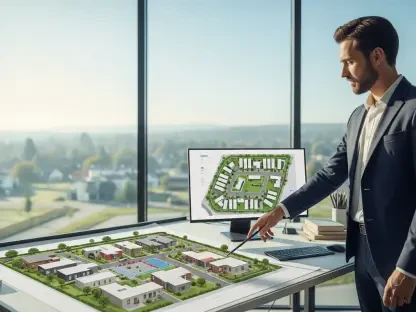
Transitioning from historical models to the successful implementation of modern common land required a significant shift in how municipal leaders and urban planners approached public assets. In the years leading up to the current state of 2026, many cities adopted “Common Land Frameworks” that prioritized the conversion of abandoned industrial sites and vacant municipal lots into high-density social zones. This strategy moved away from the traditional park model, which often prioritized expansive lawns that were expensive to maintain and offered limited social utility. Instead, planners focused on modular designs that could be easily adapted by local residents to suit changing needs, such as seasonal markets, pop-up play areas, or community composting sites. By building flexibility into the very foundation of the land’s legal and physical structure, municipalities ensured that these spaces remained relevant and utilized throughout the year.
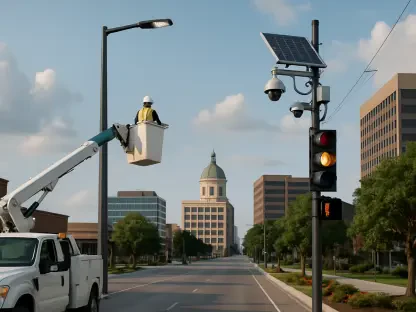
The long-term viability of these projects was ultimately secured by establishing innovative funding and maintenance models that didn’t rely solely on dwindling city budgets. Many communities developed public-private partnerships where local businesses contributed to the upkeep of a park in exchange for using the space for community-focused events, creating a symbiotic relationship between commerce and the commons. Furthermore, the integration of smart technology allowed for more efficient resource management, such as automated gray-water irrigation systems for community gardens and energy-generating play equipment. These advancements lowered the barrier to entry for neighborhood groups who wanted to take over the stewardship of local plots but lacked the traditional resources to do so. These initiatives proved that when the logistical burdens of land management are reduced through smart design and policy, the natural human drive to gather and grow in common spaces flourished, creating a more cohesive and resilient social fabric.