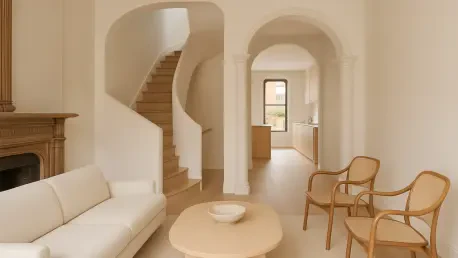

The architectural evolution of Brooklyn’s historic brownstones necessitates a sophisticated balance between the preservation of 19th-century craftsmanship and the integration of modern living standards. In the heart of Bed-Stuy, a renovation by the design firm Dunham Robinson has redefined the potential of the classic row house by transforming a fragmented and degraded three-story structure into a cohesive, light-filled sanctuary. Led by architect Rachel Robinson and structural engineer Michael Dunham, this project focused on the lower duplex, tackling the challenges of years of haphazard updates and compartmentalized layouts. By prioritizing the reclamation of natural light and the strategic reorganization of floor plans, the team introduced soft, sculptural architectural elements that provide a sense of calm and continuity throughout the home. This renovation serves as a blueprint for modernizing historical properties while navigating complex site conditions and fire-rated safety requirements.
Reimagining the Traditional Townhouse Layout
The foundational strategy for this renovation involved a radical departure from the traditional parlor-level living arrangement commonly found in Brooklyn homes. Recognizing that contemporary families require more direct access to outdoor spaces, the architects relocated the primary living, dining, and kitchen areas to the garden level. This shift allows the ground floor to serve as a communal hub with a seamless connection to the backyard, creating a grounded atmosphere for daily activities. Consequently, the parlor floor was repurposed to house three bedrooms and two full bathrooms, maximizing the available footprint to accommodate a generous primary suite, a nursery, and a guest room. This layout effectively replaced a single, inefficient central bathroom with a sophisticated distribution of space that caters to the privacy needs of a growing household while enhancing the overall utility of the lower duplex.
A significant architectural hurdle in this reorganization was the necessity of separating the owners’ duplex from the top-floor rental unit without creating a cramped or jarring transition. To address this, the design team implemented a custom curved wall and door system on the parlor level, moving away from standard 90-degree corners to soften the entry point. This clever use of geometry allowed for a more fluid movement through the hallway while clearly defining the boundaries between the private and public sections of the building. By avoiding the rigid “boxed-in” sensation often found in renovated brownstones, the architects maintained an open and airy feel that respects the home’s proportions. This specific intervention highlights how custom carpentry and structural engineering can work in tandem to solve circulation issues while simultaneously adding a unique, modern aesthetic to a historical interior framework.
Innovative Light Solutions Through Material Strategy
One of the most distinctive aspects of this Bed-Stuy renovation is the creative leverage of an unusual site condition to solve the perennial problem of darkness in row houses. Unlike many Brooklyn townhouses that are hemmed in by neighbors on both sides, this property sits adjacent to an open access drive, offering a rare opportunity for side-wall windows. However, because these openings exist on a lot line, they are subject to strict fire safety codes that typically limit the use of traditional glass. Dunham Robinson utilized fire-rated glass blocks to maintain existing window openings and even add new ones, ensuring full compliance with safety regulations. This material choice serves as a recurring design motif throughout the home, filtering a soft, diffused light into the interior spaces while providing essential privacy from the neighboring driveway, effectively turning a legal constraint into a major asset.
The decision to use glass blocks extended beyond mere utility, becoming a central part of the home’s visual language and atmosphere. By scattering these luminous “portals” along the side wall, the architects ensured that the central areas of the floor plan—often the darkest parts of a brownstone—remained bright and inviting throughout the day. This approach rejects the standard reliance on harsh artificial lighting in favor of a natural, ethereal glow that changes with the movement of the sun. The glass blocks also create a beautiful texture that contrasts with the smooth plaster walls and natural wood finishes found elsewhere in the duplex. This strategic application of fire-rated materials demonstrates how technical requirements can be integrated into high-end design to enhance the livability of urban homes, providing a model for other lot-line renovations that struggle with limited exposure to natural light.
Modernizing the Garden Level with Texture and Flow
On the garden level, where decades of neglect had stripped away the original moldings and historical details, the architects opted for a contemporary “softening” of the space. Rather than attempting a faux-historical recreation that might feel out of place in a modern family home, they designed large openings between rooms with curved corners. These “portals” define individual zones, such as the mudroom, living area, and dining room, without sacrificing the airy feel of an open-plan layout. The living room features a clean and inviting aesthetic, while the dining room is anchored by a custom racetrack-shaped table from the architects’ own furniture line, DuroDeco. This material palette is intentional, utilizing white oak floors and cabinetry that coordinate with the limestone top of the table to create a cohesive and warm visual language that ties the communal areas together.
The kitchen design further challenges modern renovation trends by avoiding the typical floor-to-ceiling glass wall at the rear of the house. Instead, the architects installed a horizontal “ribbon” of sliding windows at eye level, which provides panoramic views of the backyard while preserving valuable wall space for essential storage and cabinetry. This clever intervention allowed for the inclusion of a deep window sill perfect for plants, adding a layer of greenery to the interior. The color palette of the kitchen is defined by green and gold terrazzo countertops and oak cabinetry, establishing a “sunny wash of color” that characterizes the entire garden level. By prioritizing functional storage and specific views over a monolithic glass facade, the design ensures the kitchen remains a highly efficient workspace that still feels deeply connected to the outdoors and the rest of the communal living area.
Preserving History on the Private Parlor Floor
While the garden level is decidedly modern in its execution, the parlor floor maintains a stronger connection to the building’s 19th-century origins. The original staircase and front hall woodwork were painstakingly stripped to a pale, natural finish, lending an elegant and airy quality to the main entrance of the home. This restoration work allows the intricate craftsmanship of the past to shine through without feeling heavy or dated. The front of the parlor floor is occupied by a sun-drenched guest room and a home office nook, painted in a cheerful yellow that emphasizes the height of the ceilings. By focusing on the restoration of these key historical elements, the architects created a sense of continuity that honors the neighborhood’s architectural heritage while adapting it for a new generation of residents who value both history and a light, contemporary aesthetic.
In the rear of the parlor floor, the primary suite retains its original stamped tin ceiling, providing a textured nod to the building’s historical character. To modernize the space without disrupting these heritage details, Dunham Robinson added custom maple window seats that discreetly enclose the radiators. This integration of high-end carpentry serves a dual purpose: it provides additional seating and storage while hiding the bulky mechanical systems often found in older homes. The suite feels like a private sanctuary, where the interplay of historic surfaces and modern millwork creates a sophisticated retreat. This careful balance between preservation and innovation ensures that the private quarters do not feel like a separate entity from the rest of the house, but rather a more refined and quiet extension of the overall design philosophy that prioritizes comfort and timeless craftsmanship.
Infusing Color and Geometry into Functional Spaces
The bathrooms throughout the Bed-Stuy duplex were treated as distinct design opportunities, moving beyond mere functional utility to become vibrant “jewel boxes” of color and texture. The primary bath continues the glass block theme established in the living areas, paired with seafoam green zellige wall tiles that provide a handcrafted, shimmering quality. On the garden level, the powder room utilizes amber-toned zellige and botanical wallpaper to create a rich, immersive environment that surprises guests. In the guest bath, glossy green and white hex tiles work in tandem with a transom window to bounce light deep into the center of the floor plan. This meticulous attention to detail ensures that even the smallest rooms in the house contribute to the overall narrative of transformation, demonstrating that utilitarian spaces can be just as expressive as the main living areas.
The ultimate success of the Dunham Robinson renovation lied in its rejection of standard, “cookie-cutter” solutions in favor of custom interventions that addressed the specific needs of the site and the inhabitants. By synthesizing structural engineering with a nuanced interior design approach, the firm turned a fragmented townhouse into a unified and serene residence. The project proved that modernizing a Brooklyn row house did not require a total erasure of its past, but rather a thoughtful reorganization of its flow and a creative strategy for gathering light. Future renovations of similar historic properties should look toward these types of custom millwork solutions and material innovations, such as fire-rated glass blocks and curved transitions, to maximize both beauty and functionality. The finished duplex stood as a testament to the power of intentional design in redefining urban living for the better.