
The standard for modern interior design has shifted dramatically from the physical touch of fabric swatches to the high-definition glow of a virtual reality headset. This evolution, catalyzed by recent industry showcases like the Yecla Furniture Fair, represents a decisive break from the era of manual sketches and cumbersome physical prototypes. By integrating Artificial Intelligence and Augmented Reality into the foundational workflow, designers are now able to construct entire architectural ecosystems that feel as tangible as the rooms they will eventually inhabit. This digital-first approach does more than just replicate reality; it enhances the creative process by allowing for instantaneous iterations that were previously impossible or prohibitively expensive. As the industry moves deeper into this technological era, the convergence of spatial computing and generative AI is fundamentally altering the relationship between the designer, the manufacturer, and the end consumer, ensuring that every design choice is validated in a hyper-realistic digital twin before physical production begins.
The Evolution from Physical Showrooms to Digital Spaces
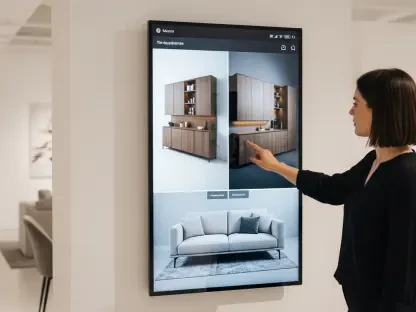
The reliance on massive, resource-heavy warehouses and physical displays is rapidly becoming obsolete as virtual environments offer a more sustainable and efficient alternative for manufacturers. By leveraging AI-driven projections and cloud-based platforms, companies have optimized their resources and significantly reduced the overhead costs associated with real estate and physical inventory management. This transition allows manufacturers to maintain an almost limitless digital catalog that can be accessed from any location, effectively replacing the requirement for exact physical replicas of every designed space. Furthermore, the move toward digital showrooms facilitates a more agile response to changing market trends, as digital assets can be updated or replaced without the logistical nightmare of disposing of physical samples. This shift represents a broader movement toward lean manufacturing, where digital prototyping serves as the primary gateway for testing consumer interest before committing to the heavy costs of large-scale furniture production and storage.
Beyond the obvious cost savings, these virtual spaces provide a level of fidelity and interaction that traditional catalogs or even physical showrooms simply cannot match in a modern market. Modern VR technology allows for the hyper-realistic representation of lighting, textures, and material finishes, ensuring that a client’s expectations are perfectly aligned with the final physical product they receive. Instead of passively browsing through a printed brochure or walking past static displays, clients can now inhabit a projected room, navigating the layout and making real-time adjustments to furniture placement. This immersive experience creates a much more engaging and personalized consumer journey, as individuals can see exactly how a specific leather texture reacts to the morning light in their own simulated living room. By removing the guesswork from the design process, companies have effectively reduced the rate of product returns and increased customer satisfaction through a more transparent and interactive decision-making environment that bridges the gap between imagination and reality.
Bridging the Gap Through Specialized Software Platforms
The democratization of high-end design is being fueled by a diverse ecosystem of software that caters to both seasoned professionals and casual enthusiasts who seek high-quality results. Tools like SketchUp have become foundational in this regard, bridging the gap between initial spatial planning and professional execution by allowing users to manage every detail of the design lifecycle. These platforms provide a powerful 3D engine that simplifies the creation of custom furniture and the adjustment of nuanced interior lighting, making immersive planning accessible without a steep learning curve. The ability to visualize spatial relationships in three dimensions allows designers to identify potential architectural flaws or aesthetic inconsistencies early in the process. This software does not merely function as a drawing tool; it serves as a comprehensive project management environment where technical specifications and creative vision coexist. As these tools become more intuitive, the barrier to entry for professional-grade design continues to lower, allowing for a more diverse range of creative voices to influence the industry.
Further innovation is evident in specialized Software as a Service tools like Jump Into Design and SmartDraw, which focus on real-time interactivity and ease of use for a global market. These applications enable designers to create and share hyper-realistic 3D models that can be modified instantaneously, which significantly streamlines workflows and makes high-end visualization more affordable. By offering extensive digital libraries filled with templates and materials, these tools allow users to achieve professional-grade results without needing extensive training in traditional CAD software. The cloud-based nature of these services also facilitates better collaboration between design teams and their clients, as models can be shared and edited in real-time across different geographical locations. This accessibility is a key driver in the industry’s digital transformation, as it allows smaller design firms to compete with larger corporations by utilizing the same high-level visualization tools that were once reserved for only the most well-funded architectural offices.
Research Initiatives and the Human-Centric Technical Future
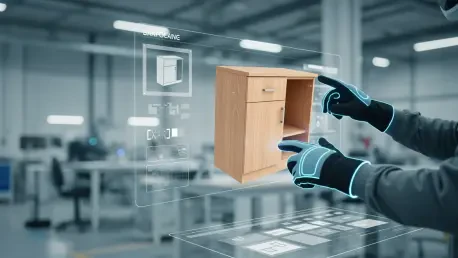
Strategic partnerships with technological centers, such as CETEM, have been critical in pushing the boundaries of what is possible in the furniture and wood sectors through advanced research. One major area of development involves the use of Extended Reality and haptic gloves to revolutionize vocational training and physical craftsmanship. By simulating the sense of touch, these technologies allow workers to master complex construction processes like carpentry, painting, and flooring in a digital-first environment. This improves safety and skill acquisition before personnel ever step onto a factory floor, reducing material waste and preventing injuries during the learning phase. The integration of haptic feedback ensures that the digital experience is not just visual but tactile, providing a more comprehensive training module that translates directly to real-world applications. This approach highlights how technology is being used to support and enhance human labor rather than simply replacing it with automated systems that lack the nuance of a trained professional.
Looking forward, the industry has prioritized Deep Tech and human-centric robotization to enhance both productivity and worker well-being across the manufacturing chain. Initiatives like the DRUMS project emphasized that the primary goal of modern automation was not the total replacement of human craftsmanship but the augmentation of it through safer and more efficient systems. Furthermore, real-time B2B simulations now connect virtual design environments directly to live manufacturer databases, ensuring that every digital material or product used in a project is currently in stock and ready for production. This seamless integration between the digital design phase and the physical supply chain prevents delays and ensures that the transition from a virtual model to a physical interior is as smooth as possible. By focusing on the well-being of workers and the efficiency of the supply chain, these research initiatives have ensured that the interior design industry remains competitive and sustainable while maintaining the high standards of quality that consumers expect.
Strategic Implementation and the Path Toward Integrated Design
Industry leaders recognized that the successful adoption of these technologies required a shift in mindset from traditional methods to a fully integrated digital strategy. It was essential for firms to invest in training programs that allowed their existing staff to transition into using VR and AI tools effectively within their daily workflows. Companies that embraced these changes early discovered that the ability to offer hyper-personalized design consultations became a major competitive advantage in a crowded market. These organizations focused on creating seamless transitions between virtual previews and the final physical installation, ensuring that the digital twin was a perfect representation of the eventual reality. By establishing clear protocols for data management and digital asset creation, businesses were able to scale their operations and handle more complex projects without a proportional increase in physical overhead. This strategic focus on integration helped the industry avoid the pitfalls of technology for technology’s sake, ensuring instead that every digital tool served a practical purpose.
The successful navigation of this digital landscape involved a commitment to continuous innovation and the fostering of collaborative ecosystems between tech developers and designers. Professionals who leveraged these advanced platforms were able to provide more accurate cost estimates and timelines, which built greater trust with their clients and streamlined the entire construction process. By prioritizing the human experience within the virtual environment, the industry moved toward a future where technology acted as a bridge rather than a barrier to creativity. The focus shifted toward using AI to handle repetitive tasks and VR to communicate complex ideas, leaving designers free to concentrate on the artistic and emotional aspects of their work. This holistic approach to technology adoption proved that the most effective solutions were those that combined high-tech precision with the timeless principles of human-centered design. Moving forward, the industry remained dedicated to exploring new ways to blend the digital and physical realms to create environments that were as functional as they were beautiful.