
The approval of the expansive green space masterplan in the Gilston area signals a transformative shift in how large-scale residential developments are conceptualized within the United Kingdom’s housing market. By securing planning permission for over 600 hectares of integrated natural landscape, the social enterprise Places for People has established a foundational environmental framework that will eventually support a vision for 10,000 new homes. This milestone is not merely an incremental step in urban expansion; it represents a fundamental departure from traditional planning models where green spaces are often treated as secondary buffers or aesthetic afterthoughts. Within the broader context of the Harlow & Gilston Garden Town initiative, this development prioritizes the preservation and enhancement of the natural environment as the primary driver of the built form. The scale of this commitment is nearly unprecedented in recent regional history, ensuring that the ecological health of the land is protected long before the first residential foundations are even poured into the earth.
This landscape-led strategy is designed to redefine the relationship between high-density living and the Great British countryside, offering a sustainable alternative to the typical suburban sprawl that has characterized much of the previous decades’ construction. The approved plans designate over 410 hectares specifically for community use, providing an expansive network of parks, woodlands, and meadows that remain accessible to the public. By embedding these natural assets into the core of the development, the project aims to create a “green lung” for the region, fostering a lifestyle that encourages physical activity and environmental appreciation. This approach reflects a growing understanding among urban planners that the long-term success of a new community depends heavily on the quality of its outdoor spaces. Consequently, the Gilston project serves as a sophisticated case study for how modern town planning can successfully integrate massive housing targets with the urgent need for biodiversity conservation and climate-resilient infrastructure.
Designing a Landscape-Led Residential Vision
Strategic Village Clusters and Community Layout
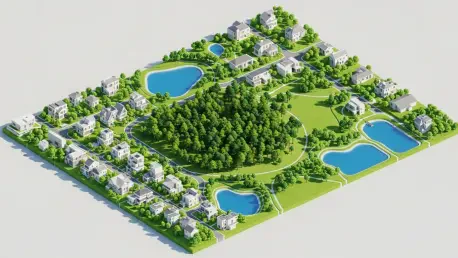
The architectural philosophy governing the Gilston masterplan centers on the creation of seven distinct yet interconnected villages, a structural choice that intentionally rejects the monolithic nature of many large-scale housing projects. By breaking the 10,000-home target into these smaller, manageable clusters, the developers aim to cultivate a sense of intimacy and local identity that is frequently lost in massive developments. Each village is designed to function as a self-contained neighborhood while remaining part of a larger, cohesive ecosystem. This structure ensures that residents have access to localized amenities and social hubs, reducing the reliance on a single, centralized downtown area and promoting a more distributed and walkable urban form. The spatial arrangement of these villages is carefully dictated by the existing topography, ensuring that the built environment respects the natural contours of the land rather than imposing a rigid, artificial grid onto the landscape.
Furthermore, these seven villages are woven together by an intricate web of green corridors that facilitate movement for both people and local wildlife. This comprehensive green infrastructure acts as a connective tissue, allowing residents to travel between different parts of the development through natural surroundings rather than solely via traditional roadways. This methodology ensures that every household, regardless of its specific location within the village clusters, remains in close proximity to the vast 600-hectare green backdrop that defines the area. The emphasis on connectivity through nature is intended to foster a stronger bond between the inhabitants and their environment, promoting a lifestyle where the outdoors is a constant, visible presence. This strategic layout not only enhances the aesthetic appeal of the neighborhoods but also serves a practical purpose by managing rainwater runoff and providing natural cooling, which are essential components of sustainable neighborhood design in the modern era.
Heritage, Art, and Outdoor Connectivity
A central pillar of the Gilston vision is the establishment of nearly 15 kilometers of heritage trails, which are designed to act as cultural and historical conduits for the incoming community. These trails are not simply utilitarian paths for walking or cycling; they are curated experiences that integrate local art installations and strategic wayfinding elements to tell the story of the land’s legacy. By incorporating these elements, the masterplan seeks to ground the new development in its historical context, ensuring that the arrival of 10,000 homes does not erase the unique identity of the Gilston area. These paths connect various landmarks and viewpoints, providing residents with a deep sense of place and a tangible link to the heritage of the region. The inclusion of art is particularly significant, as it transforms the functional infrastructure of the trail system into an outdoor gallery that enriches the daily lives of the population and encourages cultural engagement.
Beyond the cultural aspects, the design of these outdoor spaces specifically caters to the needs of families and multi-generational households. The masterplan emphasizes the creation of “rest and play” areas that are seamlessly integrated into the landscape, ensuring that children have safe, accessible locations to explore the natural world. Instead of isolated, fenced-off playgrounds, the project favors a more organic approach where play is encouraged through the natural features of the terrain. This strategy extends the living environment of the home into the outdoors, providing ample space for community gatherings, recreation, and quiet reflection. By prioritizing these high-quality public realms, the developers are betting on the idea that well-designed green spaces are the ultimate social levelers, providing every resident with the same access to beauty and tranquility. This commitment to outdoor connectivity is expected to significantly enhance the overall well-being of the community, making the development a highly desirable location for those seeking a balance between modern convenience and natural serenity.
Collaborative Planning and Environmental Integrity
Multi-Agency Partnerships and Expert Design
The successful navigation of the complex planning process for the Gilston green space initiative was only made possible through a deep and sustained collaboration between a wide array of public and private stakeholders. Places for People worked in close coordination with the East Herts District Council and the Harlow & Gilston Garden Town organization to ensure that the project remained aligned with both local planning requirements and broader regional growth objectives. This multi-agency approach was essential for addressing the myriad logistical and environmental challenges inherent in a project of this scale. The partnership allowed for a transparent dialogue regarding infrastructure needs, community benefits, and long-term stewardship, ensuring that the development would serve the public interest. The regional director for Places for People noted that the project’s success depended on this productive relationship, highlighting that large-scale community building is as much about political and social cooperation as it is about physical construction.
The technical blueprint for the green framework was spearheaded by the renowned landscape architecture firm Grant Associates, which led a multidisciplinary team of specialist consultants to bring the vision to life. This team included experts from Quod for strategic planning, SLR Consulting for environmental and resource management, and AECOM for engineering and infrastructure insights. Additionally, Ecological Planning & Research and Montagu Evans provided critical data on biodiversity and property matters, respectively. This collective expertise ensured that every aspect of the masterplan was grounded in scientific data and best practices for sustainable development. The consultants focused on creating a design that is responsive to the local climate and the unique ecological characteristics of the site. By involving such a diverse range of specialists from the earliest stages, the project was able to anticipate and mitigate potential environmental impacts, resulting in a robust plan that balances the needs of human residents with the requirements of the local flora and fauna.
Climate Responsiveness and Ecological Preservation
At the heart of the Gilston masterplan is a commitment to climate responsiveness, positioning the 600 hectares of green space as a vital tool for environmental mitigation. In an era where rising temperatures and unpredictable weather patterns pose significant risks to urban areas, this development utilizes its natural assets to regulate the local microclimate. The vast forests and grasslands act as a carbon sink, sequestering atmospheric CO2 and contributing to the region’s broader net-zero goals. Furthermore, the strategic placement of vegetation helps to counteract the urban heat island effect, which often plagues high-density residential areas. By integrating extensive water management systems like swales and detention basins into the landscape, the plan also provides a natural defense against flooding, ensuring that the community remains resilient in the face of increasingly heavy rainfall events. This proactive approach to climate adaptation demonstrates how green infrastructure can serve as a primary defense mechanism for modern towns.
Ecological preservation is equally central to the project, with the masterplan prioritizing the protection of existing habitats while simultaneously creating new ones. The design facilitates the movement of local wildlife through the creation of dedicated ecological corridors, which prevent the fragmentation of animal populations—a common side effect of traditional suburban growth. By ensuring that these corridors are interconnected across the entire 600-hectare site, the plan fosters a thriving ecosystem where biodiversity can flourish alongside human activity. The involvement of ecological consultants was instrumental in identifying high-value natural areas that required strict protection, as well as degraded lands that could be restored to enhance the site’s overall biological richness. This focus on environmental stewardship ensures that the development does not merely exist on the land but actively contributes to its health and vitality. The resulting landscape is intended to be a living laboratory for sustainable coexistence, setting a high standard for how future projects across the country might approach the preservation of natural heritage.
Social Value and Long-Term Regional Impact
Promoting Well-Being Through Social Enterprise
As a social enterprise, Places for People operates with a primary focus on the long-term social value generated by their projects rather than the short-term profit margins that often drive traditional developers. This unique corporate structure allows for a deeper investment in community infrastructure and the long-term maintenance of public spaces, which are often the first things to be cut in purely commercial ventures. The Gilston project is intended to serve as a beacon for “community housebuilding done right,” emphasizing the social determinants of health such as access to nature, clean air, and opportunities for social interaction. By creating an environment where these elements are built into the fabric of the neighborhood, the development seeks to improve the overall quality of life for its future residents. The project aims to foster a strong sense of belonging and mutual support, which are critical components of a resilient and thriving society.
The social impact of the development extends to the promotion of an active and healthy lifestyle, with the extensive trail networks and recreational spaces encouraging daily physical activity. By making exercise a convenient and enjoyable part of the daily routine, the masterplan addresses rising public health concerns related to sedentary lifestyles and isolation. Moreover, the inclusion of communal spaces within the seven villages provides natural gathering points for neighbors, facilitating the development of social bonds and community networks. This focus on connectivity—both to nature and to one’s fellow citizens—is a cornerstone of the project’s social philosophy. Places for People has committed to the ongoing stewardship of these assets, ensuring that the green spaces remain high-quality and safe for generations to come. This dedication to long-term community health reflects a holistic view of development where the success of a project is measured by the happiness and well-being of its inhabitants rather than just the number of units delivered.
Economic Growth and the Garden Town Model
Beyond its significant environmental and social contributions, the Gilston project represents a major economic driver for the Harlow and Gilston region, injecting substantial investment into the local economy. The delivery of 10,000 homes will address the critical housing shortage in the area, providing a wide range of living options that cater to different income levels and demographics. This influx of new residents is expected to stimulate local businesses and create numerous employment opportunities in the construction, service, and maintenance sectors. Furthermore, the commitment to a landscape-led design is a strategic economic choice, as high-quality natural surroundings have been shown to sustain property values and enhance the long-term desirability of a region. By applying the “garden town” model, the developers are creating a premium living environment that attracts investment and promotes regional stability. This model emphasizes that sustainable growth and economic prosperity are not mutually exclusive but are, in fact, deeply interdependent.
The successful implementation of the Gilston masterplan provided a viable blueprint for how large-scale urban expansion could be executed responsibly across the United Kingdom. It demonstrated that by prioritizing green infrastructure and social value from the outset, developers could create communities that were both economically vibrant and environmentally sustainable. The project moved the conversation away from the simple quantity of housing toward the quality of the living environment, proving that massive residential targets could be met without sacrificing the natural world. As the development progressed toward its next phases, it offered valuable lessons for other regional authorities and private firms seeking to balance the demands of a growing population with the necessity of ecological preservation. The finalization of the green space approval was a decisive action that secured the environmental legacy of the site, ensuring that the future inhabitants of Gilston would inherit a landscape that was as resilient as it was beautiful. Through this forward-looking approach, the partners involved established a new precedent for British community building that prioritized the health of the land as the foundation for the prosperity of its people.