
The rapid acceleration of digital aesthetic cycles has transformed social media from a mere gallery of inspiration into a powerful engine that dictates the physical reality of modern living spaces. As homeowners navigate the complexities of a hyper-connected era, the desire for authenticity and historical resonance has overtaken the sterile minimalism that once dominated urban apartments. TikTok, in particular, has emerged as the primary catalyst for this shift, acting as a bridge between niche artisanal movements and mass-market adoption. Today, the focus has pivoted away from the frictionless efficiency of smart homes toward environments that celebrate tactile imperfections and architectural boundaries. Designers are observing a significant departure from the predictable millennial gray palette, favoring instead a layered approach that integrates traditional craftsmanship with modern functional needs. This evolution reflects a broader cultural yearning for homes that serve as personal sanctuaries rather than just optimized backdrop sets for digital content consumption.
The Resurgence of Skirted Furniture and Softened Forms
A notable departure from the sharp angles and exposed tapered legs of mid-century modernism is the overwhelming return of skirted furniture, a trend rooted in the grandma decor movement. This aesthetic prioritizes softness and movement, utilizing ruffles, fringe, and floor-length upholstery to hide the structural underpinnings of chairs and sofas. The historical lineage of this style traces back to the seventeenth-century farthingale chairs, which were specifically designed to accommodate the voluminous skirts worn by women of that era. In the current design landscape, these elements are being reinterpreted through high-end dressmaker details, such as crisp box pleats and contrasting corded piping. By grounding furniture with heavy fabrics that puddle onto the floor, designers create a sense of permanence and comfort that was missing from the leggy, lightweight silhouettes of the previous decade. This shift encourages a more tactile relationship with domestic objects, turning standard seating into sculptural statements that feel both nostalgic and sophisticated.
Complementing these softened silhouettes is the rise of botanical surrealism, most prominently seen in the viral phenomenon known as Cabbagecore. This movement draws heavily from the mid-twentieth-century luxury ceramics popularized by artists like Dodie Thayer, whose iconic lettuceware once graced the tables of socialites and collectors. Today, this aesthetic has expanded beyond the dining room, influencing textiles, wallpapers, and even decorative moldings with intricate leaf-like textures and vibrant verdant hues. The appeal of Cabbagecore lies in its ability to inject a sense of whimsy and maximalist energy into a space without relying on traditional floral patterns. It represents a broader interest in biophilic maximalism, where the organic shapes of vegetables and plants are celebrated for their sculptural complexity rather than just their natural origin. By integrating these eccentric, garden-inspired motifs, homeowners are able to break away from the monotony of mass-produced decor, opting instead for pieces that feel like discovered treasures.
Redefining Spatial Logic and Intentional Living
While the open-concept layout reigned supreme for nearly twenty years, the modern residential experience is now being defined by the broken floor plan. This architectural shift addresses the inherent flaws of completely open spaces, such as poor acoustics and a lack of visual privacy, which became increasingly problematic as remote work and multi-generational living became standard. Instead of reintroducing the claustrophobic corridors of the past, designers are employing clever structural interventions like wide archways, partial-height walls, and sunken conversation pits to define specific zones. These elements allow a house to maintain a sense of flow while providing the necessary psychological boundaries for different activities. A significant advantage of this approach is the stylistic freedom it affords; because rooms are physically distinct, they can possess unique color stories and themes that do not have to harmonize perfectly with adjacent spaces. This zoning allows for a more personalized domestic experience, where a quiet library can coexist near a high-energy kitchen.
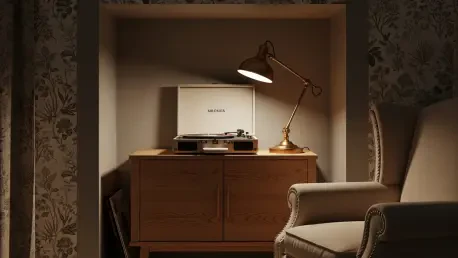
In tandem with the physical restructuring of the home, there is a growing movement toward friction-maxxing, a lifestyle philosophy that deliberately rejects the hyper-optimization of smart-home technology. This trend advocates for the reintroduction of manual tasks and tactile interfaces to foster a deeper sense of presence and mindfulness within one’s living environment. Rather than relying on automated voice assistants to control lighting or streaming services for background music, practitioners of this trend prefer the ritual of flipping a physical switch, spinning a vinyl record, or consulting a physical cookbook. The goal is to create positive friction—intentional moments where the user must slow down and engage with their surroundings. This shift is manifesting in design through the curation of dedicated analog stations, such as reading nooks illuminated by singular task lamps or coffee bars that prioritize manual brewing methods. By stripping away the invisible layers of digital convenience, the home becomes a place of active participation, rewarding the inhabitant with a sensory and fulfilling daily routine.
Strategic Integration of Heritage and Modernity
The transition toward these expressive and segmented interior styles represented a fundamental pivot in how residential spaces were conceptualized and utilized throughout the year. Homeowners and professional designers successfully moved beyond the limitations of purely functional aesthetics to embrace a more layered, historical narrative within the domestic sphere. The integration of skirted furniture and botanical motifs provided a necessary emotional warmth, while the broken floor plan offered practical solutions to the noise and chaos of modern life. These trends proved that the most effective living environments were those that balanced technical requirements with a deep respect for human sensory needs. Moving forward, the focus shifted toward the long-term sustainability of these choices, encouraging the selection of high-quality materials and timeless architectural features that could evolve alongside the inhabitants. By prioritizing character over trends and intentionality over speed, the design community established a new standard for homes that were both beautiful and deeply resonant.