
The contemporary movement toward redefining residential landscapes has shifted away from simple lawn maintenance toward the creation of sophisticated, multi-seasonal environments that function as a true extension of the home’s interior architecture. As homeowners look toward the current spring season, the emphasis has shifted from basic curb appeal to the development of highly curated “alfresco” living rooms that prioritize both luxury and utility. This evolution is driven by a desire to maximize every square foot of property, effectively treating the backyard as a series of distinct experiences rather than a static visual backdrop. By synthesizing structural ingenuity with intentional horticultural choices, it is possible to craft a landscape that feels both timeless and innovative. This transition requires a departure from the traditional mindset of gardening as a chore and instead embraces the idea of the yard as a living ecosystem that supports social interaction, personal wellness, and environmental stewardship. Achieving this balance involves a strategic integration of hardscaping and softscaping that honors the natural topography while introducing modern comforts that were previously reserved for high-end resort destinations.
Architectural Structures as Focal Points
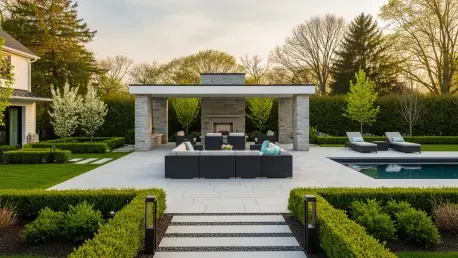
The integration of permanent architectural elements serves as the foundation for a modernized outdoor space, providing a structural anchor that defines the overall aesthetic. An English-inspired greenhouse, for instance, offers a dual-purpose solution by providing a dedicated climate for rare botanical specimens while simultaneously serving as a sophisticated venue for hosting evening events. Such structures move beyond mere utility, becoming iconic centerpieces that draw the eye and establish a sense of permanence within the shifting seasons. Similarly, pool pavilions modeled after luxury hospitality designs provide necessary shade and amenities, effectively centralizing social activity in a dedicated zone. These installations allow for the incorporation of features such as outdoor fireplaces, kitchen suites, and integrated seating, which elevate the backyard from a passive area to an active living environment. By investing in these architectural interventions, homeowners create a clear sense of purpose for each section of the yard.
Beyond the larger structures, the success of a spring transformation often lies in the subtle interplay between rigid architectural lines and the organic, flowing forms of the natural world. This concept of “controlled wildness” utilizes linear elements such as custom metal edging or precisely cut stone pathways to create a framework that manages the garden’s growth without stifling its vitality. Sharp borders are essential for maintaining professional aesthetics, as they prevent lawn encroachment on walkways while allowing perennial flowers to spill over the edges in a lush, effortless display. This juxtaposition creates a visual tension that is both modern and inviting, suggesting a landscape that is professionally maintained yet full of life. Utilizing materials like weathered steel or sleek granite provides a tactile contrast to soft foliage, grounding the garden in a sense of order. This approach ensures that the “overgrowth” remains an intentional design choice rather than a sign of neglect, maintaining a high-end feel throughout the year.
Functional Zoning and Professional Recreation
Efficiently managing a large outdoor area requires a sophisticated approach to spatial organization, where different activities are delineated through the thoughtful application of varying hardscape materials. Instead of erecting physical walls that can disrupt the visual flow of a landscape, designers use textural shifts to signal the transition between an outdoor kitchen and a relaxation patio. For example, the use of traditional brick pavers in a dining area provides a warm, classic feel, whereas large-format stone slabs in a lounging zone can evoke a more contemporary, expansive atmosphere. This zoning strategy allows a single property to accommodate multiple functions simultaneously, such as a quiet reading nook separated from a vibrant social area by a change in ground texture or a slight elevation shift. By carefully selecting materials that complement the home’s exterior, these zones feel cohesive and intentional, ensuring that the outdoor living space feels like a series of interconnected rooms rather than a disjointed collection of features.
The rise of hospitality-inspired residential design has transformed the modern backyard into a destination for professional-grade recreation and high-end social engagement. Homeowners are increasingly incorporating specialized amenities such as professional-grade pickleball and tennis courts, which integrate directly into the landscape through the use of screening hedges or sunken designs. These recreational features are often paired with interactive elements like life-size chess boards or tiered infinity pools that mimic the aesthetics of a private tropical resort. To support these activities, the installation of custom daybeds and integrated lighting systems ensures that the space remains functional long after the sun sets. This shift toward “resort-style” living reflects a broader trend of investing in the home as a primary source of entertainment and leisure. By prioritizing high-quality materials and professional layouts, these recreational zones provide a level of sophistication that enhances property value while offering an unparalleled environment for hosting large-scale gatherings.
Sustainable Landscapes and Design Mastery
Environmental sustainability has become a core principle in modern landscape transformation, moving far beyond a simple preference for drought-resistant plants to a deep commitment to regional ecology. Utilizing native species such as local grasses, lavender, or lilacs ensures that the garden remains resilient against the specific climate challenges of the area while requiring significantly fewer chemical interventions. This approach creates a “low-water, low-maintenance” ecosystem that thrives naturally, reducing the long-term labor and resource consumption typically associated with traditional turf lawns. Designers often recommend replacing large expanses of thirsty grass with gravel grounds or native meadows that provide habitat for local pollinators while offering a tactile and visual variety that grass cannot match. By honoring the natural geography of the region, the landscape feels more integrated with its surroundings, whether it is a lush woodland setting or a dry, sun-drenched plateau, resulting in a yard that is both beautiful and ethically sound.
The final phase of the spring transformation involved the careful application of atmospheric details that elevated the property from a functional yard to a private sanctuary. Designers utilized techniques such as “Go Away Green” paint to camouflage utilitarian fences and trellises, which allowed the vibrant colors of vertical greenery and custom architectural features to take center stage. The integration of copper lanterns and professional lighting systems ensured that the textural depth of the stone and plant life remained visible during the evening hours. Strategic next steps for homeowners included the selection of furniture that mirrored the interior design palette, effectively erasing the boundaries between inside and out. By focusing on these sensory layers, the project successfully established a landscape that responded to the unique demands of the local environment while providing a high level of comfort. This holistic methodology proved that a well-designed outdoor space served as a vital component of modern living, offering a sustainable and aesthetically pleasing retreat for years to come.