
The transformative power of natural sunlight within a residential setting extends far beyond simple visibility, acting as a primary catalyst for psychological well-being and spatial perception. When a living space is bathed in organic light, the boundaries of the walls seem to recede, creating an environment that feels significantly more expansive and integrated with the natural world. This shift in atmosphere is not merely a matter of luxury but a fundamental requirement for a healthy home, as consistent exposure to daylight regulates circadian rhythms and enhances the overall mood of the occupants. Unfortunately, many modern floor plans and urban dwellings suffer from structural limitations that result in dim, shadowed interiors. While the immediate impulse might be to commission expensive architectural renovations such as the installation of skylights or floor-to-ceiling glass panels, such undertakings are often restricted by budget or local building codes. A more sophisticated and accessible approach involves a deep understanding of how light behaves as it enters a room, treating every square inch of the interior as a potential tool for illumination. By viewing the home as a cohesive system of reflective and refractive surfaces, it is possible to engineer a brightness that feels both intentional and abundant. This methodology requires a strategic combination of interior design principles and proactive property maintenance, ensuring that every available photon is captured, amplified, and distributed to the furthest reaches of the house, turning once-neglected corners into vibrant areas of activity and rest.
Maximizing Reflective Potential through Color and Texture
The science of interior brightness is deeply rooted in the Light Reflectance Value of the materials used throughout the home, which determines how much light is bounced back into a room versus how much is absorbed by the surface. To achieve a truly luminous environment, designers prioritize light neutrals such as alabaster whites, soft oysters, and pale mineral blues that boast an LRV of 70 or higher. These specific shades act as a canvas for sunlight, allowing it to ricochet across the room rather than being stifled by dark, heavy pigments that function like visual sponges. Furthermore, the finish of the paint plays a pivotal role in this optical equation; moving away from flat or matte textures in favor of satin or semi-gloss finishes introduces a subtle sheen that aids in the movement of light. This technique is particularly effective on ceilings, which serve as the largest reflective plane in any room. When a ceiling is painted in a high-gloss or bright white finish, it catches upward-reflected light from the floor and windows, casting a gentle, uniform glow back down onto the living space. This layering of light creates a sense of depth and prevents the “closed-in” feeling common in rooms with darker upper surfaces.
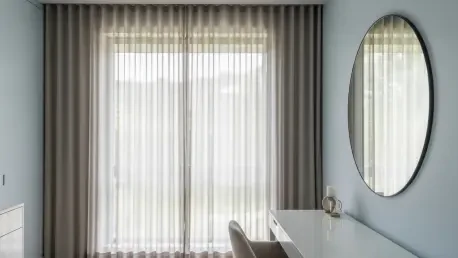
Beyond the application of paint, the strategic placement of secondary reflective elements can simulate the presence of additional windows in areas where structural openings are impossible. A large, well-positioned mirror placed directly opposite a primary light source does more than just reflect an image; it effectively doubles the visual footprint of the incoming sunlight and extends its reach into adjacent hallways or alcoves. This effect can be further enhanced by incorporating furniture and accents with high-shine finishes, such as polished chrome legs, glass-topped coffee tables, or metallic wallpapers with reflective threading. These “jewel box” elements catch stray beams of light and scatter them in multiple directions, creating a dynamic environment where the illumination feels alive and constantly shifting throughout the day. Even the choice of flooring contributes to this systemic brightness; light-colored hardwoods or large, pale area rugs prevent the ground plane from becoming a dark anchor in the room. By ensuring that the floor reflects a portion of the light back upward, the entire volume of the space remains energized, maintaining a consistent level of clarity that supports both productivity and relaxation in every corner of the dwelling.
Strategic Window Management and Exterior Maintenance
Optimizing the entry points for natural light requires a departure from traditional, heavy window dressings that often prioritize privacy at the absolute expense of brightness. Many homeowners inadvertently choke off their primary light sources by using thick, opaque curtains that cover a significant portion of the glass even when drawn open. A professional solution to this common oversight involves mounting drapery hardware higher and wider than the actual window frame, a technique that allows the fabric to rest against the wall rather than the glass. This simple adjustment maximizes the “light real estate” of the window, ensuring that the entire pane is unobstructed during daylight hours. To balance the need for seclusion with the desire for illumination, light-filtering sheers or Roman shades made from linen or perforated materials offer an ideal compromise. These fabrics soften harsh, direct rays into a pleasant, diffused glow that fills the room without the glare. Additionally, the adoption of top-down/bottom-up cellular shades provides a modern functional advantage, allowing light to stream in through the upper portion of the window while maintaining a visual barrier at eye level to ensure the home remains a private sanctuary.
The journey of light into a home begins long before it hits the glass, making the condition of the exterior environment a critical factor in interior brightness. Dense foliage, overgrown tree limbs, and unmanaged shrubbery can act as unintended shutters, casting deep, stagnant shadows over windows and preventing sunlight from reaching the facade. Regular maintenance of the property’s landscaping is essential to clear these “light paths,” ensuring that the sun has a direct line of sight to the home’s openings throughout the seasons. This exterior focus should also extend to the cleanliness of the windows themselves, as a thin accumulation of pollen, dust, or environmental pollutants can significantly diffuse and dim incoming light. A consistent schedule for cleaning both the interior and exterior glass surfaces removes these microscopic barriers, immediately increasing the clarity and intensity of the natural light that enters the home. When combined with thoughtful window treatments, this proactive approach to environmental management ensures that the home is always positioned to receive the maximum amount of available solar energy, regardless of the time of year or the specific orientation of the building.
Engineering Spatial Flow for Unobstructed Illumination
The physical layout of a home and the density of its furnishings dictate the ultimate success of any natural lighting strategy, as light must be able to move freely to be effective. Bulky, high-backed sofas or oversized armoires placed in the direct path of a window act as massive obstacles, creating stagnant pools of shadow behind them and making a room feel fragmented. To counteract this, selecting low-profile furniture with open silhouettes—such as chairs with tapered legs or sofas with lower backrests—allows light to pass over and under the pieces, reaching deeper into the interior. This focus on “airy” furniture design maintains clear sightlines to the outdoors, which psychologically connects the occupants to the wider environment and reinforces the perception of a bright, open space. By keeping the area immediately surrounding windows clear of clutter and heavy objects, the light is allowed to spill across the floor and walls in a continuous sheet, which naturally draws the eye toward the light source and makes the room feel more inviting. This deliberate arrangement of the interior landscape ensures that the sunlight is not just present but is effectively utilized to define the character of the room.
Achieving a perfectly illuminated home ultimately involves a disciplined approach to minimalism and the reduction of visual noise that can distract from the natural beauty of daylight. Every unnecessary object in a room represents a potential source of shadow and a disruption to the smooth flow of light across surfaces. By embracing a more streamlined aesthetic and ensuring that horizontal surfaces like countertops and tables remain uncluttered, the reflective properties of the home’s materials are allowed to perform at their peak. This lack of obstruction enables light to wash over the interior with a consistency that feels architectural in its precision, highlighting the textures and colors of the design without the interference of jagged, dark silhouettes. The final result is a living environment where the architecture, the furniture, and the natural world exist in a state of harmonious balance. Moving forward, homeowners should view light as a fluid resource that must be guided and nurtured through intentional choices. By maintaining clear pathways both inside and outside the home, and by choosing materials that celebrate rather than suppress the sun’s energy, it is possible to create a sustainable, light-filled sanctuary that enhances every aspect of daily life.