
After years of living within the clean but often impersonal confines of minimalism, a collective desire for homes with soul, character, and a deep sense of personal history has firmly taken root. This burgeoning movement, celebrated by designers as “Modern Heritage,” signals a definitive turn away from mass-produced, uniform interiors and toward spaces that are thoughtfully collected and rich with narrative. The style champions an artful blend of past and present, creating environments that feel both grounded in history and perfectly suited for contemporary life. More than just a fleeting aesthetic, industry experts assert that this approach reflects a lasting shift in how we want to live, prioritizing authenticity, craftsmanship, and the unique story that only a well-loved home can tell. It is a design philosophy that empowers individuals to curate spaces that are not just decorated, but are a true extension of their identity and experiences.
What Defines Modern Heritage
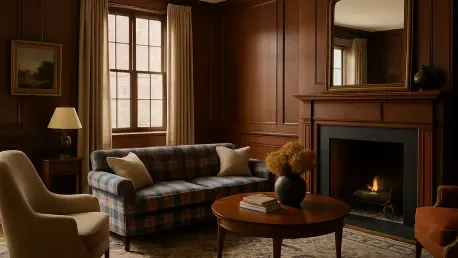
At its heart, Modern Heritage is a design philosophy centered on achieving a harmonious “balance of preservation and play,” a concept articulated by designers Barry and Jordan of The Brownstone Boys. The approach involves carefully honoring a home’s historical or architectural integrity while seamlessly adapting it for the practicalities and comforts of today. This is not about creating a museum-like replica of a bygone era, but rather about letting the architectural soul of a space serve as the foundation for modern living. The style is characterized by a strong emphasis on natural and authentic materials, such as solid wood, exposed brick, and natural stone, which lend a sense of permanence and texture. Central to its dynamic appeal is the masterful juxtaposition of old and new; imagine an ornate antique light fixture casting a glow on playful, contemporary wallpaper, or restored original woodwork providing a rich backdrop for a sleek, modern sofa. This layering of eras is what gives these interiors their collected, soulful quality.
Further defining the style is its sophisticated yet flexible approach to color and its deep commitment to personalization. While the foundational palette often leans toward calming, muted tones that allow key pieces to stand out, Modern Heritage is far from timid. It encourages the confident use of rich, unexpected hues like deep moss green or warm oxblood to introduce depth and character, making a space feel truly lived-in. Designer Maryline Damour notes that this trend empowers homeowners to create a home that is uniquely their own, telling a personal story through their choices. This movement is bolstered by the rise of independent makers producing unique furniture, ceramics, and lighting, offering alternatives to mass-market goods. By incorporating these one-of-a-kind items alongside family heirlooms and contemporary finds, individuals can cultivate a living environment that reflects a deep and authentic connection to their own history and tastes.
The Rise of a Timeless Trend
The surging popularity of Modern Heritage can be seen as a direct and thoughtful response to the prevailing design trends of recent years. Following a prolonged period dominated by stark minimalism and “one-look” interiors that often felt impersonal and generic, there is a palpable craving for spaces that celebrate imperfection, craftsmanship, and history. This aesthetic aligns with a broader American fascination with retro designs and the comforting nostalgia of “grandmacore,” both of which romanticize the warmth and stories embedded in older objects. The emotional connection is a key driver of this trend. It allows individuals to curate environments that feel “rooted in history but lived for today,” resulting in designs that are not only deeply personal but also possess an enduring, timeless quality that transcends fleeting fads. The focus shifts from pursuing an unattainable ideal of perfection to embracing the beauty of a home that evolves with its inhabitants.
While the principle of blending historical and contemporary elements has been a hallmark of sophisticated design for decades, its current ascendancy is fueled by a significant new factor: democratization. As designer Betty Ann Gilrain points out, the style itself has “always been in style,” but the transformative change lies in its newfound accessibility. The proliferation of online marketplaces such as 1st Dibs, Chairish, Etsy, and even Facebook Marketplace has made it easier than ever for the average homeowner to source the unique vintage and antique pieces essential for achieving this look. What was once the domain of seasoned collectors and professional designers is now available to anyone with a discerning eye and a bit of patience. This digital access has effectively broken down previous barriers, empowering a much wider audience to participate in creating layered, story-rich interiors and fueling the style’s rapid growth from a niche approach to a mainstream movement.
How to Bring Modern Heritage Home
For homeowners eager to embrace this trend, designers offer a series of clear, actionable strategies. The first step is to identify and protect the original architectural elements of a home, whether it be intricate trim, charming vintage tile, or classic moldings. These features “tell your home’s story” and should be treated as the foundational layer upon which the rest of the design is built, rather than being stripped away in favor of something new. From there, the key is to lean into personal history as a design tool. Betty Ann Gilrain shares an anecdote about inheriting her grandmother’s brass lamp, which initially felt out of place. By simply updating it with a modern, “fun, block-print linen pleated shade,” she transformed it into a perfect representation of the Modern Heritage ethos. This illustrates how family heirlooms and cherished items can be thoughtfully integrated and given new life, becoming meaningful focal points that bridge generations within the home.
Successful implementation of the style hinges on creating a balanced and thoughtful dialogue between old and new. The ultimate goal is achieving a sense of harmony, not of perfectly matching every element. This can be accomplished by pairing an antique, hand-carved mirror with a clean, modern light fixture or placing a piece of vintage art above a streamlined, contemporary sofa. While the base palette may be muted, this aesthetic is not afraid of bold expression; designers recommend using “rich, unexpected hues” and statement wallpapers to bring “warmth and depth that make a space feel lived-in, not just decorated.” Finally, sourcing unique pieces from a variety of marketplaces is essential. Platforms like Etsy and Facebook Marketplace are “treasure troves,” though success on these sites requires patience and a willingness to “do some digging.” The reward for this effort is finding those special items that contribute to a truly one-of-a-kind home that reflects the unique identity of those who live there.