
The transformation of seaside residential aesthetics has reached a pivotal juncture where the reliance on literal maritime symbols has been replaced by a rigorous commitment to architectural integrity. For decades, the coastal look was defined by a predictable checklist of navy stripes, anchor motifs, and weathered wood, but current trends favor a more nuanced and sensory-driven approach. This evolution reflects a growing desire for spaces that feel deeply integrated into their natural surroundings without relying on thematic clichés. By focusing on the sophisticated interplay of light, shadow, and organic texture, designers are creating environments that evoke the essence of the shoreline through subtlety. The shift is not merely aesthetic but structural, as homeowners increasingly view these properties as permanent sanctuaries rather than seasonal retreats. This new philosophy emphasizes quality and a deep connection to the organic world, signaling the end of the decorative “beach house” era in favor of a lasting, curated permanence.
Reimagining the Visual Language of Shoreline Interiors
Shifting from Decorative Motifs to Textural Storytelling
The decisive move away from “literal” nautical tropes represents a significant maturation in how seaside living is interpreted within the luxury market. In place of anchors, ropes, and fish motifs, designers are prioritizing storytelling and emotional character through the use of abstract, textural nods to the coast. This approach treats the environment as a canvas for sensory experiences rather than a gallery of themed ornaments. For example, the tactile sensation of a roughly hewn limestone floor or the visual rhythm of hand-applied plaster creates a far more profound connection to the beach than any mass-produced accessory could provide. This transition requires a disciplined editorial eye, ensuring that every element serves a purpose within the broader architectural narrative. The result is a space that feels grounded and personal, reflecting the unique geography of its specific location while maintaining a high-end, contemporary aesthetic that transcends temporary decorative trends.
The integration of recycled materials and reinterpreted natural elements has also become a cornerstone of this refined design language. Designers are now taking traditional coastal materials, such as shells or driftwood, and presenting them with a modern, minimalist focus. Rather than displaying a collection of loose shells in a bowl, a designer might commission a large-scale wall installation that uses thousands of tiny bivalves to create a monochromatic, relief-like texture. This method elevates the material from a hobbyist’s find to a significant piece of art. Furthermore, the use of salvaged timber from local maritime industries is being repurposed into sleek, built-in cabinetry rather than rustic furniture. This commitment to materiality allows the home to tell a story of its environment through the very fabric of its construction, fostering an atmosphere that is both sophisticated and deeply authentic to its geographical context.
Expanding the Palette with Earthy Neutrals and Natural Tones
While the traditional blue-and-white color scheme remains a staple of coastal living, it is undergoing a sophisticated transformation to include warmer and more nuanced tones. Current projects are frequently moving away from bright, stark whites in favor of sand, cream, and taupe, which better reflect the natural coloration of the shoreline at different times of day. Deep navy is still utilized, but it is often balanced with rich, earthy hues that provide a sense of groundedness and warmth. This expanded palette allows for a more complex layering of colors that mimics the natural gradients found in coastal landscapes, from the deep shadows of sea caves to the pale light of a foggy morning. By moving beyond the high-contrast combinations of the past, designers are able to create interiors that feel softer and more inviting, providing a seamless transition between the indoor living spaces and the expansive outdoor views.
These sophisticated color palettes are frequently layered with high-quality wood finishes, specifically walnut and white oak, to add depth and individuality to each room. To further enhance this effect, sophisticated wall treatments such as limewash and Roman clay are being employed to provide a matte, stone-like appearance that interacts beautifully with natural light. The subtle variations in tone and texture provided by these finishes create a sense of movement on the walls, reminiscent of shifting sands or coastal cliffs. When combined with honed stone surfaces and woven linen textiles, the resulting atmosphere is one of elevated minimalism. This layering of materials serves to dampen sound and soften the visual impact of the architecture, ensuring that the home remains a calming sanctuary. This shift toward warmer, more natural tones highlights a broader movement where coastal homes are designed to be comfortable and visually rich throughout every season.
Architectural Integrity and the Modern Coastal Identity
Redefining Structural Elements Through a Modern Lens
The architectural elements of coastal homes are being redefined through a modern lens that emphasizes cleaner lines and tighter detailing over the rustic styles of previous decades. Wood paneling, once associated with the weathered aesthetic of retro surf shacks, has returned as a prominent design feature but with a significant upgrade in craftsmanship. Instead of the heavily bleached or distressed finishes that dominated the past, current trends favor warmer tones and pronounced grains that celebrate the natural beauty of the timber. This paneling is often applied in vertical or horizontal orientations with precise joinery, creating a sense of rhythm and height within the space. This refined application of wood provides a nod to traditional coastal construction while maintaining a contemporary feel. The focus is on the quality of the material and the precision of the installation, ensuring that the architecture remains timeless and durable.
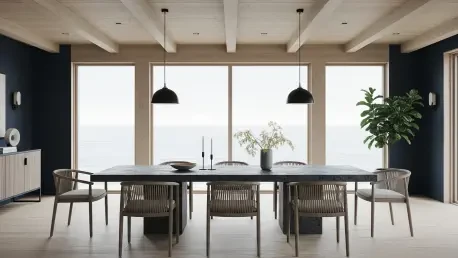
As coastal properties are no longer treated as secondary or seasonal homes, their architectural layouts are being designed with the same level of intention and curation as a primary residence. This involves a shift toward open-plan living that prioritizes the framing of natural views through large, high-performance glazing. Rather than treating windows as mere portals to the outside, they are now integrated into the structural design as intentional frames for the landscape. This approach ensures that the environment becomes a living part of the interior experience. Additionally, the inclusion of dedicated spaces for sophisticated art collections and integrated technology demonstrates that these homes are built for year-round living. The transition to a “main house” feel means that the materials chosen must be both luxurious and resilient, capable of withstanding the harsh coastal elements while providing a refined backdrop for a modern, high-end lifestyle.
Integrating Sustainable Materials and Curated Aesthetics
The move toward an elevated coastal aesthetic also incorporates a strong emphasis on sustainability and the longevity of materials. Homeowners and designers are increasingly selecting finishes that are not only beautiful but also environmentally responsible and durable enough to last for decades. This includes the use of reclaimed stone, sustainably sourced timbers, and low-VOC finishes that contribute to a healthier indoor environment. The focus is on quality over quantity, with a preference for fewer, more impactful pieces of furniture and art. This curated approach ensures that each item within the home has a clear purpose and adds to the overall narrative of the space. By avoiding the clutter of temporary trends and mass-produced decor, the modern coastal home achieves a sense of peace and clarity that is both modern and timeless. This commitment to excellence ensures that the property remains a valuable and cherished asset.
To successfully implement these evolving design principles, homeowners should focus on a few key strategic steps. First, the removal of any overt, theme-driven decorations is essential to clear the visual palette. Replacing these items with pieces that emphasize texture—such as a large-scale woven wall hanging or a centerpiece made of honed volcanic rock—will immediately elevate the space. Second, investing in high-quality architectural finishes like plaster or limewash can provide the necessary depth to make walls feel substantial rather than flat. Third, prioritizing the connection to the outdoors by keeping window treatments minimal and choosing furniture that does not obstruct the view will enhance the home’s relationship with its environment. Finally, selecting a color palette that draws from the specific local landscape will ensure the interior feels authentic. These actions will transform a standard beach house into a sophisticated coastal residence defined by its architectural integrity.
The evolution of coastal design was marked by a departure from cliché-heavy aesthetics toward a more disciplined and architectural approach. Designers and homeowners recognized that true seaside luxury was not found in literal symbols but in the careful curation of materials and the celebration of natural light. By embracing a warmer palette, sophisticated textures, and modern structural elements, the industry moved away from the “beach house” trope and toward a more permanent, primary-residence feel. This shift encouraged a deeper connection to the environment, where the architecture served to frame and enhance the natural world rather than compete with it. Moving forward, the focus remained on the intersection of sustainability and high-end craftsmanship, ensuring that these homes remained relevant and resilient. The legacy of this period was a refined standard for coastal living that prioritized quality, emotion, and architectural honesty over temporary decorative trends.